
Propagation
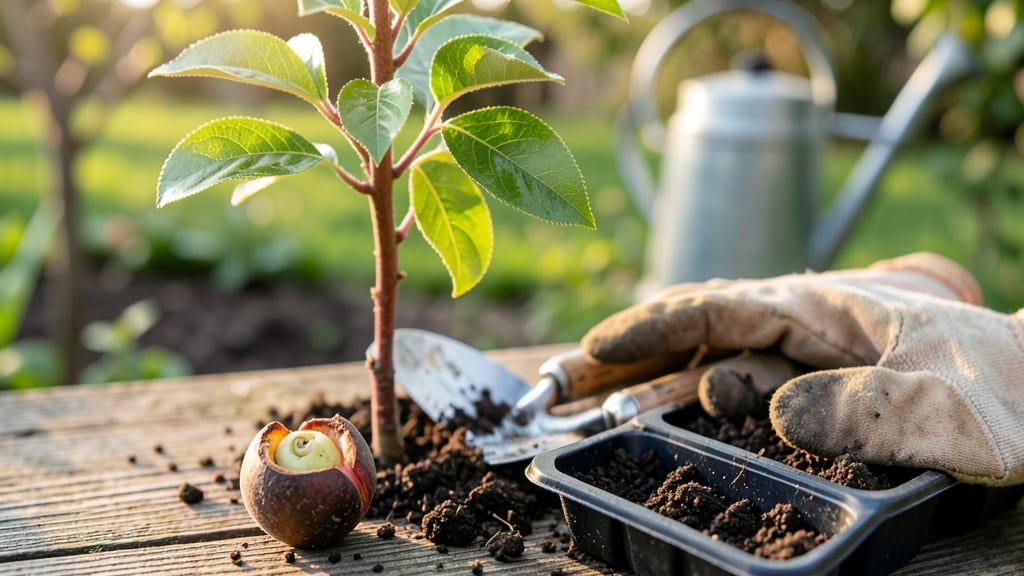
Planting peach seeds from fruit means waiting years for a tree that might not even bear the fruit you love. 🌱 I’ve tried this three times—once with a stubborn seed that took 18 months to crack, and another that finally sprouted after I gave up hope.
The payoff? A tree with wild, unpredictable fruit that could be tart, fuzzy, or downright inedible. But the process itself is fascinating, and with the right tricks, you can boost those odds.
The secret lies in mimicking winter’s work: breaking the seed’s tough coat (scarification) and tricking it into thinking it’s been through a cold snap (stratification). Most people skip these steps and wonder why their seeds never sprout.
Start with fresh, fleshy peaches—avoid those that’ve dried out—and save the pits before they ferment. A paper towel sandwich in the fridge for 4-6 weeks does the stratification magic, while a quick sandpaper rub handles scarification in seconds.
Once planted in a 50/50 mix of potting soil and perlite, keep the soil damp (not soggy) and patient. Germination can take 3-12 months, and many seeds simply refuse to play along.
But when those first pale green leaves push through, you’ll know you’ve earned this wild, unpredictable tree. The fruit might not taste like your favorite peach—but the journey? That’s the real reward.
Fair warning: This isn’t a fast-track to backyard orchards. Peach seeds are finicky, and even with perfect care, only 10-20% might germinate. But if you’re willing to wait, you’ll grow a tree with its own quirks—maybe even a surprise heirloom trait hidden in its genes.
Here’s how to give those seeds their best shot.
📚 In This Guide
- What you need
- Instructions
- Tips and common mistakes
- Wrapping up and next steps
What you need
- ● Fresh peach pit – 1 (from a ripe, organic peach; avoid treated or store-bought fruit if possible).
- ● Paper towels or damp cloth – 1–2 sheets (for cold stratification).
- ● Plastic bag or airtight container – 1 (to hold the damp pit).
- ● Small pots or seed trays – 2–3 (4–6 inches deep, with drainage holes).
- ● High-quality potting mix – 1 bag (lightweight, well-draining blend for seedlings).
- ● Spray bottle – 1 (for gentle watering).
- ● Plastic wrap or humidity dome – 1 (to retain moisture).
- ● Grow lights or sunny windowsill – 1 (6+ hours of indirect light daily).
- ● Seedling heat mat – 1 (speeds up germination in cool climates).
- ● Fertilizer (balanced, low-nitrogen) – 1 (diluted to half-strength for young seedlings).
- ● Garden labels – 2–3 (to track planting dates).
- ● Pruning shears – 1 (for transplanting or trimming later).
- ● Outdoor space or greenhouse – 1 (for transplanting after germination).
Step-by-step instructions for planting peach seeds from fruit
Here's the straightforward method I've used to coax peach seeds into seedlings—no fancy equipment, just patience and the right timing.
🌱 Step 1: Extract, Clean, and Stratify the Seeds
Start with fresh peach pits—never dried or store-bought. Cut open the fruit, scoop out the seed, and rinse it thoroughly under running water to remove all flesh. The sticky residue can rot the seed if left behind. Let the pit dry completely for 24 hours to prevent mold.
Place the cleaned pit in a plastic bag with a damp paper towel. Seal it loosely and refrigerate for 8-12 weeks. This cold stratification mimics winter and breaks the seed's dormancy. Check the towel monthly—if it dries out, mist it lightly. You'll know stratification worked when the seed cracks open slightly or sprouts a tiny root.
💧 Step 2: Prepare the Germination Container
Fill a small pot—4-6 inches deep—with a mix of 50% potting soil and 50% perlite. The perlite ensures good drainage, which peach seeds hate when soggy. Moisten the mix until it's damp but not dripping. Tap the pot gently to settle the soil without compacting it.
Make a hole 1 inch deep in the center using your finger. Drop the stratified seed in, root-side down if you can tell, and cover it with ½ inch of soil. Water lightly until the surface feels evenly moist. Place the pot in a warm spot—70-75°F—like on top of the fridge or near a sunny window.
☀️ Step 3: Monitor for Sprouting and Provide Care
Germination takes 4-12 weeks, so patience is key. Keep the soil consistently moist—water when the top inch feels dry—but never let it sit in water. You'll see the first sign of life when a tiny shoot pushes through the soil. Once the seedling reaches 2-3 inches tall, move it to a brighter spot with 6+ hours of indirect light daily.
Peach seedlings grow slowly at first. When the first true leaves appear—those are the second set after the initial seed leaves—you can fertilize lightly with a half-strength balanced fertilizer. Watch for leggy growth; if the stem stretches too tall, it's reaching for light. Adjust the pot closer to the window or add a grow light.
🪴 Step 4: Transplant and Harden Off Seedlings
After 6-8 weeks of growth, when the seedling has 4-6 true leaves and a sturdy stem, it's ready for its first transplant. Choose a 6-inch pot with drainage holes and fill it with fresh potting soil. Dig a hole twice as wide as the seedling's root ball, place it in, and firm the soil gently around the base.
Hardening off begins 2 weeks before you plan to move it outdoors. Start by placing the pot outside in a sheltered spot for 1 hour daily, gradually increasing time over 10 days. By the end, the seedling should handle a full day outside. Peach trees are cold-sensitive, so wait until after the last frost and choose a spot with full sun and protection from strong winds.
Tips & tricks for perfect peach seed germination
Patience pays off when growing peach trees from seed—here's how to avoid common pitfalls and boost your success rate.
Seed Selection: Always choose pits from fully ripe, organic peaches when possible. The flesh should come away easily, leaving a clean pit. I've found that pits from heirloom varieties often germinate more reliably than those from store-bought fruit. If you're using multiple pits, label them with the peach variety and date to track progress.
Stratification Secret: The 8-12 week cold period is non-negotiable for breaking dormancy, but here's what nobody tells you—some seeds need slightly longer. If you notice your seed hasn't cracked after 12 weeks, give it another 2 weeks in the fridge. I've had seeds take up to 16 weeks to show signs of life, but they eventually sprouted successfully.
Container Prep: When mixing your soil-perlite combination, don't skimp on the perlite. The 50/50 ratio is crucial—too much soil can lead to soggy conditions that peach seeds despise. I like to add a handful of coarse sand to the mix for even better drainage. Also, make sure your pot has drainage holes or place it on a tray with pebbles to prevent waterlogging.
Light Management: Once your seedling reaches 2-3 inches, don't rush to move it to direct sunlight. Start with 6 hours of indirect light and gradually increase exposure over 3-4 days. I've seen seedlings get sunburned when moved too quickly to full sun. A south-facing window with sheer curtains works perfectly for the first few weeks.
Pro Tips for Planting Peach Seeds From Fruit
- Patience pays off when growing peach trees from seed—here's how to avoid common pitfalls and boost your success rate.
- Seed Selection: Always choose pits from fully ripe, organic peaches when possible.
- Stratification Secret: The 8-12 week cold period is non-negotiable for breaking dormancy, but here's what nobody tells you—some seeds need slightly longer.
Frequently asked questions
Got questions about growing peaches from seeds? You’re not alone—this process has its quirks! Here are answers to the most common queries to help you navigate seed planting like a pro.
How long does it take for peach seeds to germinate?
Peach seeds can take anywhere from 2 to 6 weeks to sprout, depending on temperature and moisture. Cold stratification (replicating winter) speeds this up—place seeds in a damp paper towel in the fridge for 6–8 weeks before planting. Patience is key!
Do I need to stratify peach seeds?
Yes! Stratification mimics winter conditions, breaking seed dormancy. Soak seeds in water for 24 hours, then place them in a damp paper towel or sand in a sealed bag in the fridge for 6–8 weeks. Skip this step, and germination may take months—or fail entirely.
Can I plant peach pits directly in the ground?
Technically yes, but success rates drop dramatically. Pits planted outdoors often rot or sprout unevenly due to poor moisture control. For best results, start seeds indoors in pots with well-draining soil, then transplant seedlings after they’ve hardened off.
Will a peach tree grown from seed taste like the parent fruit?
Probably not! Seed-grown trees are unpredictable—they may produce small, tart, or even inedible fruit. For consistent flavor, graft peach varieties onto rootstock. If you’re experimenting, embrace the adventure!
What do I do if my peach seed moldy or smells bad?
Discard it immediately! Mold or a foul odor signals rot. To prevent this, use sterilized soil, avoid overwatering, and ensure pots have drainage holes. If seeds feel mushy or discolored before planting, toss them and try fresh ones.
What’s the ideal temperature for germinating peach seeds?
Aim for 70–80°F (21–27°C) during the day and slightly cooler at night. Use a seedling heat mat if your home runs cold. After sprouting, keep seedlings in bright, indirect light until they’re ready for transplant.
Wrapping up and next steps
Growing peach trees from seeds is a rewarding journey that blends patience with the joy of nurturing life!
While it may take time for your seedling to bear fruit, every step—from seed selection to transplantation—teaches you the art of gardening. Celebrate your progress and remember: even if your first tree doesn’t produce perfect peaches, you’re cultivating skills (and maybe a future orchard!). 🌱
Ready to take the next step? Experiment with other stone fruit seeds like plums or apricots, or research grafting techniques to speed up fruit production. Your green thumb is growing—keep planting!