
Trees
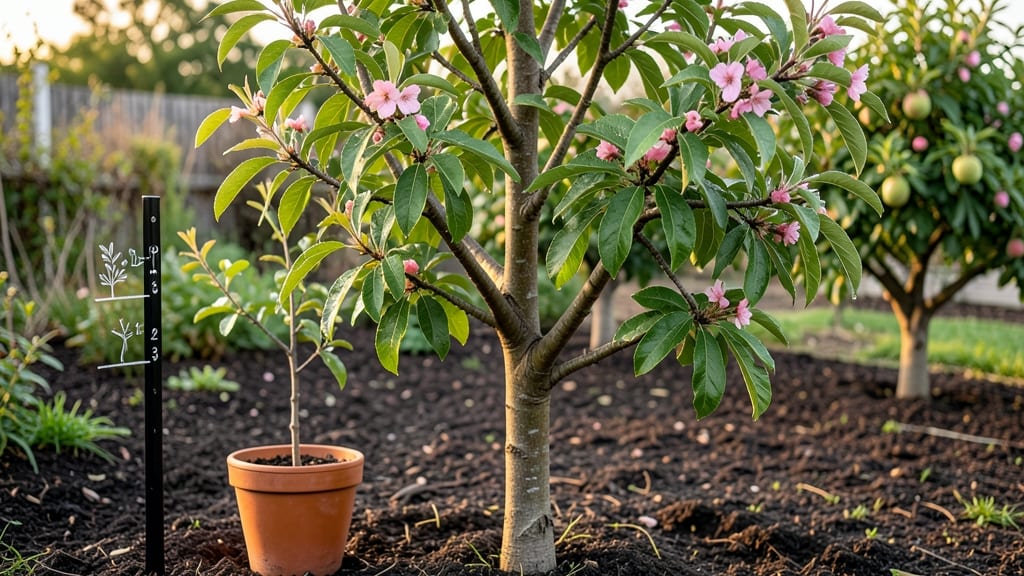
Peach trees take between 2 and 6 years to produce fruit, depending on the variety and growing conditions 🍑—but the wait can feel endless when you're dreaming of that first harvest.
If you've ever planted a peach tree and stared at its branches wondering, "When will I finally get a peach?" you're not alone. The truth is, patience is key, but the right variety, chill hours, and care can shave years off that timeline.
Dwarf varieties often bear fruit in as little as 2-3 years, while standard trees may take 4-7 years. The difference comes down to chill hours—most peaches need 300-900 hours below 45°F to set fruit, which is why climate matters so much.
In this guide, I’ll break down the exact timelines by variety, how to choose the fastest-bearing trees for your zone, and the 5 care tips that can accelerate your first harvest without sacrificing quality.
Peach tree fruit production timeline: years to first harvest by variety
If you're eager to enjoy homegrown peaches, patience is key—but knowing your peach tree's timeline helps manage expectations. Most varieties take 2 to 6 years to produce fruit, with early-bearing types like 'Redhaven' or 'Elberta' often fruiting in just 2-3 years.
Late-maturing varieties, such as 'Loring' or 'Contender', may take 4-6 years before bearing significant harvests.
Dwarf varieties, like 'Bonanza' or 'Suncrest', are the fastest producers, often yielding fruit in 2-3 years due to their accelerated growth rates. These compact trees are ideal for small gardens or containers, making them perfect for impatient gardeners.
However, their smaller size means lower overall yields compared to standard trees.
The tree's maturity also depends on your climate zone. In warmer regions (USDA Zones 7-9), trees may fruit earlier, while colder zones (Zones 5-6) often see delayed fruiting due to chill hour requirements. For example, 'Redhaven' thrives in Zones 5-9 but needs 500-700 chill hours to fruit reliably.
Here’s a quick breakdown of how long common peach varieties take to produce fruit, along with their ideal growing conditions:
| Variety | Years to First Fruit | Chill Hours Needed | Mature Height | Best For |
|---|---|---|---|---|
| Redhaven | 2-3 years | 500-700 | 12-16 ft | Fresh eating, canning |
| Elberta | 3-4 years | 400-600 | 15-20 ft | Large fruit, storage |
| Bonanza (Dwarf) | 2-3 years | 300-500 | 8-12 ft | Small gardens, containers |
| Loring | 4-5 years | 600-900 | 12-15 ft | Cold climates, late harvest |
| Contender | 4-6 years | 500-700 | 15-20 ft | Fresh market, long storage |
| Suncrest (Dwarf) | 2-3 years | 400-600 | 8-10 ft | Urban gardens, early fruit |
When selecting a variety, prioritize those with chill hour requirements that match your region. For example, if you live in Zone 7 with 600 chill hours, 'Redhaven' or 'Elberta' are excellent choices.
In Zone 9, where chill hours are lower, opt for varieties like 'Bonanza' or 'Suncrest', which thrive with fewer chill hours.
Even fast-producing varieties may take 1-2 years to establish strong root systems before flowering. During this time, focus on proper care, including regular watering, balanced fertilization, and pruning
How chill hours affect peach tree maturity and fruit production speed
Peach trees need a specific amount of cold exposure—called chill hours—to trigger blossoming and fruit production. Without enough winter chill, your tree might bloom late, produce poor fruit, or even fail to fruit at all.
Most peach varieties require between 300 and 900 chill hours, depending on the type. This cold period breaks dormancy, setting the stage for a successful growing season.
If you live in a warm climate with fewer chill hours, selecting the wrong variety could mean waiting years for fruit—or never getting peaches at all. For example, Elberta needs 800-900 chill hours, while Redhaven thrives with just 400-500 hours.
Matching your climate to the right variety is key to faster fruit production.
🔍 How to check your chill hours: Use the USDA Plant Hardiness Zone Map and local weather data (check sites like NOAA or Almanac.com).
Most regions in USDA Zones 5-8 get enough chill hours for standard peach varieties, but Zone 9+ may need low-chill cultivars like Tropic Beauty or Flordagold.
Choosing a variety with chill hours matching your region can cut fruit production time by up to 50%. For instance, in Zone 9, planting Tropic Snow (400 chill hours) will yield fruit in 2-3 years, while Elberta might never fruit.
Always verify a variety’s chill hour range before buying.
Even with the right chill hours, young peach trees need 3-5 years to mature enough for heavy fruit production. During this time, focus on pruning for structure, balanced fertilization, and consistent watering to encourage strong growth.
Avoid heavy fruiting in the first 2 years, as it can stress the tree.
If your region has insufficient chill hours, consider these workarounds: plant in a cooler microclimate, use artificial chilling methods (like refrigeration for young trees), or opt for low-chill hybrids designed for warm climates. Patience and the right variety are your best tools for faster peach harvests!
☀️