
Trees
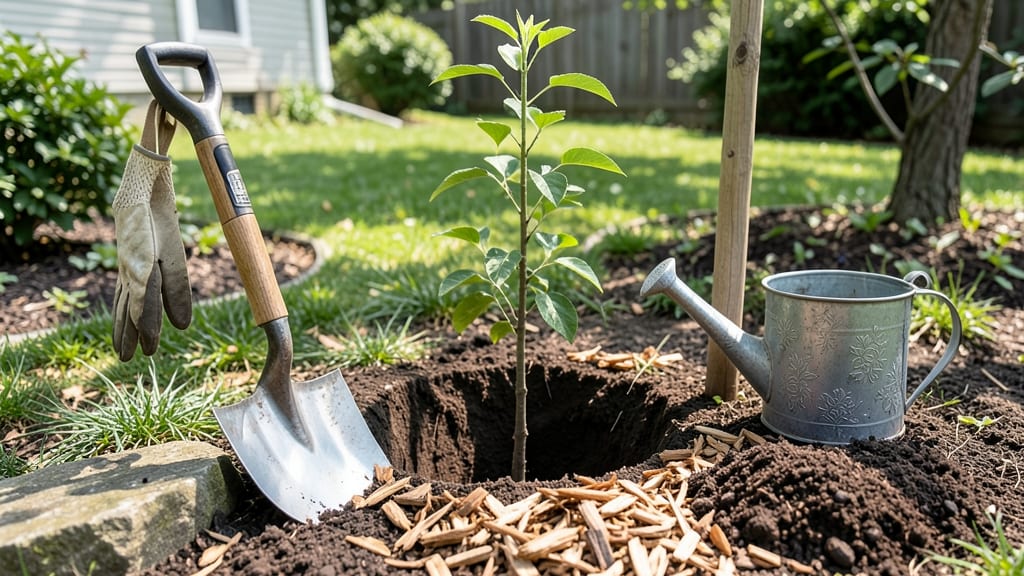
Planting fruit trees 🍎 in Zone 6 at the right time means the difference between a thriving orchard and a sad, stunted sapling.
Zone 6 gardeners know timing is everything—plant fruit trees too early, and frost will stunt their growth; too late, and they’ll struggle to establish roots before winter. But with the right schedule, you can ensure your apple, peach, or cherry trees thrive from their first season.
Most fruit trees in Zone 6 do best when planted in either early spring (March to early April) or fall (September to October), giving roots time to settle before extreme temperatures. The key is avoiding the last frost date—mid-April—and ensuring the ground isn’t frozen.
Below, I break down the exact months for each variety, soil prep secrets, and how to care for your trees so they grow strong and productive for years to come.
Best planting months for fruit trees in Zone 6 by variety
Zone 6 gardeners face a critical decision: plant fruit trees in early spring when roots wake up or fall when soil stays warm but before frost. The difference between these timings can mean the gap between a thriving orchard and a struggling sapling.
For deciduous trees like apples, peaches, and pears, both seasons work—but evergreens like citrus and figs demand precise timing to survive Zone 6’s harsh winters.
Spring planting (March–early April) gives trees 6–8 weeks of root growth before summer heat, while fall planting (September–October) lets roots establish in 60°F soil before dormancy. Evergreens, however, must go in late spring after last frost to avoid winter damage.
Let’s break down the exact months for each variety to maximize survival and fruit production.
For deciduous fruit trees like apples and pears, fall planting is ideal because cooler soil reduces transplant shock and roots grow slowly but steadily until dormancy. Aim to plant 4–6 weeks before first frost (typically mid-October in Zone 6).
Spring planting, however, gives you more flexibility—just ensure the ground isn’t frozen and soil temps stay above 45°F.
Peaches and cherries are more finicky. Peaches need warmer soil (50–60°F) to avoid root rot, making early April the safest spring window. Cherries, on the other hand, should never be planted in fall—their roots can’t handle Zone 6’s winter freeze-thaw cycles. Stick to early April for these varieties.
Evergreens like citrus and figs are the trickiest in Zone 6. Since they can’t tolerate frost, your only option is late spring planting (May–June) after the last frost date. For citrus, use large containers and move them indoors or under a hoop house in winter.
Figs are hardier but still need shelter from winds and mulch to insulate roots.
Pro tip: Check soil temperature with a thermometer before planting—roots won’t grow in cold soil, even if air temps are warm. For bare-root trees, soak roots for 2–4 hours before planting to reduce shock.
If you’re unsure about your last frost date, use Zone 6’s average of mid-April as your guide.
Remember, dwarf varieties establish faster than standard trees, so they’re a great choice for Zone 6’s shorter growing season. Plant them 2–3 inches deeper than their container level to encourage stability. After planting, water deeply once a week for the first month
How to prepare Zone 6 soil and roots for fall vs. spring planting
Zone 6’s short growing season means soil prep and root care can make or break your fruit tree’s success. Whether planting in fall (September-October) or spring (March-April), your focus should be on creating an environment where roots can establish quickly.
In fall, trees benefit from cooler temps and natural dormancy, while spring planting gives them a head start before summer heat arrives.
Both seasons require well-draining soil with a pH of 6.0-7.0, but the timing of amendments differs. Fall planting lets you work with the soil’s natural cooling process, while spring demands faster nutrient uptake. Let’s break down the seasonal adjustments to maximize your tree’s survival and growth potential.
⚠️ Critical Fall Planting Warning for Zone 6
Never plant after mid-October—roots need 6-8 weeks to establish before first frost (mid-October). Late fall planting risks root freeze or dormancy disruption. If soil temps drop below 40°F (4°C), roots can’t absorb water, leading to desiccation.
Spring planting tip: Wait until soil temps reach 50°F (10°C)—usually late March to early April—to avoid root rot from cold, wet soil.
For fall planting, start by testing your soil’s drainage and pH. Zone 6’s clay-heavy soils often compact, so mix in 2-3 inches of compost and sand or perlite to improve aeration.
A mycorrhizal fungi inoculant can also boost root growth during the dormant season. Aim to plant 4-6 weeks before frost to give roots time to harden off.
Spring prep differs slightly—focus on fast-acting nutrients like fish emulsion or blood meal to kickstart growth. Work in aged manure or worm castings to feed soil microbes, which break down organic matter quickly.
Avoid fresh manure, which can burn roots in warm spring soil. Mulch with wood chips to retain moisture and regulate soil temps.
Root care is equally critical. For bare-root trees, soak roots in water for 1-2 hours before planting to rehydrate them. If planting container-grown trees, gently tease roots at the edges to encourage outward growth.
Both methods help roots adapt faster to Zone 6’s variable moisture levels. After planting, water deeply and stake only if necessary—over-staking can restrict root expansion.
Seasonal adjustments matter most for peach and cherry trees, which are more frost-sensitive.
In fall, plant them on the north side of structures for winter protection, while spring planting benefits from south-facing exposure to warm up faster. Apple trees, with deeper roots, tolerate both seasons well but thrive with deep soil amendments like composted leaves to improve subsoil structure.
Monitor soil moisture closely—Zone 6’s dry springs and wet falls can stress young roots. Use a soil moisture meter to check depth (aim for 12-18 inches of consistent moisture).
In fall, reduce watering as temps drop, but keep soil from drying out completely. Spring calls for regular deep watering to prevent transplant shock during rapid growth.