
Pruning
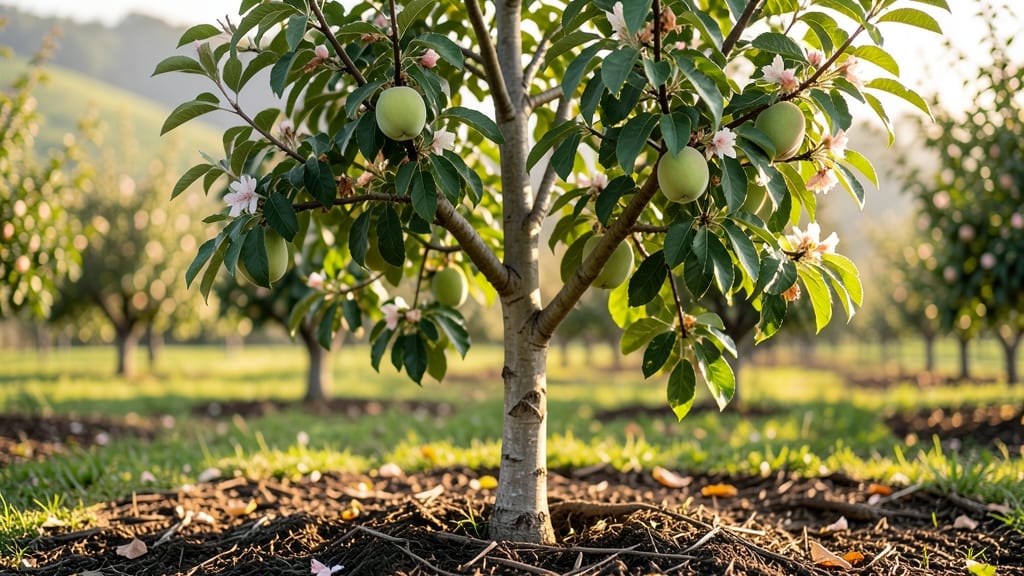
Green peach fruit on your 🍑 tree isn’t just a cosmetic issue—it’s a sign your tree needs help to produce the sweet, ripe fruit you’re waiting for.
Picture this: you’ve planted your peach tree in Zone 6, given it the right care, and now you’re staring at a branch full of green peaches instead of the juicy, ripe ones you imagined.
The good news? This problem has clear causes—and even clearer, natural fixes that don’t involve chemicals.
Whether it’s a nutrient deficiency, too much shade, or even pests like peach tree borers, we’ll break down what’s really going on and how to turn those green peaches into the golden treats they’re meant to be.
From adjusting your pruning routine to the right fertilization schedule, you’ll learn exactly what to do to bring back that harvest-time excitement by next season.
Common causes of green peach fruit and how to identify them
When your peach tree produces green fruit instead of the vibrant colors you expect, it’s often a sign your tree is struggling. The good news? This issue almost always stems from correctable problems—whether it’s nutrient deficiencies, environmental stress, or pest/disease pressure.
Identifying the root cause early can save your harvest and improve your tree’s health long-term.
Peaches typically turn from green to their mature color (yellow, white, or red) as they ripen, thanks to sunlight exposure and proper fruit development. If they stay green, it’s your tree’s way of signaling something’s off.
Let’s break down the most common culprits and how to spot them before they ruin your season.
| Cause | Visual Clues | Tree Symptoms | Solution Path |
|---|---|---|---|
| Nitrogen Deficiency | Fruit remains uniformly green with no color change; small, hard peaches | Yellowing leaves (older leaves first), stunted growth, sparse foliage | Apply balanced fertilizer (10-10-10) in spring; add compost to soil |
| Magnesium Deficiency | Green fruit with interveinal yellowing (veins stay green); peaches may crack | Yellow patches between leaf veins; curled or brittle leaves | Apply Epsom salt (1 tbsp/gallon water) every 2 weeks; improve soil drainage |
| Insufficient Sunlight | Fruit stays pale green or fails to color; small, uneven peaches | Leggy growth, sparse canopy, weak branches | Prune to open canopy; relocate tree to full sun (6+ hours/day) |
| Water Stress | Fruit remains hard and green; may drop prematurely | Wilting leaves, dry soil, leaf scorch (brown edges) | Deep-water weekly (10-15 gallons/tree); mulch to retain moisture |
| Peach Tree Borer | Fruit stays green and deformed; may have sawdust-like frass near base | Holes in trunk/branches; oozing sap; wilting branches | Apply beneficial nematodes or neem oil; prune infested branches |
| Brown Rot | Fruit turns green with brown mold; may rot prematurely | Dark spots on leaves/fruit; infected blossoms | Remove infected fruit/leaves; spray copper fungicide at bloom |
One of the first steps in diagnosing green peach fruit is examining the fruit’s texture and color. For example, if your peaches are uniformly green with no color change, it’s likely a nutrient deficiency like nitrogen or magnesium.
Check the leaves—yellowing between veins often signals magnesium issues, while overall pale leaves suggest nitrogen.
Environmental factors like shade or temperature fluctuations can also stall ripening. If your tree is in a spot that gets less than 6 hours of sunlight, the fruit won’t develop its signature color. Look for leggy growth or
Natural fixes for green peach fruit: step-by-step solutions
Green peach fruit is often a sign your tree needs a little extra care to reach its full potential. The good news? Most issues can be resolved with organic methods that boost fruit color and sweetness naturally.
Let’s tackle this step by step, starting with the soil and nutrients your peach tree craves.
Peach trees thrive when their soil is rich in organic matter and balanced in nutrients. If your fruit stays green, it might be due to magnesium deficiency (common in sandy soils) or nitrogen imbalance.
The fix? A two-pronged approach: soil amendments and targeted pruning to improve airflow and sunlight exposure.
Step-by-Step Solutions for Green Peach Fruit
-
Step 1: Test and Amend Your Soil
Use a soil test kit to check pH and nutrient levels. Peach trees prefer pH 6.0–7.0. If magnesium is low, apply 1 tablespoon of Epsom salt per gallon of water every 2 weeks during fruit development.
-
Step 2: Apply Compost or Organic Fertilizer
Spread 2–3 inches of compost around the tree’s drip line in early spring. For a quick boost, use a balanced organic fertilizer (like 10-10-10) every 4–6 weeks during growing season.
-
Step 3: Prune for Better Sunlight and Airflow
Remove dead, crossing, or overcrowded branches to improve sunlight penetration. Focus on the inner canopy where fruit often stays green due to shade. Prune in late winter or early spring before new growth begins.
-
Step 4: Control Pests Naturally
Pests like peach tree borers or aphids can stress the tree, leading to poor fruit color. Spray with neem oil (mix 1 tbsp per gallon of water) or introduce beneficial insects like ladybugs to keep pests in check.
-
Step 5: Ensure Proper Watering
Water deeply once a week (10–15 gallons per tree) to encourage strong root growth. Avoid wetting the foliage to prevent fungal diseases like brown rot, which can also cause green fruit.
-
Step 6: Monitor for Diseases
Check for leaf spots or powdery mildew, which can hinder fruit ripening. Remove infected leaves and apply a baking soda spray (1 tbsp baking soda + 1 quart water + a drop of dish soap) for prevention.
-
Step 7: Thin Fruit for Better Ripening
Overloaded branches can’t ripen fruit properly. Thin fruit to 6–8 inches apart when they’re golf-ball sized to ensure the remaining peaches get enough nutrients and sunlight.
With these organic fixes, your peach tree should start producing fruit with the rich colors and sweetness you’re hoping for. Consistency is key—stick to the schedule for soil amendments, pruning, and pest control, and you’ll see improvement by next season.
Pro tip: Keep a gardening journal to track when you apply amendments and how your fruit responds. This helps you refine your approach year after year! 🌱