
Plants
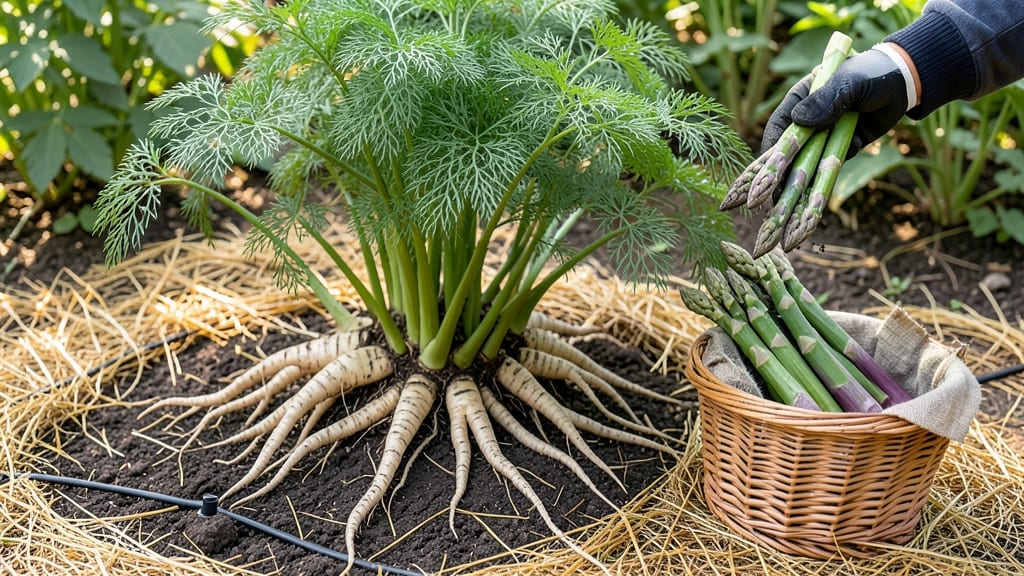
Growing perennial fruits and veggies means fewer spring trips to the nursery and more time enjoying the harvest—no replanting required.
Picture this: a garden that rebounds after frost, produces year after year, and cuts your work in half. That’s the magic of cold-hardy perennials like asparagus, rhubarb, and strawberries, which thrive even in Zone 3 climates.
Whether you’re a backyard gardener or a homesteader, these plants deliver long-term rewards with minimal effort. Below, I’ll cover the best varieties, planting tips, and seasonal care to keep your perennials productive for decades.
Ready to swap annuals for plants that give back more than they take? Let’s get started.
Top 10 cold-hardy perennial fruits and vegetables for year-round harvests
If you love gardening but hate replanting every spring, cold-hardy perennial fruits and vegetables are your best friends. These resilient plants rebound after frost, produce year after year, and thrive in USDA zones 3-7.
Whether you're in Minnesota or Maine, these low-maintenance perennials will keep your harvests bountiful without the annual hassle.
Unlike annuals that die back each winter, these frost-resistant plants store energy underground, emerging stronger every spring. From sweet strawberries to tender asparagus spears, these perennials prove that cold climates can still yield delicious, homegrown food.
Let’s dive into the top 10 cold-hardy perennials that will transform your garden into a year-round harvest powerhouse.
| Plant | USDA Zones | Sun Needs | Mature Size | Harvest Time | Notes |
|---|---|---|---|---|---|
| Asparagus | 3-10 | Full Sun | 3-5 ft tall | Spring (Years 3-10) | Slow start; 2-3 years to harvest |
| Rhubarb | 3-9 | Full Sun-Part Shade | 3-4 ft tall | Spring-Fall | Edible stalks only; toxic leaves |
| Strawberries | 4-9 | Full Sun | 6-12 in tall | Late Spring-Summer | June-bearing types thrive in cold |
| Artichokes | 7-10 (overwinter in zones 5-6) | Full Sun | 4-6 ft tall | Summer | Globe varieties are cold-hardiest |
| Jerusalem Artichokes | 3-9 | Full Sun-Part Shade | 5-6 ft tall | Fall-Winter | Invasive tubers; harvest before frost |
| Blueberries | 3-7 | Full Sun | 3-10 ft tall | Late Spring-Summer | Acidic soil required; mulch heavily |
| Rhubarb-Chard | 4-9 |
How to plant and maintain perennial fruits and veggies for maximum yieldPerennial fruits and vegetables offer the ultimate low-maintenance solution for busy gardeners. Unlike annuals, these hardy plants return year after year, rewarding you with consistent harvests with minimal replanting. The key to their success lies in proper planting techniques and seasonal care that helps them rebound stronger after frost. Whether you're growing asparagus crowns or blueberry bushes, these steps will ensure your perennials thrive even in cold climates. Before planting, focus on well-draining soil rich in organic matter. Perennials like rhubarb and strawberries prefer slightly acidic soil (pH 6.0-6.8), while others such as artichokes tolerate neutral to alkaline conditions. Amend your soil with compost or aged manure 2-3 weeks before planting to give roots a nutrient boost. Choosing the right location with 6-8 hours of sunlight is equally critical for optimal growth and productivity. ⚠️ CRITICAL FROST PROTECTION TIP Perennial roots are vulnerable to winter dieback if not protected. After your first frost, apply a 4-6 inch layer of mulch (straw or shredded leaves) around the base. For tender perennials like asparagus, add a thick layer of straw or use frost blankets in extreme cold (below 20°F). Never mulch too early—wait until the ground freezes to prevent rot. 🌱 Pro Tip: Prune back dead foliage in early spring to encourage new growth before the soil warms. Start by preparing your planting site in early spring, just as the soil becomes workable. Dig a trench or hole that’s twice as wide as the root system but only 6 inches deep—perennials hate being buried too deeply. For crowns or bare-root plants, like asparagus, spread the roots out gently and cover them with soil, leaving the tips exposed. Water thoroughly after planting to settle the soil and eliminate air pockets. Watering is critical during the first growing season to establish strong roots. Aim for 1-1.5 inches of water per week, delivered either through deep watering sessions (2-3 times weekly) or a slow drip system. Avoid overhead watering, which can spread diseases like powdery mildew. Once established (typically year 2-3), most perennials become drought-tolerant, but consistent moisture during fruit production (e.g., blueberries) ensures sweeter harvests. Seasonal care keeps perennials productive year after year. In spring, fertilize with a balanced organic fertilizer (10-10-10) as new growth appears. During summer, side-dress with compost tea every 4-6 weeks to replenish nutrients. In fall, apply a slow-release fertilizer (like bone meal for asparagus) to support next year’s growth. Prune dead or diseased stems in late winter to improve airflow and reduce pests. Harvesting at the right time maximizes yield and plant health. For asparagus, cut spears when they’re 8-12 inches tall and 2 inches thick—never harvest more than 20% of the stalks in a season. With rhubarb, wait until the stalks are 10-12 inches long and pull them gently to avoid damaging the crown. For fruit-bearing perennials like strawberries, pick berries when they’re fully colored but still firm to the touch. With these strategies, your perennial garden will flourish for years, reducing your workload while increasing your harvests. The secret? Proactive care—whether it’s mulching for frost protection, fertilizing at the right times, or pruning strategically—ensures your plants rebound stronger every spring. Happy gardening! 🌿 |