
Fertilization
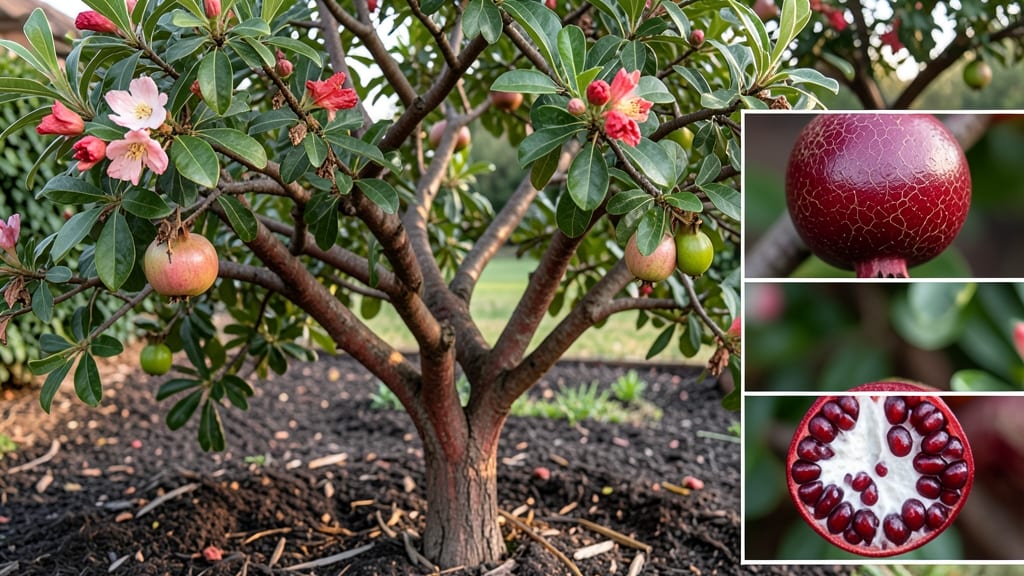
Identifying the perfect pomegranate fruit stages means catching those deep ruby jewels at their peak—and missing the window means mealy, bland seeds. 🌿 I’ve watched my first pomegranates go from fuzzy green balls to heavy, cracked husks, and I’ll never forget the thrill of that first juicy bite at just the right time.
The secret? Knowing what to look for at each stage so you don’t harvest too early (or too late).
After flowering, the fruit starts as a tiny, hard green ball—not the time to pick. Over 8-12 weeks, it’ll swell, turn yellow, then deepen to a rich crimson. The skin should feel leathery, not soft, and when you tap it, it should sound hollow.
That’s your cue: the seeds inside are plump, sweet, and ready. But here’s the kicker—some varieties need frost to sweeten up fully, so check your climate.
You’ll end up with bursting, jewel-toned seeds that taste like sunshine, not the dry, bitter ones you get when you guess wrong. The best part? Once you master these stages, you’ll know exactly when to harvest—no more wasted fruit.
And trust me, that first perfect pomegranate is worth every week of waiting.
Works for both backyard trees and container-grown plants—just adjust your timing based on your zone. Here’s how to spot each stage like a pro, so you’re never left with underripe (or overripe) disappointment.
📚 In This Guide
- What you need
- Instructions
- Tips and common mistakes
- Wrapping up and next steps
What you need
- ○ Pomegranate trees: Mature trees (3+ years old) for accurate stage observation. Optional: Young trees for learning purposes.
- ○ Pruning shears: Sharp, sterilized shears (for optional branch trimming or sample collection).
- ● Notebook or digital app: For logging observations (e.g., GrowVital or a simple journal).
- ● Camera or smartphone: To document color, size, and texture changes.
- ● Measuring tape: To track fruit diameter (ideal: 3–5 inches at full maturity).
- ● Pencil or probe: For gently testing fruit firmness (avoid piercing the skin!).
- ○ pH test strips (optional): To monitor soil acidity (ideal range: 5.5–7.0).
- ○ Gloves (optional): For handling thorns or sticky sap.
- ● Basic knowledge of pomegranate varieties (e.g., ‘Wonderful’ ripens in 180–210 days).
- ● Access to a sunny, well-drained location (pomegranates thrive in USDA Zones 7–11).
- ● Patience! Stages progress over 6–8 months—plan ahead.
Step-by-Step guide to identifying pomegranate ripeness
Watch for these telltale signs, and you’ll harvest juicy, flavorful fruit at its peak.
🍇 Step 1: Observe Color Changes on the Skin
Mature pomegranates start as pale green but deepen to a rich, vibrant hue as they ripen. Look for a deep burgundy or ruby-red color—this is your first clue that the fruit is ready. Some varieties may stay greenish-yellow, but they’ll feel heavier for their size, signaling maturity.
Here’s the thing—don’t wait for the fruit to turn fully red if your climate is cool. In areas with shorter growing seasons, pomegranates may never reach that deep color. Instead, focus on the weight and firmness (more on that next). I’ve seen perfectly ripe fruit that was still mostly green but heavy and firm.
🍇 Step 2: Check Firmness and Weight
A ripe pomegranate feels heavy for its size—almost like it’s too heavy to lift off the branch. Gently squeeze the fruit: it should yield slightly under pressure, like a ripe avocado, but not feel mushy. If it’s rock-hard, it’s not ready yet.
Real talk: if the fruit feels too light or bounces when you drop it, it’s still developing. Overripe pomegranates get soft and may split open, so timing is everything. I like to test ripeness by gently shaking the tree—ripe fruit will rattle slightly inside its skin.
☀️ Step 3: Examine the Calyx (Crown) for Dryness
The calyx (the flower-like top of the pomegranate) is a critical ripeness indicator. When ripe, it should feel dry and papery, almost ready to fall off or crumble if you touch it gently. If it’s still green and firm, the fruit needs more time on the tree.
This is the moment that matters: if the calyx is brown and brittle, the fruit is at its sweetest. I’ve learned the hard way—if you pick too early, the seeds stay hard and bland. Wait until the calyx is at least 50% dry before harvesting.
🍇 Step 4: Compare to Nearby Fruit
Pomegranates on the same tree ripen at slightly different times, so compare your target fruit to its neighbors. If most of the fruit on the branch has turned color and feels heavy, yours is likely close to ready. Look for consistent color shifts across multiple fruits.
Don’t skip this (I learned the hard way): if one fruit looks ripe but its neighbors are still green, it might be a fluke. Wait another 5-7 days to confirm ripeness. Patience here ensures you don’t pick premature fruit.
⏰ Step 5: Harvest at the Right Time of Day
For the perfect harvest, pick pomegranates on a cool morning after the dew has dried. The fruit’s natural sugars concentrate overnight, making it sweeter. Avoid harvesting in extreme heat—it can stress the fruit and shorten its shelf life.
Once picked, store pomegranates at room temperature for 2-3 days to soften further. If you need to store them longer, refrigerate them uncut—they’ll keep for up to 3 months. But here’s the kicker: the longer you wait after picking, the easier they’ll be to crack open!
Tips & tricks for perfect pomegranate ripeness
These game-changing insights will help you spot ripe pomegranates like a pro—no guesswork required!
Color Confidence: That deep burgundy or ruby-red hue in Step 1 is your first clue, but don't stress if your climate keeps fruit greenish. The real magic happens when you combine color with weight—perfectly ripe pomegranates feel surprisingly heavy for their size. I've picked fruit that was still mostly green but heavy and firm, and it was sweeter than anything fully red!
Calyx Test: The crown (calyx) in Step 3 is your secret weapon. When it's at least 50% dry and feels papery, that's your signal to harvest. Pro tip: Gently tug the calyx—if it starts to separate from the fruit, you've timed it perfectly. I once waited too long and the calyx fell off completely before I picked it, but the fruit was still delicious!
Shake Test: In Step 2, when you gently shake the tree, ripe pomegranates make a subtle rattling sound inside their skin. This happens because the seeds have fully developed and settled. It's like nature's built-in ripeness alarm! If you hear nothing, wait a few more days.
Harvest Timing: Step 5's cool morning advice is non-negotiable. The fruit's natural sugars concentrate overnight, making it sweeter. I've noticed that pomegranates harvested in extreme heat often have a shorter shelf life, so always aim for that perfect morning window. The 2-3 days at room temperature after picking is also crucial—it lets the fruit soften naturally for easier opening!
Pro Tips for Pomegranate Fruit Stages
- These game-changing insights will help you spot ripe pomegranates like a pro—no guesswork required!
- Color Confidence: That deep burgundy or ruby-red hue in Step 1 is your first clue, but don't stress if your climate keeps fruit greenish.
- Calyx Test: The crown (calyx) in Step 3 is your secret weapon.
Frequently asked questions
Got questions about pomegranate ripeness? You’re not alone! Here are some of the most common queries—and their answers—to help you master the perfect harvest.
How do I know if a pomegranate is ripe enough to pick?
A ripe pomegranate will have a deep, vibrant red or pink hue and feel heavy for its size (a sign of juicy seeds inside). The skin should crack slightly when gently squeezed, but avoid picking if it’s still green or overly soft—this means it’s underripe or overripe.
Can I eat pomegranates that aren’t fully red yet?
Yes, but they’ll taste less sweet and juicy. Pomegranates continue ripening off the tree for about 1–2 weeks at room temperature. If yours is yellowish or pale pink, store it in a cool, dry place and check again in a few days. Patience pays off!
What if my pomegranate splits open on the tree?
Splitting is a common issue, often caused by overwatering or heavy rain. If it happens, harvest the fruit immediately—it’s still edible but may spoil faster. To prevent splits, ensure consistent moisture (not soggy soil) and prune branches to improve airflow.
How long do pomegranates stay fresh after picking?
Uncut pomegranates last 3–5 weeks at room temperature and up to 2 months in the fridge. Once opened, store seeds in an airtight container with a damp paper towel to keep them moist. For long-term storage, freeze seeds for up to 6 months—perfect for smoothies!
What can I do if my pomegranate tree isn’t producing fruit?
Pomegranate trees need full sun (6+ hours/day), well-draining soil, and cross-pollination (plant two trees for best results). If flowers appear but drop off, check for pests, drought stress, or nutrient deficiencies (like low nitrogen). A balanced fertilizer in early spring can help boost fruit set!
Wrapping up and next steps
Understanding the pomegranate fruit stages is your secret weapon for a bountiful, flavorful harvest! 🌱 From budding blooms to deep ruby ripeness, each phase offers clues to guide your timing—whether you’re savoring fresh seeds or crafting culinary magic.
Now that you’re equipped with visual cues and expert tips, why not take the next step? Grab a notebook, jot down your observations, and experiment with harvesting a few fruits at different stages. The more you practice, the more intuitive (and delicious!) your pomegranate adventures will become.