
Shrubs
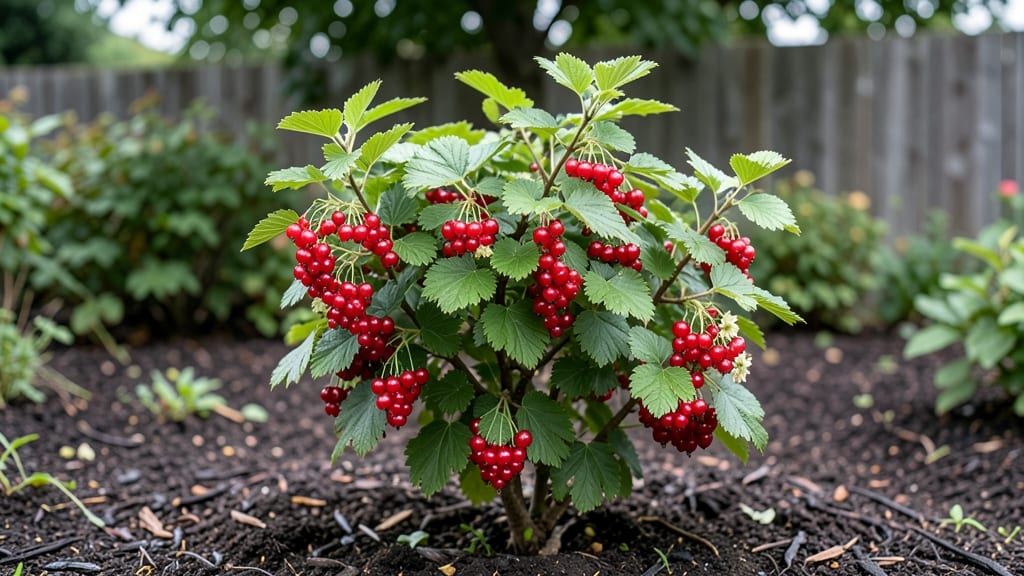
Growing red small fruit like strawberries and ground cherries is easier than you think—no pruning mess, just vibrant berries in containers. 🌱 I’ve grown these in pots for years, and the right varieties produce sweet, juicy fruit with minimal fuss.
The secret is choosing compact plants that thrive in small spaces without sprawling everywhere. Start with everbearing strawberries or bush varieties like ‘Tumbling Tom’ tomatoes and ‘Gold Rush’ ground cherries—they stay tidy and fruit continuously. Plant them in 5-gallon containers with well-draining soil, spacing them 12–18 inches apart for airflow.
A sunny spot (6+ hours of light) and regular watering (keep soil moist but not soggy) keeps them happy all season. By mid-summer, you’ll be snipping ripe red berries straight from the vine, perfect for snacks or salads.
These plants handle pests better than traditional varieties, and you avoid the pruning headaches of larger shrubs. The best part? You can move them to follow the sun or protect them from late frosts. Works for balconies, patios, or small yards—no garden required. Let’s get those containers planted!
Why Fruit Stays Tiny And Red
When your container-grown shrubs produce small, vibrant red fruits instead of plump, juicy berries, it’s usually a sign of underlying stress or imbalance. Understanding the root causes—whether environmental, nutritional, or physiological—helps you take precise corrective action.
Below, we break down the most common reasons your fruits are staying underdeveloped, with clear science-backed explanations and actionable fixes.
Fruit development is highly sensitive to temperature fluctuations. If your shrub experiences hot days followed by cold nights (especially below 50°F/10°C), the plant diverts energy toward survival rather than fruit expansion. This triggers early coloration (red pigment) while halting growth.
Why it happens:
- Chilling injury: Sudden cold snaps disrupt cell division in developing berries, locking them in a "dormant" state.
- Heat stress: High daytime temps (above 90°F/32°C) cause ethylene buildup, a hormone that accelerates ripening but stunts size.
- Poor pollination: Cold nights can reduce insect activity, leading to fewer fertilized flowers and smaller fruit sets.
Actionable fix:
- Use row covers or frost blankets to stabilize nighttime temps.
- Mulch heavily (3–4 inches) to insulate roots and reduce soil temp swings.
- Water deeply in the evening to cool the plant and soil gradually.
Red fruits often signal stress-induced anthocyanin production—a plant’s way of protecting itself from too much light or too little. In containers, limited sunlight is the #1 culprit for stunted growth.
Why it happens:
- Shade stress: Without 6–8 hours of direct sun, photosynthesis slows, starving the fruit of energy.
- Overhead shade: Dappled light (e.g., from trees) creates uneven growth, leading to small, misshapen berries.
- Reflective surfaces: Light-colored walls or pavement can scorch leaves, triggering early reddening as a defense mechanism.
Actionable fix:
- Rotate containers weekly to ensure even light exposure.
- Use reflective mulch (white gravel or aluminum foil) to bounce light onto undersides.
- Supplement with grow lights (LED full-spectrum) for 4–6 hours/day if natural light is insufficient.
Both drought stress and waterlogging disrupt nutrient uptake and fruit development. Red, tiny fruits often appear when the plant is either thirsty or suffocating.
Why it happens:
- Underwatering: Causes osmotic stress, where the plant conserves water by halting fruit expansion.
- Overwatering: Leads to root rot, cutting off nutrient flow (especially calcium and boron, critical for fruit cell division).
- Inconsistent moisture: Container soil dries out 3x faster than ground soil, leading to erratic water availability.
Actionable fix:
- Test soil moisture with a finger—water when the top 1–2 inches are dry (but not bone-dry).
- Use self-watering containers or drip irrigation for steady hydration.
- Avoid soggy soil: Ensure pots have drainage holes and raise containers on feet to prevent water pooling.
Red, stunted fruits often scream nutritional starvation, particularly for boron, calcium, or phosphorus. Containers deplete nutrients faster than garden beds, and imbalances (like too much nitrogen) can also shrink fruit size.
Why it happens:
| Deficiency | Symptoms | Impact on Fruit |
|---|---|---|
| Boron | Reddish-brown spots, cracked skin | Prevents cell wall formation → tiny, brittle fruit |
| Calcium | Blossom end rot, weak stems | Stops fruit from expanding past 1/3 of normal size |
| Phosphorus | Dark green leaves, slow growth | Delays ripening, keeps fruit hard and small |
| Potassium | Yellowing leaf edges | Weakens fruit structure, increases disease susceptibility |
Actionable fix:
- Soil test first! Use a DIY test kit or send a sample to a lab.
- Amend soil with:
- Bone meal (phosphorus) for early flowering.
- Crushed eggshells (calcium) or borax (boron) at planting.
- Greensand (potassium) mid-season.
- Fertilize in 3 phases:
- Pre-bloom: High-phosphorus (e.g., 5-10-10).
- Fruiting: Balanced (e.g., 10-10-10) + micronutrients.
- Late season: Potassium-heavy (e.g., 0-0-50) to harden fruit.
Even if flowers appear healthy, lack of pollination (or self-incompatibility) can lead to small, red berries that never fill out. Container-grown shrubs often suffer from reduced pollinator access or genetic quirks.
Why it happens:
- Fewer bees/wasps: Containers isolate plants, limiting cross-pollination.
- Self-sterile varieties: Some shrubs (like certain red currants) need two compatible plants for fruit set.
- Wind-dependent pollinators: If your shrub relies on wind (e.g., gooseberries), containers disrupt natural pollen dispersal.
Actionable fix:
- Hand-pollinate with a soft paintbrush on cloudy days (when bees are inactive).
- Plant a second compatible variety nearby (even in a separate pot).
- Attract pollinators with:
- Native flowering plants (e.g., lavender, borage).
- Pollinator-friendly mulch (e.g., clover or wildflower mix).
When roots circle the pot or hit the sides, the plant prioritizes root growth over fruit production. This is especially true for fast-growing shrubs in small containers.
Why it happens:
- Crowded roots: Strangle themselves, reducing water/nutrient uptake.
- Shallow soil volume: Limits mycorrhizal fungi (which boost nutrient absorption).
- Overpruned roots: If roots were trimmed too aggressively during repotting, recovery slows fruit development.
Actionable fix:
- Repot every 2 years into a container 2–3 inches larger in diameter.
- Loosen roots gently when repotting—never trim more than 1/3 of the root ball.
- Use air-pruning pots (with holes on the sides) to encourage outward root growth.
- Top-dress with compost annually to feed roots without disturbing them.
Chemical residues (even from last season) can disrupt hormone balance, leading to small, red fruits. Common culprits include:
- Systemic herbicides (e.g., glyphosate) applied nearby.
- Overuse of fungicides (e.g., copper-based sprays), which can burn roots.
- Neonicotinoids (found in some insecticides), which repel pollinators.
Why it happens:
- Hormone disruption: Chemicals mimic or block auxin (a growth hormone), stunting cells.
- Root damage: Fungicides or herbicides can kill beneficial microbes in the soil.
- Pollinator decline: Insecticides reduce fruit set by eliminating necessary pollinators.
Actionable fix:
- Test soil for residues (send to a lab if you suspect contamination).
- Switch to organic sprays (e.g., neem oil, insecticidal soap, or kaolin clay).
- Avoid synthetic chemicals for 6 weeks before flowering.
- Plant a "sacrificial border" of marigolds or nasturtiums to absorb excess chemicals.
Quick Fixes for Tiny Red Berries
When your container-grown shrubs produce tiny red fruit instead of plump, vibrant berries, the good news is that most issues have simple solutions—no pruning panic required! Below, we’ve mapped common causes to practical fixes, along with prevention tips to keep your shrubs thriving.
Let’s turn those pint-sized berries into juicy, harvest-worthy treasures!
Cause: Poor soil fertility or nutrient imbalance (especially nitrogen, phosphorus, or potassium). Solution:
- 🔥 Test your soil first! Use a DIY kit or send a sample to a local extension office. If results show low fertility, amend with:
- Organic matter: Mix in compost or aged manure (1–2 inches worked into the top 6 inches of soil).
- Balanced fertilizer: Switch to a low-nitrogen, high-phosphorus formula (e.g., 5-10-10) for fruiting shrubs like strawberries, currants, or blueberries. Apply in early spring before blooms appear.
- Mulch: Top with straw or wood chips (2–3 inches) to retain moisture and slowly release nutrients.
✨ Pro Tip: If your shrubs are in containers, flush the soil with water every 2–3 months to prevent salt buildup from fertilizers. Let water drain completely!
Cause: Inconsistent watering (too much or too little) stresses plants, stunting fruit growth. Solution:
- 👨🍳 Water deeply but infrequently: Aim for 1–1.5 inches of water per week, including rainfall. For containers, water when the top inch of soil feels dry (stick your finger in to check!).
- 🥘 Use drip irrigation or soaker hoses to deliver water directly to the roots, avoiding leaf wetness (which can cause disease).
- ⏰ Morning watering is key: Water before 10 AM to reduce evaporation and fungal risks.
💡 Prevention Tip: Group containers together to create a microclimate that retains moisture longer. Add a layer of hydro mulch (like coconut coir) to slow evaporation.
Cause: Too much shade or intense afternoon sun burns buds, leading to small, underdeveloped fruit. Solution:
- 🌿 Move containers to a spot with 6–8 hours of sunlight daily, but protect from scorching afternoon rays (1–4 PM) if your climate is hot.
- 🍳 Use shade cloth (30–50% coverage) during peak sun hours if your shrubs are in a hot, dry microclimate.
- 🌱 Choose the right shrub for your space: Some red berries (like juniper berries or arbutus) tolerate partial shade, while others (e.g., strawberries) need full sun.
🎯 Pro Tip: If relocating isn’t an option, prune nearby trees to open up the canopy gradually (but avoid heavy pruning mid-season).
Cause: Aphids, spider mites, or fungal diseases (like powdery mildew) sap energy, diverting it from fruit development. Solution:
- 🔪 Inspect leaves and stems weekly for pests. Blast them off with a strong spray of water or use neem oil (mix 1 tbsp per quart of water + a drop of dish soap).
- 🌡️ Improve airflow: Thin out crowded branches to reduce humidity around fruit. Space containers 12–18 inches apart.
- 🍎 Prevent fungal issues: Apply copper fungicide at the first sign of mildew or spotty leaves. For organic control, spray with a baking soda solution (1 tsp baking soda + 1 quart water + a few drops of soap).
💡 Prevention Tip: Rotate crops if growing edible berries in containers—don’t replant the same type in the same pot for 2+ years to break pest cycles.
Cause: Over-pruning or pruning at the wrong time removes flowering wood, reducing fruit production. Solution: - 🍳 Prune strategically: For spring-bearing shrubs (e.g., raspberries), prune immediately after harvest to encourage next year’s canes.
For summer-bearing types, prune in late winter. - 🔪 Avoid "haircutting" shrubs: Never trim more than 1/3 of the plant in one session.
Focus on removing dead, crossing, or diseased branches first. - 🌱 Encourage bushiness: Pinch back new growth in early summer to promote branching, which leads to more fruit clusters.
✨ Pro Tip: If your shrub is overcrowded, thin out the oldest canes (for berries like currants) to redirect energy to younger, more productive stems.
Cause: Soil pH outside the 4.5–6.5 range (ideal for most red berries) locks out essential nutrients like iron or phosphorus. Solution: - 🌱 Test your soil pH (use a meter or kit).
For acid-loving plants (e.g., blueberries, cranberries): - Lower pH (more acidic): Add sulfur or peat moss (follow package rates). - Raise pH (less acidic): Mix in lime or wood ash (sparingly—too much can harm roots). - 🍎 For containers: Use a pre-mixed acidic potting soil (like those labeled for "acid-loving plants").
Replace soil every 2–3 years to prevent compaction.
💡 Prevention Tip: Avoid composted leaves or grass clippings in large amounts—they can raise pH over time.
Stuck on what’s wrong? Use this cause-and-effect guide to diagnose fast!
| Symptom | Likely Cause | Fast Fix |
|---|---|---|
| Tiny, hard berries | Nutrient deficiency (P/K) | Fertilize with 5-10-10 in spring |
| Berries split or crack | Overwatering or uneven soil moisture | Adjust watering; improve drainage |
| Leaves yellowing | Overwatering or poor drainage | Let soil dry slightly; add perlite |
| No fruit, only leaves | Too much nitrogen | Switch to low-N fertilizer |
| Berries stay green | Cool temperatures or shade | Move to sunnier spot; protect from frost |
Final Thought: Most small berry issues boil down to three basics—soil, water, and sunlight—with a dash of pest control. Start with one fix (like testing soil or adjusting watering), then monitor progress.
With a little tweaking, your containers will be bursting with plump, ruby-red berries in no time! 🍒✨
Frequently asked questions
Which red small fruits are easiest to grow in containers?
Start with everbearing strawberries like 'Alpine' or 'Seascape'—they thrive in 5-gallon pots and produce fruit continuously. Ground cherries ('Gold Rush') and bush tomatoes ('Tumbling Tom') are also container-friendly, needing just 6+ hours of sun and regular watering. These varieties stay compact and avoid sprawling issues.
How often should I water container-grown red fruits?
Water when the top 1–2 inches of soil feel dry—typically every 2–3 days in hot weather. Containers dry out faster than garden beds! Use self-watering pots or drip irrigation for consistency. Always check for drainage holes to prevent root rot from soggy soil.
Can I grow red berries from store-bought fruit?
Yes, but success varies! Try strawberries—place the fruit in a container with soil, cover with plastic, and wait for sprouts. For ground cherries, save seeds from ripe fruit, dry them, then plant in spring. Note: Seed-grown plants may not match parent traits (like size or flavor) and take longer to fruit.
Why are my red berries staying small and hard?
This usually means nutrient deficiency (especially phosphorus or potassium) or underwatering. Switch to a balanced fertilizer (like 10-10-10) and water deeply 1–2 times weekly. Check for pests too—aphids or spider mites can sap energy from developing fruit.
Do I need to prune my container berries?
Minimal pruning is best! Remove only dead or diseased branches and thin crowded stems to improve airflow. For strawberries, cut back old leaves after harvest to encourage new growth. Avoid heavy pruning—these compact varieties produce fruit on new growth, not old wood.