
Trees
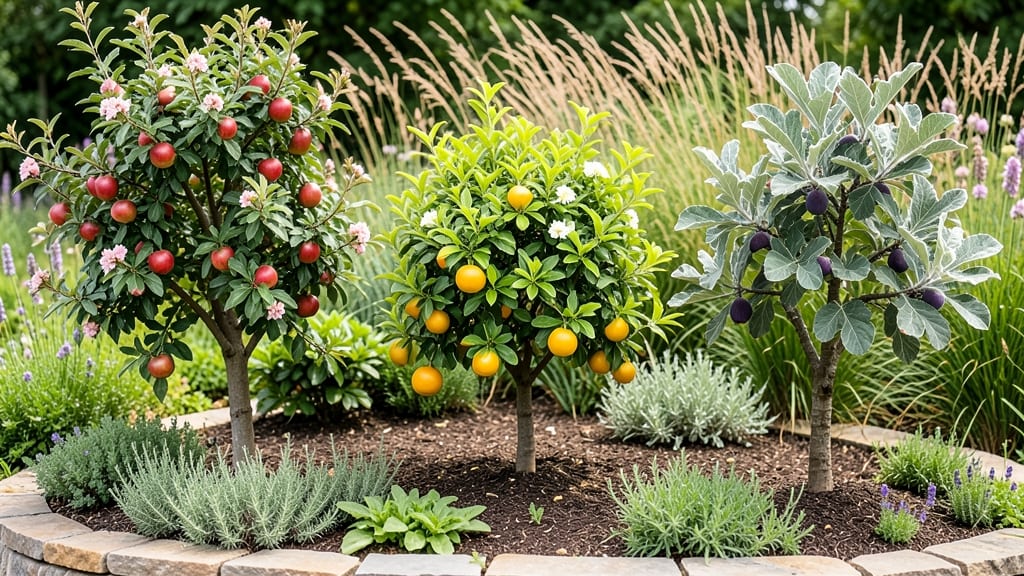
Growing small fruit trees in containers lets you enjoy apples, peaches, and citrus without needing a yard. 🌳 I planted my first dwarf Meyer lemon last spring, and within months, it was heavy with fruit—something I never thought possible in my tiny courtyard.
The secret is choosing the right variety for your space and climate, then giving it proper sunlight, water, and a well-draining container. Most dwarf trees thrive in 5-gallon pots and need 6-8 hours of sun daily, but some citrus varieties tolerate partial shade better than apples.
You’ll harvest fresh fruit within 1-3 years, depending on the type, and the plants stay compact enough to move indoors during winter if needed. The best part? No more fighting weeds or dealing with sprawling roots—just pure, easy fruit production.
Works for balconies, patios, or even sunny windowsills. Here’s how to pick the perfect variety and set it up for success!
📚 In This Guide
- What you need
- Instructions
- Tips and common mistakes
- Wrapping up and next steps
What you need
- ● Dwarf fruit tree varieties: Choose 1-3 trees (e.g., apple, peach, cherry, or citrus) suited for containers or small gardens.
- ● High-quality potting mix: 5-10 gallons (depending on pot size), well-draining and enriched with compost.
- ● Containers or raised beds: Containers: 15-25 gallon pots (minimum 18" deep) with drainage holes.
- ● Raised beds: At least 2' x 2' x 1' deep, with drainage material (e.g., gravel or landscape fabric).
- ● Slow-release fertilizer: Balanced (e.g., 10-10-10) or organic options like composted manure.
- ● Mulch: Organic (wood chips, straw) or inorganic (gravel) to retain moisture.
- ● Garden trowel or shovel for planting.
- ● Pruning shears (sterilized) for shaping and maintenance.
- ○ Watering can or hose with a gentle nozzle (drip irrigation is optional but helpful).
- ○ pH testing kit (optional but recommended for soil health).
- ○ Support stakes or cages (optional for windy areas or heavy fruit).
- ● Sunlight: 6-8 hours of direct sun daily (adjust for shade-tolerant varieties).
- ● Water access: Consistent moisture (avoid soggy soil).
- ● Climate suitability: Check hardiness zones for your chosen tree (e.g., citrus needs warmth).
- ● Patience: Dwarf trees take 2-5 years to bear fruit!
Step-by-step guide to planting dwarf fruit trees
Here's how to select, plant, and nurture compact fruit trees for a bountiful harvest in tight spaces.
🌱 Step 1: Choose the Right Dwarf Variety and Location
Select a dwarf variety suited to your climate—apples like 'Liberty', peaches like 'Redhaven', or plums like 'Santa Rosa' thrive in containers and small gardens. These trees stay under 6 feet tall while producing full-sized fruit. Plant in full sun (at least 6-8 hours daily) for optimal growth and fruiting.
For containers, choose a rootstock-grafted dwarf tree—these are bred to stay small. Avoid semi-dwarf varieties, which can outgrow their space. If planting in-ground, select a spot with well-draining soil and at least 6 inches of space around the root ball for air circulation.
🪴 Step 2: Prepare the Planting Site or Container
Dig a hole twice as wide as the root ball but no deeper. Amend the native soil with compost (mix 2-3 cups into the bottom of the hole) to improve fertility and drainage. For containers, use a 5-gallon pot with drainage holes and fill with a mix of potting soil and perlite (70% soil, 30% perlite) to prevent compaction.
Place the tree so the graft union (the swollen area near the base) sits 1-2 inches above soil level. This prevents root rot and ensures strong growth above ground. Backfill with amended soil, pressing gently to remove air pockets. Water deeply to settle the soil and eliminate gaps.
☀️ Step 3: Water and Mulch for Healthy Growth
Water the tree deeply immediately after planting, then again every 3-4 days until new growth appears. Dwarf trees need consistent moisture but hate soggy roots—check soil moisture by sticking your finger 1 inch deep. If dry, water; if damp, wait.
Apply 2-3 inches of mulch (wood chips or straw) around the base, keeping it 3 inches away from the trunk to prevent rot. Mulch retains moisture, regulates soil temperature, and suppresses weeds. Replenish mulch annually to maintain its protective layer.
✂️ Step 4: Prune and Fertilize for Bountiful Fruit
Prune in late winter or early spring before buds swell, removing any dead, crossing, or inward-growing branches. Cut just above an outward-facing bud to encourage an open canopy. For containers, prune lightly to control size—dwarf trees need less aggressive pruning than standard varieties.
Fertilize in early spring with a balanced, slow-release fertilizer (10-10-10 ratio). Follow package instructions for application rates, typically 1-2 tablespoons per tree. Avoid over-fertilizing, which can lead to excessive leaf growth at the expense of fruit production.
🌿 Step 5: Monitor and Maintain Through the Growing Season
Watch for signs of pests like aphids or mites—dwarf trees are no less susceptible. Spray with neem oil or insecticidal soap at the first sign of trouble. Thin fruit in late spring (when fruits are pea-sized) to improve size and quality. Leave 6-8 inches between fruits on the tree.
In fall, reduce watering as temperatures drop but keep soil lightly moist. Harvest fruit when fully ripe—don’t wait for it to fall. Store containers in a sheltered spot if winter temps drop below 20°F, or wrap the trunk with burlap for protection.
Tips & tricks for perfect small fruit trees
Took me years of trial and error to master these compact fruit trees—here’s what actually makes the difference between a struggling plant and a thriving one.
Sunlight Strategy: That 6-8 hours of full sun isn’t just a suggestion—it’s non-negotiable for dwarf varieties. If your garden gets partial shade, position the tree where it gets the most direct sunlight possible. South-facing windowsills or balconies work well for containers, but rotate pots occasionally so all sides get even light exposure. I’ve seen trees in shady spots produce tiny fruit or none at all—don’t let that happen to yours.
Root Ball Placement: The graft union sitting 1-2 inches above soil level isn’t just about looks—it’s a critical disease prevention tactic. If you bury it too deep, moisture can pool around it, causing rot. After planting, use a ruler to verify the depth before backfilling. For containers, this rule applies too—just make sure the pot has drainage holes to prevent waterlogging.
Mulch Mastery: Those 2-3 inches of mulch should look like a neat donut around your tree, not a volcano around the trunk. The 3-inch gap prevents rot while keeping weeds at bay. I use wood chips because they break down slowly, but straw works too—just avoid fresh grass clippings, which can burn the roots. Replenish it every spring to maintain that protective layer.
Watering Wisdom: Checking soil moisture with your finger 1 inch deep is the only reliable way to avoid overwatering. Dwarf trees in containers dry out faster than in-ground plants—water every 2-3 days in summer if the topsoil feels dry. In winter, reduce to once a week unless you’re in a particularly dry climate. I’ve killed trees by both drowning them and letting them wilt—neither is ideal.
Pro Tips for Small Fruit Trees
- Took me years of trial and error to master these compact fruit trees—here’s what actually makes the difference between a struggling plant and a thriving one.
- Sunlight Strategy: That 6-8 hours of full sun isn’t just a suggestion—it’s non-negotiable for dwarf varieties.
- Root Ball Placement: The graft union sitting 1-2 inches above soil level isn’t just about looks—it’s a critical disease prevention tactic.
Frequently asked questions
Got questions about growing small fruit trees? You’re not alone! Here are some of the most common concerns—and straightforward answers—to help you get started with confidence.
Can I grow small fruit trees in containers or pots?
Many dwarf varieties thrive in containers as long as the pot is at least 18–24 inches wide and deep, with drainage holes. Use well-draining soil (like a mix of potting soil and compost) and repot every 2–3 years. Just ensure the container gets 6–8 hours of sunlight daily.
How long does it take for a small fruit tree to produce fruit?
Patience is key! Dwarf fruit trees typically bear fruit within 1–3 years of planting, depending on the variety and care. Some, like columnar apple trees, may fruit sooner, while others (like peach trees) might take a bit longer. Proper pruning and fertilization speed up the process!
What’s the best small fruit tree for beginners?
Start with easy-care varieties like:
- Dwarf apple trees (e.g., ‘Liberty’ or ‘Golden Delicious’)
- Columnar pear trees (tight space, minimal pruning)
- Patio plum trees (compact, self-pollinating)
- Dwarf citrus trees (if you live in a warm climate)
How do I protect small fruit trees from pests and diseases?
Prevention is easier than treatment! Inspect leaves regularly for signs of aphids, mites, or fungal spots. Use neem oil or insecticidal soap for pests, and ensure good airflow by pruning crowded branches. Water at the base (not overhead) to reduce disease risk. Most dwarf trees are hardy, but watch for fire blight in apples/pears.
Do small fruit trees need winter care?
Yes, but it’s simple! Mulch the base with straw or wood chips to insulate roots. In colder zones, wrap the trunk with tree guard or burlap to prevent sunscald. Move potted trees to a sheltered spot (like a garage or against a wall) if temps drop below 20°F. Most dwarf varieties handle light frost well!
Pro Tip:
Need a pollinator for your tree? Some dwarf varieties (like ‘Bonanza’ apple) are self-pollinating, but others (like peaches) need a second tree nearby. Check the tag or ask your nursery!
Wrapping up and next steps
Small fruit trees are a game-changer for urban gardeners, tiny yards, and container enthusiasts—proving that big harvests don’t require big space! 🌱 Whether you’re craving sweet cherries, tangy plums, or juicy peaches, dwarf varieties offer low-maintenance joy with high rewards.
With the right care, your tiny orchard can thrive, turning balconies and patios into fruitful oases.
Ready to plant your future harvest? Start by choosing the perfect dwarf variety for your climate, then gather your supplies and dive in! Your first bite of homegrown fruit is just a few seasons away—let’s grow it together! 🍑🌿