
Trees
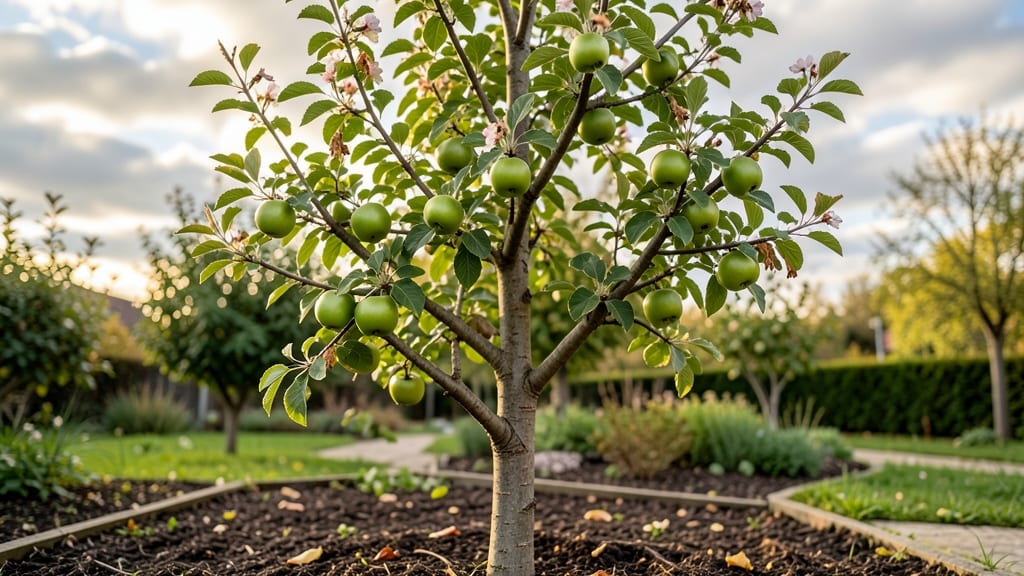
Those small green apple-like fruits on your tree might be crabapples, not blight—here’s how to tell. 🌱 I’ve seen gardeners panic over these little fruits, but some are actually fast-bearing varieties that produce edible (or ornamental) fruit in just 2-3 years.
The key is identifying whether they’re crabapples, immature apples, or even a pest-related issue like apple scab. Crabapples are the most likely culprit, especially if your tree is small and the fruit stays tiny (<1 inch). They’re hardier, bloom earlier, and often thrive in tough conditions.
Immature apples, on the other hand, might grow larger later in the season, but they need proper pruning and care to reach full size. Pests or disease (like apple scab) can also cause small, deformed fruit—look for discoloration or fungal spots as clues.
Once you confirm it’s a crabapple or young apple tree, you’re in luck: these varieties bear fruit within 2-3 years of planting. Prune in late winter to encourage stronger growth, and thin fruit clusters in summer to improve size.
For pests, a simple neem oil spray keeps aphids and mites at bay without harsh chemicals. If it’s not an apple tree at all, we’ll dig into alternatives—maybe it’s a quince, hawthorn, or even a misidentified fruit tree.
Either way, you’ll leave here knowing exactly what’s growing in your yard and how to nurture it.
Why Fruits Stay Tiny & Green
If you’ve spotted small green apple-like fruits clinging to your tree instead of ripening into juicy treats, don’t panic—this is a common issue with clear causes. Understanding the root reasons behind stunted fruit growth helps you take corrective action before the season ends.
Below, we break down the science-backed culprits and how they sabotage your harvest.
---
Pollination is the spark that turns tiny blossoms into fruit. Without it, flowers drop off early, or fruits remain underdeveloped and green. Here’s why it fails:
- Lack of Bees or Wind: Many apple-like fruits (e.g., crabapples, medlar, or hawthorn) rely on insects or wind to transfer pollen. If your tree lacks pollinators—or stands alone without a compatible neighbor—fertilization stalls. - Poor Timing: Cold snaps during bloom can shock pollinators or delay their activity.
If temperatures dip below 50°F (10°C) during flowering, bees may avoid the tree entirely. - Self-Sterile Varieties: Some trees (like certain quince or Japanese persimmons) need two different cultivars to cross-pollinate. Planting just one dooms you to tiny, green failures.
💡 Actionable Fix: - Hand-pollinate with a soft brush if bees are scarce (transfer pollen from flower to flower). - Plant a second compatible variety within 50–100 feet for wind or insect cross-pollination. - Protect pollinators: Avoid pesticides during bloom, and add bee-friendly plants nearby (e.g., lavender, clover).
---
Fruits need balanced nutrition to grow. If your tree is starving, it prioritizes leaves over fruit—leaving you with pea-sized green orbs.
- Nitrogen (N) Shortage: Leads to small, pale leaves and stunted fruit. A deficiency forces the tree to redirect energy to foliage growth instead of swelling fruit. - Boron (B) Deficiency: Critical for cell wall development in fruits.
Without it, fruits may split, crack, or stay tiny and green. Symptoms include blackened blossom ends or deformed growth. - Potassium (K) or Phosphorus (P) Imbalance: These nutrients support fruit maturation. Low potassium causes poor color development, while phosphorus deficiency weakens root-fruit communication.
📊 Soil Test First! Before guessing, test your soil’s pH (aim for 6.0–7.0) and nutrient levels. Common fixes: - Add compost (rich in nitrogen and micronutrients). - Apply boron (1–2 tbsp of borax per tree in early spring, diluted in water). - Use a balanced fertilizer (e.g., 10-10-10) in early spring and after harvest.
---
Fruits need sunlight for photosynthesis and warmth to ripen. If your tree is struggling with light or temperature swings, growth grinds to a halt.
- Insufficient Sunlight: Trees in shade (from buildings, other trees, or dense foliage) produce smaller, less flavorful fruit.
They lack the energy to develop properly. - Late Frost Damage: A frost after bloom can kill pollen or young fruit, leading to drop-off or stunted growth. - Extreme Heat or Drought: High temperatures speed up fruit growth but can cause poor sugar development, leaving fruits hard, green, and underdeveloped.
Drought stress forces the tree to conserve water, sacrificing fruit size.
🌡️ Pro Tips for Climate Control: - Choose the right location: Plant in full sun (6+ hours/day) and avoid low-lying areas where frost lingers. - Mulch deeply (3–4 inches) to retain moisture and regulate soil temperature. - Water deeply during fruit set (when flowers turn into tiny fruits) and throughout summer (1–2 inches per week). - Use frost cloth if late frosts are common in your area.
---
A tree under physical stress (from pruning, transplant shock, or root damage) will prioritize survival over fruit production.
- Aggressive Pruning: Cutting too much in late winter or early spring (when buds are forming) can reduce flowering and fruit set. - Root Damage: Compaction, construction, or over-watering (leading to root rot) starves the tree of nutrients and water. - Transplant Shock: If your tree is young or recently moved, it may focus on regrowing roots instead of bearing fruit.
✂️ Pruning & Root Care Rules: - Prune in late winter (before buds swell) or summer (after harvest). - Limit cuts to 20–30% of the canopy per year. - Aerate compacted soil and avoid heavy foot traffic near the root zone. - Water deeply after transplanting to encourage root establishment.
--- Hidden pests or pathogens can sap energy from your tree, leaving fruits small and green.
- Aphids, Scale, or Spider Mites: These suck nutrients from leaves and stems, weakening the tree’s ability to support fruit. - Fire Blight or Canker: Bacterial/fungal infections kill blossoms or young fruit, leading to drop-off or stunted growth. - Apple Maggot or Curculio Weevils: Larvae bore into fruit, causing deformation or premature drop.
🛡️ Pest & Disease Prevention: - Monitor regularly for holes, sap, or discolored leaves. - Use organic sprays (neem oil, horticultural oil) before bloom to deter pests. - Remove fallen fruit to prevent reinfestation. - Prune out infected branches (sterilize tools with rubbing alcohol between cuts).
--- Not all trees are created equal—some naturally bear small fruit or take years to mature.
- Dwarf or Ornamental Varieties: Trees like crabapples or Japanese persimmons often produce tiny, tart fruit by design. - Slow Starters: Young trees (under 3–5 years) may focus on growth before fruiting heavily. - Biennial Bearing: Some trees (e.g., figs, pomegranates) alternate between heavy and light fruit years.
🌱 What You Can Do: - Be patient—give young trees 3–5 years to establish. - Choose fast-bearing varieties (e.g., Anna apple, Golden Raindrop fig, or Black Sapota). - Thin fruit in heavy years to encourage larger, riper fruit next season.
Fixing Your Tiny Green Tree Fruits
Got a tree loaded with small, green apple-like fruits instead of the juicy, ripe harvest you dreamed of? Don’t worry—this is a common issue, and there are practical, step-by-step solutions to encourage bigger, better fruit.
Below, we’ll break down the most likely causes of your tiny green harvest and match them with easy fixes, plus prevention tips to keep your tree thriving.
---
Cause: If your tree isn’t getting enough cross-pollination (especially true for self-pollinating varieties), flowers may drop early or produce small, underdeveloped fruit.
Fix It: 🔥 🐝 Hand-Pollinate Your Tree - On a dry, sunny morning (when bees are least active), use a soft paintbrush or cotton swab to transfer pollen from one flower to another. - Focus on open flowers (not buds) for best results.
👨🍳 🌿 Plant a Pollinator-Friendly Companion - Add bee-attracting plants like lavender, marjoram, or clover near your tree. - If possible, plant a second compatible variety (e.g., ‘Honeycrisp’ and ‘Gala’).
💡 Pro Tip: If your tree is young, wait until it’s 3–5 years old before expecting full pollination—patience is key!
---
Cause: Too many fruits competing for nutrients = small, underdeveloped ones. This often happens with heavy blooms followed by poor thinning.
Fix It: ⏰ 🍎 Thin Fruits Early (When Golf Ball-Sized) - When? 4–6 weeks after bloom (before seeds harden). - How? Gently twist small fruits off by hand, leaving 4–6 inches between remaining fruits. - Goal: Aim for spaced-out, larger fruit—not quantity over quality!
🔪 🌿 Prune for Better Airflow - Remove suckers, water sprouts, and crossing branches to improve sunlight penetration. - Open the center of the tree to reduce humidity (which spreads fungal diseases).
💡 Pro Tip: Use pruning shears for clean cuts—never tear branches, or you risk disease entry.
---
Cause: Too much or too little water can cause fruits to stay small and green. Drought stress = tiny fruit; overwatering = poor nutrient uptake.
Fix It: 💦 🌱 Water Deeply & Consistently - Young trees (1–3 years): Water 2–3 times per week (1–2 inches per session). - Mature trees: Deep water 1–2 times per week (check soil moisture—it should be damp 6 inches down). - Avoid wetting foliage (use drip irrigation or soaker hoses to prevent fungal issues).
🌡️ 📊 Monitor Soil Moisture - Stick your finger 2 inches into the soil—if it’s dry, water. If soggy, wait. - Mulch heavily (3–4 inches of wood chips) to retain moisture and regulate temperature.
💡 Pro Tip: Mulch volcanoes are bad! Keep mulch 2–3 inches away from the trunk to prevent rot.
---
Cause: Coddling moths, apple maggots, or fungal diseases (like powdery mildew) can stunt fruit growth, keeping them small and green.
Fix It: 🔍 🐛 Inspect Fruits & Leaves Weekly - Look for tiny holes (maggots), webbing (coddling moths), or white powder (mildew). - Remove damaged fruit immediately (don’t compost—bag and trash it!).
🛡️ 🌿 Apply Organic or Chemical Controls | Pest/Disease | Solution | |------------------------|-----------------------------------------------------------------------------| | Coddling Moth | Pheromone traps + spinosad spray (organic) or carbaryl (chemical). | | Apple Maggots | Fruit bagging (cover fruits with mesh bags) or malathion spray. | | Powdery Mildew | Neem oil spray or baking soda mix (1 tbsp baking soda + 1 tsp soap per gallon of water). |
💡 Pro Tip: Prevent > Treat! Apply dormant oil spray in late winter to kill overwintering pests before they hatch.
---
Cause: If your tree lacks nitrogen, phosphorus, or micronutrients, fruits stay small and may not ripen properly.
Fix It: 📊 💪 Soil Test First! - Send a soil sample to your local extension office (costs ~$20–$50). - Common fixes: - Nitrogen (yellow leaves?): Apply compost or blood meal in early spring. - Phosphorus (purple stems?): Use bone meal at planting. - Potassium (weak branches?): Try greensand or wood ash.
🍎 🌱 Fertilize at the Right Time - Spring (before bloom): Balanced 10-10-10 fertilizer. - Summer (fruit development): Low-nitrogen, high-potassium (like 5-10-10). - Avoid fall fertilization—it encourages late growth, which can freeze in winter.
💡 Pro Tip: Over-fertilizing = more leaves, fewer fruits! Follow package rates precisely.
---
To keep your tree producing large, juicy fruits (not tiny green ones), follow these long-term strategies: ✅ Choose the right variety – Some trees (like ‘Anna’, ‘Haralson’, or ‘Dorsett Golden’) bear faster and larger than others. ✅ Prune in late winter – Remove dead wood and suckers before bud break. ✅ Mulch properly – 3–4 inches of wood chips, not grass clippings (they mat down). ✅ Monitor pests early – Weekly checks prevent outbreaks before they damage fruit. ✅ Thin consistently – Don’t wait until fruits are big! Early thinning = bigger harvests.
--- Final Thought: 🎯 Patience + proper care = perfect fruit! With these fixes, your tree should start producing larger, sweeter apples in just one growing season. Happy growing! 🍏🌳
Frequently asked questions
What are the most common trees that produce small green apple-like fruits?
Crabapple trees are the most likely culprit—these ornamental varieties produce tiny, tart fruits (1 inch or smaller) that stay green or turn reddish. Other possibilities include young apple trees (before full maturity), medlar, hawthorn, or even quince. If the fruits are clustered in dense groups, it’s probably a crabapple.
Why do my apple-like fruits stay small and green instead of growing larger?
This usually happens due to poor pollination (lack of bees or wind), nutrient deficiencies (especially boron or nitrogen), or overcrowding from too many fruits competing for resources. Check for yellowing leaves (nitrogen deficiency) or blackened blossom ends (boron deficiency). Thin the fruit clusters early to encourage growth.
Are small green apple-like fruits edible, or should I remove them?
It depends! Crabapples are edible (though tart) and often used for jellies or preserves. Young apple fruits may ripen later, but if they’re deformed or covered in pests, remove them to prevent disease spread. For ornamental trees, you can leave them—they add winter interest and feed wildlife.
How can I tell if my tree has a pest problem causing tiny fruits?
Look for tiny holes (apple maggots), webbing (coddling moths), or discolored spots (fungal diseases like scab). Inspect leaves for aphids or mites too. If you spot these signs, apply neem oil or insecticidal soap early in the season to protect developing fruit.
Can I grow larger apple-like fruits by pruning my tree?
Prune in late winter to remove dead wood and crossing branches, which improves airflow and sunlight penetration. Thin fruit clusters in early summer (when they’re golf-ball sized) to leave 4–6 inches between remaining fruits. This forces the tree to focus energy on fewer, larger fruits.