
Shrubs
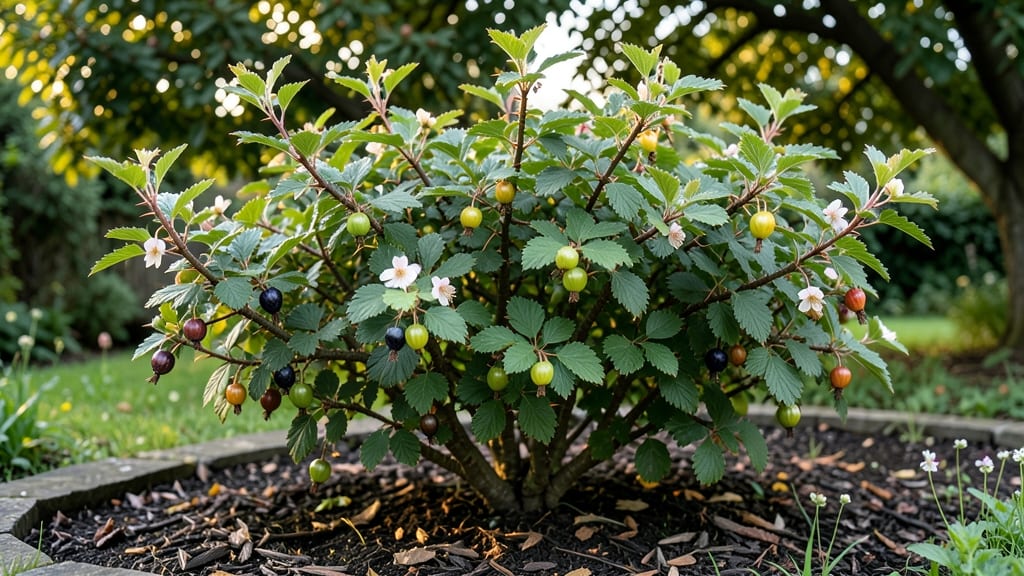
Those tiny small green fruits on your bush might be gooseberries, currants, or wild berries—and yes, they’re often edible (and delicious). 🌿 I’ve spent years identifying these plants, and the first step is distinguishing them from invasive species like buckthorn, which can ruin your yard if left unchecked.
Most of these shrubs thrive with minimal care: prune in late winter to shape the bush and encourage fruit production, and watch for pests like aphids or birds that might snack before you do. The key is timing—harvest when the fruit plumps up and turns translucent, usually in early summer.
Once you confirm it’s a safe, edible variety, you’ll unlock a world of culinary possibilities. The tart, lime-like flavor works perfectly in jams, cocktails, or even fresh in salads. Just be sure to wash the fruit thoroughly before using it—those tiny berries can hide dirt and debris.
If you’re unsure whether your bush is desirable or invasive, snap a photo and compare it to local plant databases. When in doubt, consult a local extension office—they can help you manage the plant without harming your garden’s ecosystem.
Why Fruits Stay Tiny & Green
When your shrub’s small green fruit refuse to ripen or grow, it’s usually a sign that something’s off in their environment or care routine. Understanding these causes helps you fix the issue before it’s too late.
Let’s break down the most common reasons your bush is producing tiny, unripe fruit—and how to address them.
If your shrub isn’t getting pollinated, flowers may drop early or fail to develop into fruit. This is especially common in self-pollinating plants like gooseberries or currants, but even wind- or insect-pollinated varieties can struggle in certain conditions.
- Why it happens:
- Lack of bees, butterflies, or other pollinators (especially in urban or pesticide-heavy areas).
- Weak or sparse flowering due to nutrient deficiencies (like nitrogen or phosphorus).
- Environmental factors like cold snaps during bloom or high humidity, which can deter pollinators.
- Actionable fix:
- Hand-pollinate by gently shaking branches during peak bloom (morning is best).
- Plant companion flowers (like lavender or marigolds) to attract pollinators.
- Avoid over-fertilizing with nitrogen—it boosts leaves but stunts fruit development.
Fruits need sunlight to photosynthesize and mature. If your shrub is shaded, it’ll focus on leaf growth instead of fruit production, leaving you with small, underdeveloped green fruit.
- Why it happens:
- Placement under trees, buildings, or tall plants blocking 6+ hours of direct sun.
- Overcrowded shrubs competing for light, leading to stunted growth.
- Early spring planting, where roots struggle to establish before the growing season peaks.
- Actionable fix:
- Move your shrub to a sunnier spot (south- or west-facing is ideal in the Northern Hemisphere).
- Prune nearby overgrowth to increase airflow and light exposure.
- Use reflective mulch (like white gravel) around the base to bounce extra light onto the plant.
Water stress—whether from drought or overwatering—can halt fruit development. Shrubs need consistent moisture but well-draining soil to thrive.
- Why it happens:
- Underwatering: Dry soil causes the plant to conserve energy, prioritizing survival over fruit growth.
- Overwatering: Roots suffocate in soggy soil, leading to nutrient uptake failures and fruit drop.
- Inconsistent watering (e.g., drought followed by a sudden downpour), which shocks the plant.
- Actionable fix:
- Water deeply 1–2 times per week (depending on climate) instead of shallow daily sprinkles.
- Check soil moisture 2 inches down—if it’s dry, water; if muddy, hold off.
- Improve drainage with organic mulch (straw or wood chips) to retain moisture without waterlogging.
Fruit development is temperature-sensitive. Too hot or too cold can disrupt the process, leaving you with small, green, or deformed fruit.
- Why it happens:
- Late frosts: Damages flowers or young fruit, halting growth.
- Heatwaves: Causes blossom drop or fruit sunburn (common in thin-skinned varieties).
- Poor acclimatization if moved from a greenhouse or indoor space to outdoor conditions.
- Actionable fix:
- Protect young plants with frost cloth during late springs.
- Provide afternoon shade in scorching climates (use shade cloth or plant near taller shrubs).
- Water deeply during heatwaves to cool the roots and reduce stress.
Fruit development requires specific nutrients. If your shrub lacks key elements, it’ll prioritize leaves over fruit, resulting in tiny, green, or malformed berries.
| Nutrient | Signs of Deficiency | How to Fix It |
|---|---|---|
| Phosphorus (P) | Dark green leaves, stunted roots, and poor fruit set. | Apply bone meal or a balanced 10-10-10 fertilizer at planting and mid-season. |
| Potassium (K) | Weak stems, yellowing leaf edges, and fruit that stays green. | Use wood ash or a potassium-rich fertilizer (like 0-0-50) in early summer. |
| Calcium (Ca) | Blossom end rot (common in gooseberries) or small, deformed fruit. | Add crushed eggshells or calcium nitrate to the soil. |
| Boron (B) | Cracked or hollow fruit, weak cell walls. | Apply borax (sparingly) or a micronutrient blend. |
Pro Tip: 💡 Test your soil (kits are cheap and available at garden centers) to identify exact deficiencies before fertilizing.
By tackling these root causes—whether it’s pollination, sunlight, water, temperature, or nutrients—you’ll give your shrub the best chance to produce plump, flavorful fruit instead of tiny green orbs. Next up: How to Harvest and Use Them!
How to Fix Overripe or Underripe Harvests
If your small green fruit on the bush aren’t ripening properly—or are already past their prime—don’t toss them! With a few simple adjustments, you can salvage the harvest and ensure future batches turn out perfectly.
Below, we’ve mapped common issues to practical fixes, plus prevention tips to keep your shrubs thriving.
Cause: Picked too late, exposed to extreme heat, or overwatered. Fix:
- Harvest immediately if fruit is mushy or splitting. Use it in cocktails (like a lime-zest shrub) or freeze for later.
- Reduce watering if soil is soggy—aim for 1–1.5 inches per week (adjust for rain).
- Prune overripe branches to redirect energy to healthier fruit.
Prevention Tip: 🌡️ Pick at peak firmness—just before full green turns yellowish. Test by gently squeezing; it should yield slightly but not squish.
Cause: Harvested too early, cool weather, or poor sunlight. Fix:
- Let them ripen off the bush in a paper bag with a banana (ethylene gas speeds ripening).
- Move the plant to a sunnier spot (6+ hours of light daily) for next season.
- Use unripe fruit in cooking—blanch and zest for cocktails (e.g., a spicy lime shrub).
Pro Tip: ✨ Check color and scent—ripe fruit should smell citrusy, not bland.
Cause: Aphids, mites, or fruit flies feasting on your crop. Fix:
- Spray neem oil (1 tsp per quart of water) or insecticidal soap weekly.
- Remove infested fruit and drop it in soapy water (don’t compost!).
- Install netting over bushes to block pests.
Prevention Tip: 💡 Encourage predators—plant marigolds nearby to attract ladybugs.
Cause: Nutrient deficiency, compacted soil, or wrong pruning. Fix:
- Fertilize lightly with citrus-specific feed (high in nitrogen early, potassium late).
- Loosen soil around roots to improve drainage (avoid heavy clay).
- Prune in late winter to open airflow and encourage new growth.
Quick Fix: 🔥 Add compost around the base—your bush will thank you next season!
Cause: Hail, drought, or sudden temperature swings. Fix:
- Protect from hail with row covers or a tarp during storms.
- Mulch heavily (2–3 inches) to retain moisture in dry spells.
- Shade cloth (30–50%) can help in scorching climates.
Prevention Tip: 🌡️ Monitor forecasts—cover plants if frost or extreme heat is predicted.
Final Note: Most issues are fixable with patience and minor adjustments. For next year, keep a garden journal to track what worked (and what didn’t)! 📖✏️
Frequently asked questions
Are small green fruits on my bush edible?
It depends! Many common shrubs like gooseberries, currants, or wild berries produce edible green fruits that ripen to tart-sweet flavors. However, some look-alikes (like buckthorn or bittersweet) are toxic. Always confirm identification first—check local plant databases or consult an extension office if unsure.
Why are my bush fruits staying green and tiny?
This usually means poor pollination, insufficient sunlight (6+ hours daily), or nutrient deficiencies (like potassium). Try hand-pollinating flowers, moving the bush to a sunnier spot, or adding compost. Overwatering or compacted soil can also stunt growth—let the top 2 inches of soil dry between waterings.
How do I tell if my shrub is gooseberries vs. currants?
Gooseberries have spiny stems and fuzzy fruit, while currants grow on smooth stems with smooth, shiny berries. Both ripen to red, black, or white, but unripe green versions look nearly identical. Check the leaves—gooseberry leaves are lobed, while currant leaves are simple and toothed.
Can I use unripe green fruits in recipes?
Their tart, lime-like flavor works great in sauces, jams, or cocktails. Blanch them first to soften, then use in place of green tomatoes or citrus zest. For best results, harvest when firm but yielding slightly—overripe fruit will be mushy and less flavorful.
Are birds eating all my tiny green fruits before they ripen?
Yes—birds adore small berries! Cover bushes with lightweight netting during fruit set, or try reflective tape to deter them. For stubborn cases, handpick ripe fruit daily and use it immediately in recipes. Planting companion flowers (like marigolds) can also distract birds from your shrub.