
How To
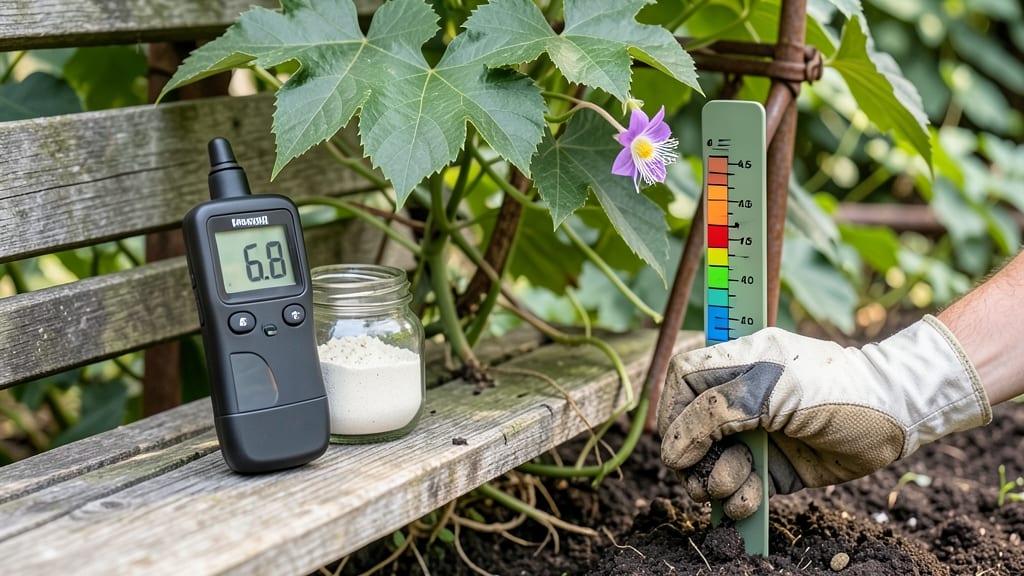
Growing thriving passionfruit 🍈 depends on getting the soil pH right—aim for a range of 5.5 to 7.0 to unlock the best nutrient uptake and fruit production.
Struggling with passionfruit vines that refuse to thrive? The secret might be hiding in your soil’s pH—getting this right can mean the difference between a meager harvest and a bountiful, sweet crop.
Too acidic or alkaline, and your passionfruit plants won’t absorb the nutrients they need, leading to weak growth, poor flowering, or even fruit drop. In tropical and subtropical regions (USDA zones 9-11), maintaining the ideal pH is especially critical for maximizing yields.
Below, I’ll walk you through how to test your soil’s pH, the best organic amendments to adjust it naturally, and common mistakes that could be sabotaging your harvest—so you can finally grow passionfruit like a pro.
Optimal soil pH for passionfruit growth: ranges, effects & plant health
Passionfruit vines (Passiflora edulis) thrive when their soil pH falls between 5.5 and 7.0. This range ensures optimal nutrient uptake, robust root development, and sweet, high-quality fruit.
Outside this window, your plants may struggle with stunted growth, yellowing leaves, or even fruit drop—leaving you with a disappointing harvest instead of a lush vineyard. Understanding how pH impacts your passionfruit is the first step to unlocking a bountiful crop.
I’ve seen firsthand how soil acidity or alkalinity can make or break a passionfruit harvest. When the pH is too low (below 5.5), essential nutrients like phosphorus and calcium become locked away, starving your plants.
Conversely, a pH above 7.0 can lead to iron and manganese deficiencies, causing yellowing leaves and weak stems. The key is finding that sweet spot where your passionfruit can access all the nutrients it needs to flourish.
Here’s what you need to know about the ideal pH range for passionfruit and how it directly affects every stage of growth—from sprouting to fruiting.
| pH Range | Nutrient Availability | Plant Health Impact | Signs of Imbalance |
|---|---|---|---|
| 5.5 - 6.0 | High phosphorus, moderate calcium | Strong root growth, vigorous vine | None (ideal range) |
| 6.1 - 7.0 | Balanced nutrients, high calcium | Optimal flowering, fruit sweetness | None (ideal range) |
| Below 5.5 | Low calcium, phosphorus locked out | Stunted growth, yellow leaves | Chlorosis (yellowing), weak stems |
| Above 7.0 | Iron/manganese deficiency | Poor fruiting, leaf scorch | Brown leaf edges, fruit drop |
At a pH of 6.0-6.5, passionfruit plants access the perfect balance of nutrients. This range supports root expansion, which is critical for anchoring those heavy vines and accessing water deep in the soil.
I’ve noticed that vines in this pH range also produce thicker, more abundant foliage, setting the stage for a higher yield of fruit. The leaves stay a vibrant green, and the stems remain sturdy—key indicators that your plant is thriving.
When pH dips below 5.5, your passionfruit plants may show signs of chlorosis, where leaves turn yellow between the veins while the veins stay green. This happens because the soil’s acidity binds nutrients like iron and manganese, making them unavailable even if they’re present in the soil.
Over time, this deficiency weakens the plant’s ability to produce energy through photosynthesis, leading to stunted growth and fewer flowers—and fewer fruits. In severe cases, the tips of new growth may even die back.
On the other hand, if your soil’s pH climbs above 7.0, you’ll likely see brown or crispy leaf edges, a condition known as leaf scorch. This occurs because alkaline soils reduce the availability of micronutrients like iron and zinc, which are essential for enzyme function in the plant.
Without these nutrients, your passionfruit may produce small, underdeveloped fruit or even drop flowers before they mature. The fruit that does form may also be less sweet and more fibrous, ruining the tropical flavor you’re after.
One of the most critical effects of pH imbalance on passionfruit is its impact on fruit quality. When the soil pH is ideal, the fruit develops a richer flavor and higher sugar content.
I’ve tasted passionfruit from vines grown in perfectly balanced soil, and the difference is night and day compared to fruit from imbalanced conditions. The skin is smoother, the pulp is more vibrant, and the aroma is intoxicating.
If you’re growing passionfruit for culinary use, getting the pH right isn’t just about quantity—it’s about quality.
Another often-overlooked aspect is how root development suffers in extreme pH conditions. Passionfruit roots need a slightly acidic to neutral environment to grow deeply and efficiently. In acidic soil (<5.5), roots may become tangled and weak, failing to explore the soil for water and nutrients.
In alkaline soil (>7.0), roots can become stunted or even develop lesions, making the plant more susceptible to diseases like root rot. Healthy roots are the foundation of a productive passionfruit vine, so maintaining the right pH is non-negotiable.
If you’re growing passionfruit in tropical climates, where soil can naturally lean toward acidity, you might need to monitor and adjust pH more frequently.
In temperate zones, where soils tend to be more alkaline, a gentle amendment with organic matter like compost can help bring the pH into the ideal range. Either way, regular testing is your best friend—don’t guess, because your harvest depends on it.
Next time you’re troubleshooting why
How to test & adjust soil pH for passionfruit: step-by-step guide
Testing and adjusting your soil pH for passionfruit is one of the most effective ways to boost vine health and fruit production. Passionfruit thrive in a slightly acidic to neutral range (5.5–7.0), but many gardeners accidentally plant them in soil that’s either too alkaline or acidic.
Without the right pH, your plants may struggle with nutrient deficiencies, weak growth, or poor flowering—even if you’re giving them plenty of water and sunlight.
Before you grab a shovel, know that adjusting pH isn’t just about throwing lime or sulfur into the soil. It’s about precision timing, organic vs. inorganic choices, and understanding how your local climate affects pH levels.
For example, sandy soils drain faster and may need more frequent adjustments, while clay soils can hold amendments longer. Let’s break this down into clear, actionable steps so you can get your passionfruit vines back on track.
Take samples from 3-5 spots in your garden, 4-6 inches deep. Mix them in a clean bucket for an average reading. Avoid areas near compost piles or fresh amendments.
DIY Test: Use a home pH kit ($10–$20) for quick results. Follow instructions to mix soil with distilled water, then compare the color to the chart. Lab Test: For accuracy, send samples to a cooperative extension service (costs ~$15–$30). They’ll analyze pH, nitrogen, phosphorus, and potassium—critical for passionfruit.
pH < 5.5: Too acidic. Add pelletized lime (organic) or hydrated lime (fast-acting). Aim to raise pH by 0.5 units per application. pH > 7.0: Too alkaline. Mix in elemental sulfur (organic) or aluminum sulfate (inorganic). Sulfur takes 2–3 months to work. pH 5.5–7.0: Ideal! Focus on adding compost or peat moss to improve soil structure.
For Acidic Soil (pH < 5.5): Sprinkle 1–2 lbs of lime per 100 sq ft and water deeply. Re-test in 2–3 months. For Alkaline Soil (pH > 7.0): Work 1–2 lbs of sulfur per 100 sq ft into the top 6 inches of soil. Water thoroughly. For Neutral Soil (5.5–7.0): Mix in 2–3 inches of compost to enrich organic matter and retain moisture.
Wait 4–6 weeks after amending, then retest. Adjust again if needed—passionfruit are sensitive to sudden pH shifts. In tropical climates, retest every 6 months due to rainfall’s natural acidifying effect.
Mulch with pine bark (slightly acidic) or compost to stabilize pH. Avoid over-fertilizing with synthetic nitrogen, which can acidify soil over time. Rotate crops if growing other plants in the same bed to prevent nutrient depletion.
Timing your adjustments is just as critical as the amendments themselves. For example, if you’re planting passionfruit in spring, aim to amend the soil 4–6 weeks beforehand so the pH has time to stabilize before roots establish.
In tropical climates, where rainfall can quickly wash away amendments, plan to retest and adjust every 3–6 months to keep your soil in the ideal range.
Remember, passionfruit vines are heavy feeders, so even with the perfect pH, they’ll need regular organic matter additions like composted manure or worm castings.
Think of pH adjustment as the foundation—once you’ve got that right, your vines will reward you with vibrant foliage, abundant flowers, and sweet, juicy fruit. 🍈
Pro tip: Keep a soil journal to track pH changes over time. Note when you amended, what you used, and how your passionfruit responded. This helps you fine-tune your approach for future seasons and ensures you’re always one step ahead of potential pH-related issues. ✂️