
Fertilization
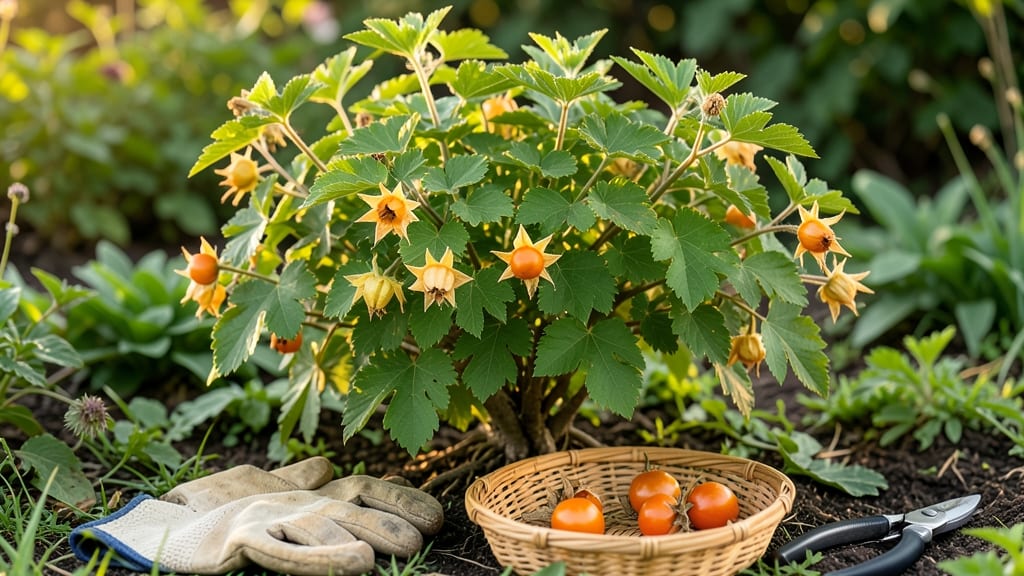
The star gooseberry fruit is one of those gardening secrets that delivers shockingly lush harvests with almost zero fuss. 🌱 I’ve grown this tropical vine for three seasons now, and it’s become my go-to for containers—no pruning required, just consistent fruit production that tastes like a mix of pineapple and tomato.
The key is mimicking its native climate in pots, and once you get the basics right, the plants practically reward you with fruit all summer long.
You’ll need a 5-gallon container or larger, well-draining soil mix, and a spot that gets 6-8 hours of sunlight daily—morning sun is ideal to prevent scorching. Water when the top inch of soil feels dry, but avoid soggy roots, which is where most growers go wrong.
The vines sprawl but stay manageable, and the papery lanterns that encase the fruit add a whimsical touch to any patio or balcony.
By midsummer, you’ll be harvesting bright orange fruits that burst with flavor, perfect for jams, desserts, or eating fresh straight off the vine. The plants even handle mild frost better than you’d expect, making them surprisingly versatile for cooler climates too.
Once established, they fruit reliably with minimal effort—just keep the soil moist and feed lightly every 4-6 weeks.
Here’s the best part: no pruning means no stress, and the vines thrive in containers, so even renters can grow them. Start with seeds or young plants in early spring, and by late summer, you’ll have a vine that’s both productive and pretty—without the upkeep of traditional fruit-bearing plants.
📚 In This Guide
- What you need
- Instructions
- Tips and common mistakes
- Wrapping up and next steps
What you need
- ● Star Gooseberry Cuttings or Seeds: 1-2 healthy cuttings (4-6 inches long) or 5-10 seeds (if starting from scratch).
- ● Well-Draining Potting Mix: 5-10 gallons (for containers) or amended garden soil (for in-ground planting). Mix with perlite or coarse sand (20-30% ratio) for aeration.
- ○ Containers (Optional but Recommended): 1-2 10-15 gallon pots with drainage holes (if growing in containers).
- ● Fabric grow bags (alternative for better root aeration).
- ● Fertilizer: Balanced liquid fertilizer (10-10-10 NPK ratio) for initial growth.
- ● Slow-release granular fertilizer (for long-term nutrition, 3-4 months’ supply).
- ● Pruning Shears or Sharp Knife: Sterilized tools for trimming (if minimal pruning is needed).
- ● Support Stakes or Trellis: 1-2 6-foot bamboo stakes or a lightweight trellis (for climbing vines).
- ● Mulch: Organic mulch (straw or wood chips) to retain moisture and suppress weeds.
- ● Rooting Hormone: Speeds up cutting propagation.
- ● pH Test Kit: Ensures soil pH is 6.0-7.0 (ideal for star gooseberry).
- ● Drip Irrigation System: For consistent moisture (especially in hot climates).
- ● Epsom Salt: Occasional magnesium boost (1 tbsp per gallon of water, monthly).
- ● Insecticidal Soap: For pest control (aphids or spider mites).
Step-by-step instructions for growing star gooseberry in containers
Here's how to cultivate this tropical vine's sweet, star-shaped berries—no pruning required!
🌱 Step 1: Select the Right Container and Soil Mix
Choose a 5-gallon container with drainage holes—star gooseberry vines need room to sprawl but also excellent drainage. I like fabric grow bags because they prevent root circling while still allowing airflow. Fill the bottom third with orchid bark mix for aeration, then add a high-quality potting mix blended with 20% perlite to keep roots from waterlogging.
This vine hates soggy conditions, so the orchid bark prevents compaction while the perlite ensures excess water drains quickly. Tap the container gently after filling to settle the mix without compacting it—you want fluffy soil that feels like a damp sponge, not wet sand.
☀️ Step 2: Position for Warmth and Indirect Light
Star gooseberry thrives in bright, indirect light—think east or west-facing windows where morning or afternoon sun grazes the leaves without scorching. If your space only has south light, place the container 6 feet away to filter the intensity. You'll notice leaves turning yellow or crispy if the light is too harsh, so adjust gradually.
Ideal temperatures stay between 65-85°F—this vine won't tolerate drafts or cold snaps below 50°F. During winter, move it near a south-facing window or use a grow light for 12 hours daily to maintain growth. Watch for new leaves curling inward—that's a sign it's getting too cold.
💧 Step 3: Water Deeply but Infrequently
Water only when the top 2 inches of soil feel dry—this vine stores moisture in its thick stems, so overwatering is the fastest way to kill it. Stick your finger in the soil: if it's damp past your first knuckle, wait another day. When you do water, soak thoroughly until water runs from the drainage holes, then empty the saucer to prevent root rot.
Mist the leaves weekly during dry spells to mimic humidity levels of its tropical origins. You'll see glossy, vibrant leaves when humidity is right—dull or crispy edges mean the air is too dry. In winter, reduce watering to every 10-14 days as growth slows.
🌿 Step 4: Fertilize Lightly During Growing Season
Use a balanced liquid fertilizer (10-10-10) diluted to half-strength every 4-6 weeks from spring to early fall. Star gooseberry is sensitive to salt buildup, so flush the soil with water after fertilizing to prevent chemical burn. You'll notice lush, dark green leaves when feeding properly—pale or yellowing foliage means it's time to skip a feeding.
Avoid high-nitrogen fertilizers—they encourage leafy growth at the expense of fruit. Instead, switch to a low-nitrogen, high-phosphorus formula (like 5-10-5) when you see flower buds forming to boost fruiting. Stop fertilizing entirely in late fall and winter when the plant enters dormancy.
⏰ Step 5: Support Growth and Harvest Berries
Train the vine to climb a trellis or sturdy bamboo stake as it grows—this keeps the sprawling stems organized and makes harvesting easier. Tie stems loosely with soft plant ties every 6-8 inches to prevent damage. You'll see star-shaped flowers appear in late spring, followed by small, tart berries that ripen to a deep red in 8-12 weeks.
Harvest berries when they're fully colored but still slightly firm—they won't soften much after picking. Twist gently to remove the fruit without pulling the stem. Store in the fridge for up to 5 days or freeze for longer storage. If birds or pests appear, cover the plant with fine netting—this vine produces so much fruit that wildlife will find it quickly.
Tips & tricks for growing star gooseberry fruit in containers
These simple strategies will help your tropical vine thrive—even if you're new to container gardening.
Container Selection: While the instructions recommend a 5-gallon container, you can start with a slightly smaller 3-gallon pot for young plants. Just be prepared to upgrade within 6 months as the vine's sprawling habit demands space. I've seen star gooseberries thrive in fabric grow bags up to 7 gallons, which prevent root circling while still allowing excellent drainage.
Soil Mix Insight: The 20% perlite ratio is crucial for preventing waterlogging, but don't stop there—add a handful of worm castings to the potting mix. This boosts microbial activity without risking overwatering. The orchid bark at the bottom creates perfect aeration, but if you can't find it, substitute with coarse coconut coir. Remember to tap the container gently after filling—this settles the mix without compacting it like you would with regular soil.
Light Adjustment: If your space only offers south-facing windows, place the container 8 feet back instead of 6 to filter the intensity. You'll notice leaves developing yellow or crispy edges when they're getting too much direct sun—this is your plant's way of saying "too hot!" For winter light support, a simple LED grow light on a timer for 12 hours daily works wonders. I've kept mine going year-round with this setup, and the vine never missed a beat.
Fertilizer Timing: The 4-6 week feeding schedule is perfect, but here's the secret: flush the soil with water after every third feeding to prevent salt buildup. I use a spray bottle to gently rinse the top inch of soil, then let it dry completely before the next feeding. When you see those star-shaped flowers appear, switch immediately to a low-nitrogen, high-phosphorus formula—this is what triggers the fruiting process. Stop fertilizing entirely in late fall when the plant enters dormancy, even if it still looks green.
Pro Tips for Star Gooseberry Fruit
- These simple strategies will help your tropical vine thrive—even if you're new to container gardening.
- Container Selection: While the instructions recommend a 5-gallon container, you can start with a slightly smaller 3-gallon pot for young plants.
- Soil Mix Insight: The 20% perlite ratio is crucial for preventing waterlogging, but don't stop there—add a handful of worm castings to the potting mix.
Frequently asked questions
Got questions about growing and enjoying star gooseberry fruit? You’re not alone! Here are some of the most common queries—plus quick, actionable answers to help you cultivate this tropical gem like a pro.
How long does it take for a star gooseberry plant to bear fruit?
The wait is worth it! Star gooseberry plants (Pereskia aculeata) typically take 1–2 years to mature enough to produce fruit, depending on growing conditions. With proper sunlight (6+ hours daily), well-draining soil, and consistent watering, you might see your first star-shaped berries by the second year. Patience pays off—these vines reward dedication with bold, edible (when cooked) fruits!
Can I grow star gooseberry in a container, and what size pot do I need?
This vine thrives in containers, making it perfect for balconies or patios. Use a 10–15 gallon pot with drainage holes to prevent root rot. Ensure the container is at least 12 inches deep and wide enough to support its sprawling growth (up to 10+ feet). Add a trellis or stakes early to guide the vine upward and save space. Pro tip: Repot every 2–3 years to refresh the soil!
Are star gooseberries safe to eat raw, or do they need cooking?
Here’s the catch: raw star gooseberries are toxic due to solanine, a compound that can cause nausea or digestive upset. However, cooking neutralizes the toxin, making them safe to eat! Simmer them in sauces, jams, or syrups (like a tropical twist on gooseberry fool). Always cook them thoroughly—think 10+ minutes of boiling to be safe.
Why aren’t my star gooseberry fruits forming, even though the plant looks healthy?
Fruit formation can be tricky! Check these common culprits:
- Lack of pollination: Hand-pollinate with a small brush if bees aren’t visiting.
- Insufficient sunlight: Move your plant to a south-facing window or supplement with grow lights (12+ hours/day).
- Nutrient deficiency: Feed with a balanced fertilizer (10-10-10) during blooming season (spring/summer).
- Temperature stress: These vines prefer 70–85°F. Avoid drafts or sudden cold snaps.
What’s a good alternative if I can’t grow star gooseberry in my climate?
If your zone isn’t tropical enough (USDA Zones 9–11), try these low-maintenance, edible vines:
- Passionfruit (Passiflora edulis): Thrives in containers, produces vibrant fruit, and tolerates partial shade.
- Hardy kiwi (Actinidia arguta): Cold-hardy (Zones 4–8), fast-growing, and yields sweet berries.
- Grape (Vitis vinifera): Classic choice—disease-resistant varieties like Concord do well in pots.
Wrapping up and next steps
Growing star gooseberry fruit in containers is a rewarding adventure—especially when you skip the pruning and focus on the right fertilization! 🌱 With the right soil, nutrients, and a little patience, you’ll soon enjoy this tropical vine’s delicious, tangy-sweet fruits and lush foliage.
Whether you’re a beginner or a seasoned gardener, this vine’s adaptability makes it a fantastic addition to your space.
Ready to take the next step? Start by monitoring your plant’s growth and adjusting fertilization as needed—your star gooseberry will thank you with vibrant blooms and bountiful harvests! 🌟