
Vegetables
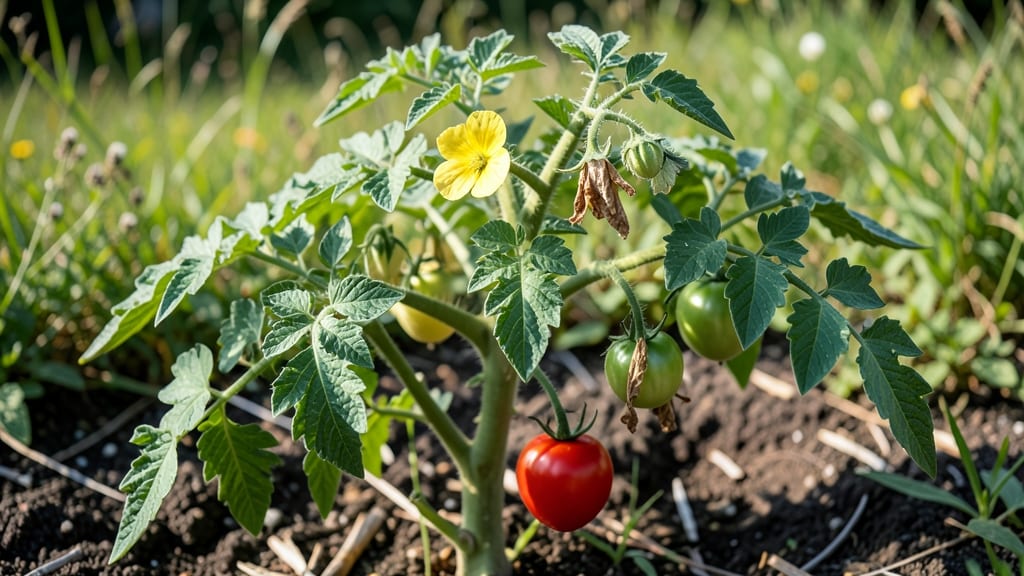
Understanding tomato flower to fruit stages turns a hit-or-miss harvest into a predictable bounty. 🌱 The journey from first bloom to ripe tomato follows a precise timeline—if you know what to watch for and how to support each stage.
I've tracked every phase since my first garden, and the difference between guessing and knowing is the difference between a few tomatoes and a bushel.
The process starts with pollination, where tiny pollen must travel from the flower's male anthers to the female stigma. This creates the fruit—what we call the tomato—while the flower itself drops away.
Temperature, humidity, and even gentle breezes influence this step, which is why some flowers set fruit while others don't. Once pollinated, the ovary swells into a tiny green fruitlet, growing rapidly over 3-5 days before settling into its full-size growth pattern.
What you end up with is a timeline of growth stages: from the first visible fruit set to the 50-85 days it takes for that green tomato to ripen, depending on the variety.
The key is recognizing when each stage needs attention—whether that's protecting blossoms from cold snaps, ensuring proper watering, or shielding young fruit from pests. The payoff? A garden that produces consistently, not sporadically.
This method works for any tomato variety, from cherry to beefsteak, and adapts to containers or in-ground gardens. The only requirement is patience—and a little know-how to nudge the process along when nature needs a helping hand.
📚 In This Guide
- What you need
- Instructions
- Tips and common mistakes
- Wrapping up and next steps
What you need
- ● Tomato plants: Disease-resistant varieties (e.g., Celebrity, Roma, or Cherry) with healthy flowers. (1-5 plants, depending on yield goals.)
- ● Pruning shears: Sharp, sterilized shears (for removing suckers or dead blooms). (1 pair.)
- ● Garden journal/notebook: For logging bloom dates, fruit sets, and growth notes. (1.)
- ● Permanent markers or labels: Waterproof, for marking plants/stages. (1 pack.)
- ● pH testing kit: Soil pH 6.0–6.8 is ideal for fruit development. (1 kit.)
- ● Organic fertilizer: Balanced (e.g., 10-10-10) or tomato-specific (high in potassium/phosphorus). (1 bag.)
- ● Watering can or drip irrigation: Consistent moisture (1–2 inches/week). (1.)
- ○ Gloves (optional but recommended): Protect hands from thorns and soil. (1 pair.)
- ● Growth charts or apps: Track stages visually (e.g., Gardenate or PlantNet).
- ● Pollination aids: Small paintbrush or bee-friendly habitat to boost fruit set.
- ● Shade cloth: Protect flowers from extreme heat (if temps exceed 90°F/32°C).
- ● Calcium supplement: Prevents blossom-end rot (e.g., crushed eggshells or calcium nitrate).
- ● Humidity tray: For indoor/container growing to mimic greenhouse conditions.
Understanding tomato flower to fruit stages
Here's how to track your plants' journey from first bloom to ripe fruit—so you never miss a critical step.
🌸 Step 1: Identify the Perfect Flower
The process begins when you spot a healthy tomato flower with fully opened petals. Look for flowers that are bright yellow or white, not browned or wilted. These flowers should appear on the plant's main stem or side branches, typically after 4-6 weeks of growth. The flower's center should be slightly raised and covered in tiny yellow stamens—this is where pollination will happen.
Real talk: Not every flower will set fruit, especially in cool weather. I always check for flowers with a slightly swollen center—they're the ones most likely to develop into tomatoes. If your flowers drop off without swelling, your plant may need better pollination or warmer temperatures.
☀️ Step 2: Watch for Pollination and Fruit Set
After a flower opens, pollination occurs naturally when bees or wind transfer pollen from the stamens to the pistil. You'll know pollination worked when the flower's petals start to yellow and fall off within 2-3 days. What remains is a tiny green fruit, about the size of a pea—this is called the "fruit set."
If your flowers aren't setting fruit, try gently shaking the plant near the blooms (mimicking wind pollination) or use a small paintbrush to transfer pollen manually. I've found that early morning or late afternoon is the best time for this—flowers are fresh and more receptive. Keep an eye out for tiny green bumps forming where the flowers were.
🍅 Step 3: Track the Green Fruit Stage
Once the fruit is set, it will grow rapidly over the next 2-4 weeks, turning from pea-sized to golf-ball-sized. During this stage, the fruit is firm and green, and you'll notice new leaves growing above it. This is when your plant is directing energy into expanding the fruit's size. Water consistently—about 1-2 inches per week—to support this growth, but avoid wetting the leaves to prevent disease.
Here's the thing—if your fruits start turning yellow or dropping off at this stage, they're not getting enough water or nutrients. I always check the soil moisture by sticking my finger in about 1 inch deep; if it's dry, it's time to water. Also, make sure your plant has enough sunlight—tomatoes need at least 6-8 hours of direct sun daily.
🌞 Step 4: Monitor Color Change and Ripening
As the fruit nears maturity, its color will begin to shift from green to its variety-specific hue—red, yellow, orange, or even purple. This color change happens because the chlorophyll breaks down and other pigments take over. The fruit will also soften slightly and may develop a slight sheen. This stage can take anywhere from 7-21 days, depending on the tomato variety and growing conditions.
Don't rush to pick your tomatoes just because they're changing color. A fully ripe tomato will pull away easily from the vine and have a rich, sweet smell at the stem. If you pick them too early, they won't develop their full flavor. I like to check for ripeness in the morning when the fruit is cool and firm.
⏰ Step 5: Harvest at Peak Ripeness
The final stage is harvesting your tomatoes when they're fully ripe. Gently twist the fruit until it separates from the vine—it should come off cleanly without tearing. If it resists, it's not quite ready. Harvest in the morning to preserve flavor and texture. Store ripe tomatoes at room temperature, away from direct sunlight, for best results.
Once you've harvested, don't toss those vines just yet! If your plant is still healthy, you can continue to harvest any remaining fruits. I've had plants produce for months if given the right care. Keep an eye out for new flowers—sometimes a second flush of blooms will appear, giving you another chance for fruit.
Tips & tricks for perfect tomato growth stages
These practical insights will help you navigate each stage of tomato development with confidence and precision.
Flower Selection: In Step 1, focus on flowers with fully opened petals that appear bright and healthy. I've found that flowers with a slightly swollen center are the most promising—they're more likely to set fruit. Confession: I skipped this step for years and wondered why some flowers never produced tomatoes. The swollen center is your best indicator of potential success.
Pollination Assistance: If your flowers aren't setting fruit in Step 2, try this trick: Use a small paintbrush to gently transfer pollen from one flower to another in the early morning. I've had great success with this method, especially in greenhouses where bees are scarce. The 2-3 day window for petal drop is critical—don't wait too long to check for tiny green bumps.
Growth Monitoring: During the 2-4 week green fruit stage (Step 3), pay attention to leaf growth above the fruit. This is your plant's way of telling you it's focusing energy on fruit development. If you notice yellowing leaves or fruits dropping, check soil moisture by sticking your finger about 1 inch deep—this is your early warning system for water stress.
Harvest Timing: For Step 5, harvest in the morning when tomatoes are cool and firm. I've learned the hard way that picking too early results in bland tomatoes. The rich, sweet smell at the stem is your final indicator—trust your nose! Store ripe tomatoes at room temperature, away from direct sunlight, to maintain their quality.
Pro Tips for Tomato Flower To Fruit Stages
- These practical insights will help you navigate each stage of tomato development with confidence and precision.
- Flower Selection: In Step 1, focus on flowers with fully opened petals that appear bright and healthy.
- Pollination Assistance: If your flowers aren't setting fruit in Step 2, try this trick: Use a small paintbrush to gently transfer pollen from one flower to another in the early morning.
Frequently asked questions
Got questions about transforming tomato flowers into juicy, ripe fruit?
You’re not alone! Here are answers to the most common queries gardeners ask—from timing to troubleshooting—so you can grow tomatoes like a pro.
How long does it take for a tomato flower to turn into a fruit?
Most tomato flowers take 5–10 days to set fruit after pollination, but full ripening depends on the variety. Cherry tomatoes may ripen in 20–30 days, while heirlooms can take 70–90 days or longer. Warmth, sunlight, and consistent watering speed up the process!
Why aren’t my tomato flowers turning into fruit?
If flowers drop or fruit fails to form, check these culprits:
- Poor pollination: Hand-pollinate with a soft brush on cloudy days or windless mornings.
- Temperature stress: Flowers drop below 55°F (13°C) or above 95°F (35°C).
- Lack of water/nutrients: Ensure steady moisture and balanced fertilizer (high in phosphorus).
Can I speed up the ripening process?
Yes! Use these tricks to rush ripening (especially for late-season harvests):
- Move green tomatoes to a warm, sunny spot (like a windowsill or greenhouse).
- Wrap unripe fruit in newspaper to trap ethylene gas (a natural ripening hormone).
- Apply a banana peel tea (steep peels in water for 24 hours, then spray).
What’s the best way to tell if a tomato is truly ripe?
Ripeness varies by type, but look for these signs:
Tomato Type
Ripe Indicators
Heirloom (e.g., Brandywine)
Deep, even color (red, yellow, etc.), slight softness, and a sweet aroma near the stem.
Cherry/Beefsteak
Firm but yielding skin, vibrant color, and a glossy sheen.
Greenhouse/Indeterminate
Color change + slight cracking at the blossom end (overripe if mushy).
Pro tip: Gently squeeze—ripe tomatoes should give slightly but not squish like overripe fruit.
Can I save tomato flowers that fall off?
Unfortunately, once a tomato flower drops, it won’t produce fruit—but you can prune strategically to boost remaining blooms! Remove fallen flowers at the base to redirect energy to existing fruit. For heavy drop-off, check for pests (like hornworms) or fungal issues (like blight) and treat accordingly.
Wrapping up and next steps
Understanding the tomato flower to fruit stages transforms you from a gardener to a harvest master! From pollination to ripening, each step is a chance to nurture—and troubleshoot—your plants for the juiciest, most flavorful tomatoes. 🌱✨
Now that you’re armed with the bloom-to-ripe timeline, put your knowledge into action!
Start by monitoring your plants closely, and don’t hesitate to experiment with pollination tricks or soil adjustments. Your next step? Try growing a variety you’ve never attempted—like heirlooms or cherry tomatoes—and observe how the stages unfold in your unique garden conditions.