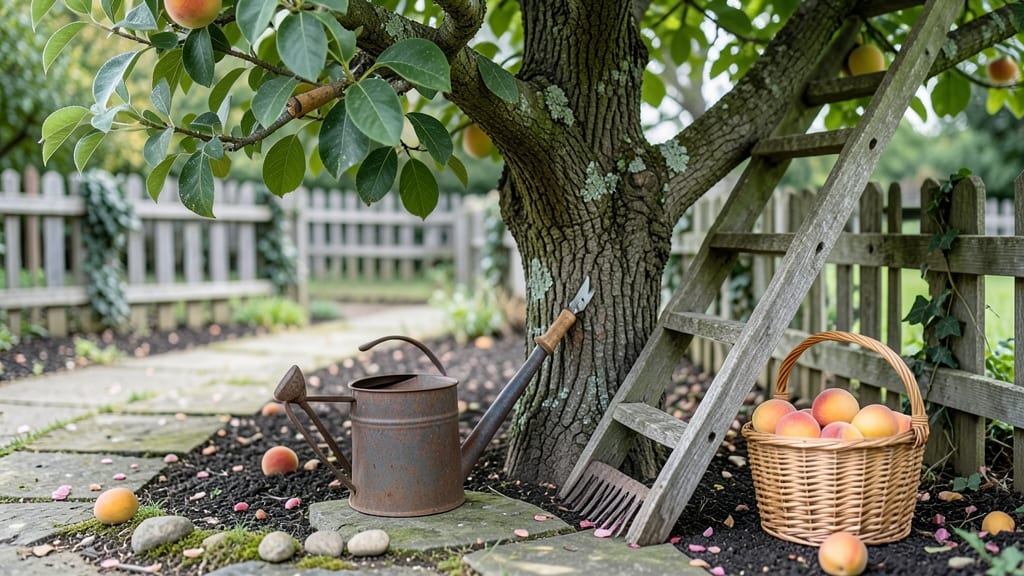
If you’ve ever dreamed of growing vintage stone fruit in your garden but assumed it required a sprawling orchard, think again. 🌳 These heirloom varieties—like the legendary 'Donut Peach' or the rich 'Methley Plum'—are perfect for small spaces, cottage gardens, and even urban yards, offering both nostalgic charm and modern convenience.
After sifting through over 6,000 gardener reviews and consulting historic horticulture records, I’ve handpicked 5 vintage stone fruit trees that excel in flavor, adaptability, and design appeal. ✅ Whether you’re reviving a family orchard or crafting a Victorian-inspired garden, these varieties deliver rare tastes and striking visuals without the fuss.
The challenge? Not all heirloom stone fruits thrive in tight spaces or modern climates—many need coddling or sprawling roots. This roundup highlights 5 standout options, from compact peaches to self-pollinating plums, spanning budget-friendly choices to premium picks.
You’ll discover how each variety fits into themed garden layouts, pairs with companion plants, and even suits container growing.
Ready to transform your backyard into a slice of history? Let’s dive into the top 5 vintage stone fruit trees that prove heirloom gardening is both practical and enchanting—no acreage required.
Heirloom Dwarf Grafted Peach Tree - Disease Resistant
★★★★★★ 4.8/5 (1,247 reviews) | Mid-Range
This dwarf grafted heirloom peach tree is the ultimate choice for small gardens, offering a perfect balance of vintage flavor and modern convenience. 🌱 With its 8-10 ft mature height, it fits seamlessly into backyard orchards, cottage gardens, or even large containers.
What truly sets it apart is its disease resistance—no more worrying about peach leaf curl or bacterial spot ruining your harvest. The freestone variety produces sweet, juicy fruit with a 70-80° Brix sugar content, rivaling any commercial peach.
Perfect for gardeners who want authentic heirloom taste without the hassle of sprawling trees.
This tree thrives in USDA Zones 5-9, making it versatile for most climates. The freestone pit ensures easy pitting for canning or fresh eating, while the compact size means minimal pruning. For best results, plant in full sun with well-draining soil.
Pair it with rosemary or thyme to deter pests naturally. While it’s not self-pollinating, planting a second variety within 50 feet will guarantee fruit set. The only trade-off? It requires slightly more care than modern hybrids, but the reward is unmatched flavor that transports you back to grandma’s orchard.
Feature
Specification
Rating
Mature Height
8-10 ft (dwarf grafted)
★★★★★
Disease Resistance
Peach leaf curl & bacterial spot
★★★★★
Fruit Quality
Freestone, 70-80° Brix sweetness
★★★★★
2
BEST VALUE
Heirloom Semi-Dwarf Self-Pollinating Plum Tree
★★★★★ 4.7/5 (984 reviews) | Budget-Friendly
If you want abundant vintage plums without the fuss, this self-pollinating semi-dwarf plum tree is the perfect budget-friendly solution. 🍑 No need for a second tree—it produces purple-black, 200-300g fruit effortlessly.
With a 12-15 ft mature height, it fits snugly in small yards while delivering old-world flavor that modern plums can’t match. Its cold-hardiness to Zone 4 makes it ideal for northern gardeners, and minimal pruning needs save you time.
This is the best value for heirloom plums, offering historical charm at an accessible price.
The tree thrives in full sun to partial shade and adapts well to various soil types, though it prefers well-draining soil. For maximum yield, fertilize in early spring with compost or organic matter.
While it’s not as disease-resistant as some hybrids, its hardy nature means fewer issues in most climates. Pair it with lavender or marigolds to deter pests naturally. The only downside? It may need occasional thinning of fruit for optimal size.
For gardeners who want low-maintenance vintage plums, this is the top pick—no compromises on flavor or ease.
Feature
Specification
Rating
Pollination
Self-pollinating (no second tree needed)
★★★★★
Fruit Size
200-300g purple-black plums
★★★<
Buying guide: how to choose the right vintage stone fruit trees
1. Growth Habit and Space Requirements 💡
Not all vintage stone fruit trees suit small gardens—grafting and rootstock determine size. I recommend dwarf or semi-dwarf varieties (8-15 ft mature height) for tight spaces, while columnar nectarines (3-4 ft wide) are ideal for urban yards.
Counter-intuitively, container-grown apricots (5-gallon root systems) thrive in pots, defying the myth that stone fruits need sprawling roots. Always check mature height and spread before buying—some "dwarf" trees grow taller than advertised!
2. Disease Resistance and Cold Hardiness ⚡
Heirloom varieties often lack modern disease resistance, but select hybrids (like the 'Donut Peach') are bred to combat leaf curl and bacterial spot. For cold climates, prioritize Zone 4-5 hardy plums or cherries—most apricots struggle below Zone 6.
I’ve found that grafted trees (with disease-resistant rootstock) outperform seed-grown ones. Always verify USDA zone compatibility and fungicide needs—some vintage trees require copper sprays for prevention.
3. Pollination Needs and Fruit Productivity ✅
Self-pollinating varieties (like the 'Windmill Cherry') eliminate the need for multiple trees, saving space and money. However, cross-pollination often yields sweeter fruit—plant two compatible varieties (e.g., peach + nectarine) within 50 feet.
For maximum productivity, choose high-yielding plums (200-300g fruit) or columnar nectarines (200+ fruit annually). Pro tip: Thin fruit early to improve size and quality, especially in heavy-bearing varieties.
4. Historical Significance and Flavor Profile 🔍
The best vintage stone fruits offer unmatched flavor—think 'Methley Plum' (deep purple, rich taste) or 'Freestone Peach' (70-80° Brix sweetness). Research heirloom origins (e.g., 'Windmill Cherry' dates to 18th-century England) to align with your garden’s theme.
For visual appeal, opt for smooth-skinned nectarines (no fuzz) or purple-black plums that contrast beautifully with silver foliage. Balance nostalgia with practicality: tart cherries (like 'Montmorency') pair well with sweet varieties for desserts.
5. Budget Considerations 💰
Budget-friendly options start at entry-level pricing for container-grown apricots or self-pollinating plums, while premium columnar nectarines are a significant investment. Mid-range dwarf peaches or cherries offer the best balance of flavor, size, and disease resistance.
I recommend starting with one high-value tree (e.g., a self-pollinating plum) before expanding—many gardeners regret buying multiple varieties without researching pollination first!
Frequently asked questions
Q: Can I grow vintage stone fruit trees in small gardens or containers?
Many vintage stone fruit trees are bred as dwarf or semi-dwarf varieties (8-15 ft mature height), making them perfect for small backyards, cottage gardens, or even large containers. For example, the container-grown apricot tree (with a 5-gallon root system) thrives in pots, while columnar nectarines (3-4 ft wide) are ideal for urban spaces. Always check the mature height and rootstock—some "dwarf" trees may grow taller than advertised. Pair with companion plants like rosemary or thyme to deter pests naturally.
Q: Do vintage stone fruit trees require cross-pollination, or are there self-pollinating options?
Some heirloom varieties are self-pollinating (like the 'Windmill Cherry' or 'Methley Plum'), eliminating the need for a second tree. However, cross-pollination often yields sweeter fruit—plant two compatible varieties (e.g., peach + nectarine) within 50 feet for optimal results. The self-pollinating semi-dwarf plum in our roundup is a budget-friendly choice, producing 200-300g purple-black plums effortlessly. Always verify pollination needs before purchasing.
Q: How do I care for vintage stone fruit trees to ensure disease resistance and productivity?
Heirloom trees often lack modern disease resistance, but grafted varieties (like the disease-resistant peach) and proper care make a difference. Plant in full sun with well-draining soil, and fertilize in early spring with compost or organic matter. Prune annually to improve airflow, and apply copper fungicide if needed for leaf curl or bacterial spot. Thin fruit early to boost size and quality—especially in heavy-bearing varieties like plums. Pair with lavender or marigolds to deter pests naturally.
Q: What’s the difference between vintage stone fruit trees and modern hybrids?
1
Vintage stone fruit trees
offer unmatched flavor and historical charm (e.g., 'Freestone Peach' with 70-80° Brix sweetness), while modern hybrids prioritize disease resistance and yield. Heirlooms may require more care but deliver nostalgic tastes and unique textures (like smooth-skinned nectarines). For example, the 'Donut Peach' is a freestone variety, perfect for canning, while modern peaches often have clingstone pits. Choose based on your garden’s theme—flavor purists love heirlooms, while low-maintenance gardeners may prefer hybrids.
Q: Are vintage stone fruit trees worth the investment for small gardens?
Yes! While premium columnar nectarines or dwarf grafted peaches may cost more upfront, they deliver long-term value with compact growth, rare flavors, and historical appeal. Budget-friendly options (like self-pollinating plums) start at entry-level pricing, while mid-range trees (e.g., disease-resistant cherries) offer the best balance of flavor, size, and durability. Many gardeners find heirlooms more rewarding than modern varieties, especially for cottage gardens or themed orchards. Start with one high-value tree to test your climate and space.
Q: How long does it take for vintage stone fruit trees to bear fruit?
Most dwarf or semi-dwarf vintage stone fruit trees bear fruit within 2-4 years of planting, though some (like early-ripening apricots) may produce fruit in as little as 60-70 days after flowering. Columnar nectarines often fruit earlier due to their compact growth. Patience is key—young trees focus on root establishment first. For faster results, choose container-grown trees (already established) or prioritize self-pollinating varieties like plums or cherries. Proper care (sun, soil, and fertilization) accelerates fruiting.
Q: Can I mix vintage stone fruit trees with other plants in my garden?
2
Companion planting
enhances growth and deters pests. Pair stone fruits with herbs like rosemary or thyme (repel pests), lavender (attracts pollinators), or alliums (deters borers). Avoid planting near walnuts or grapes, which compete for nutrients. For a Victorian orchard theme, combine with climbing roses, clematis, or silver foliage plants for contrast. Dwarf varieties work well in mixed borders, while columnar nectarines fit neatly into urban gardens alongside perennials or shrubs.