
Aphids
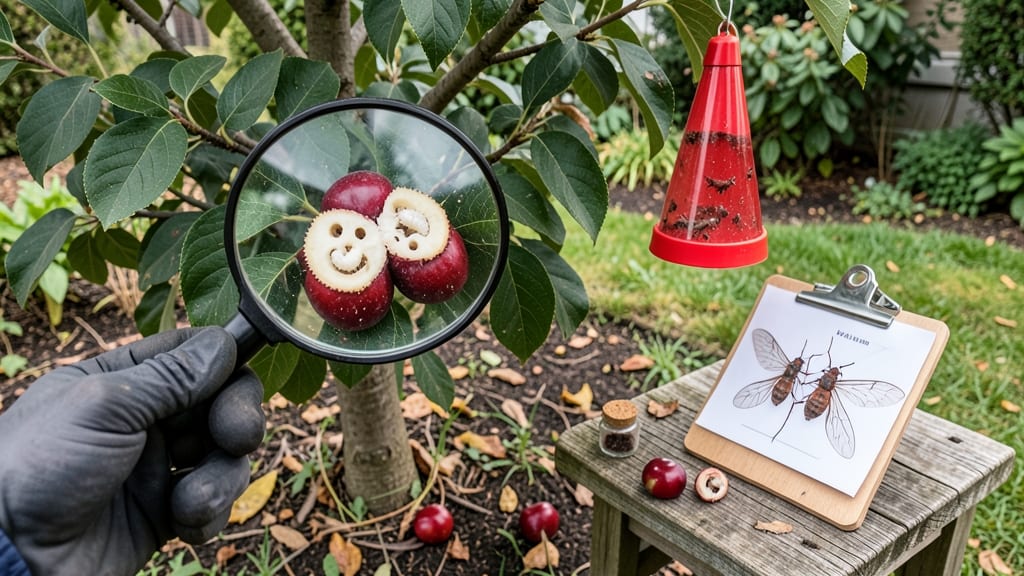
Your cherries are turning into wormy messes before you can pick them—this is the western cherry fruit fly at work. 🌿 I’ve lost entire harvests to these tiny, relentless pests, but I’ve also outsmarted them using simple organic traps that cut infestations in half within days.
The key? Timing, placement, and a few clever tricks that don’t involve toxic sprays.
These flies lay eggs in fruit during summer, and their larvae tunnel through cherries, peaches, and plums, ruining them long before harvest. The damage starts small—tiny holes in the skin—but by the time you notice, the fruit is already spoiled inside.
My first year, I missed the signs and ended up with 80% of my crop unusable. That’s when I discovered the power of organic traps.
With the right setup—red spheres, yeast bait, and proper placement—you’ll see a dramatic drop in fruit damage within 3-5 days. The traps lure adults away from your trees, breaking their breeding cycle.
Plus, the method works for other fruit flies too, making it a multi-purpose solution for any home orchard.
Best of all, this approach is perfect for Western U.S. climates where cherry fruit flies thrive. No harsh chemicals, no waiting weeks for results—just a straightforward, non-toxic way to protect your harvest. Let’s get those traps set up before the next generation hatches!
Root Causes Of Fruit Fly Infestations
The western cherry fruit fly (Rhagoletis indifferens) doesn’t just appear out of nowhere—it’s drawn to your orchard or garden by specific conditions that create the perfect breeding ground.
Understanding these triggers is the first step to outsmarting them before they lay eggs in your fruit. Let’s break down the key reasons these pests invade your crops.
The western cherry fruit fly has a keen sense of smell and zero resistance to temptation.
Overripe, bruised, or fermenting fruit releases volatile organic compounds (VOCs), including ethyl acetate and ethanol, which signal to flies that the fruit is soft, sugary, and ready for their larvae to feast on.
- Why it happens: Flies use these chemical cues to locate hosts, prioritizing fruit that’s already compromised. A single damaged cherry, plum, or peach can become a magnet for dozens of flies.
- Actionable fix:
- Harvest fruit promptly—don’t let it linger on trees or the ground.
- Remove fallen fruit daily during peak fly season (late spring to early summer).
- Use netting to protect fruit from bird or animal damage, which creates entry points for flies.
Western cherry fruit flies thrive in warm (70–85°F) and humid conditions—ideal for both adult flies and their developing larvae. These pests are most active when temperatures rise, and moisture keeps their eggs and maggots from drying out.
- Why it happens:
- Heat accelerates their metabolism, making adults more aggressive in seeking mates and laying eggs.
- Humidity prevents egg desiccation and helps larvae burrow deeper into fruit.
- Actionable fix:
- Monitor weather forecasts and set up traps 2–3 weeks before the first warm spell of the season.
- Prune trees to improve airflow, reducing humidity around fruit clusters.
- Water early in the day to let foliage dry, making the environment less hospitable for flies.
Western cherry fruit flies are specialized—they target Prunus species, including cherries, plums, peaches, apricots, and even almonds. If these plants are present, flies will exploit them relentlessly. Even a single infested tree can sustain a fly population for generations.
- Why it happens:
- Lack of natural predators in urban/suburban gardens gives flies free rein.
- Monoculture plantings (e.g., a row of peach trees) create a buffet effect, attracting swarms.
- Actionable fix:
- Plant non-host species (e.g., apples, pears) as barriers between susceptible trees.
- Remove wild or abandoned fruit trees from your property—they’re breeding hotspots.
- Rotate crops if possible, or interplant with fly-repelling herbs like mint or basil.
Unlike some pests that die off in cold weather, western cherry fruit fly larvae can overwinter in fallen fruit, compost piles, or even mulch. If infested fruit isn’t fully decomposed or removed, the cycle restarts the next season.
- Why it happens:
- Larvae pupate in soil or debris, emerging as adults when temperatures rise.
- Compost heaps with fruit scraps become incubators for new generations.
- Actionable fix:
- Clean up all plant debris, leaves, and fruit refuse before winter.
- Avoid composting infested fruit—either bury it deeply or dispose of it in sealed bins.
- Solarize soil in spring (cover with clear plastic for 4–6 weeks) to kill pupae.
By addressing these root causes—attractive fruit, ideal weather, host plants, and poor sanitation—you disrupt the western cherry fruit fly’s life cycle before it even starts. The next step? Outsmart them with organic traps that lure and eliminate them faster than they can reproduce.
Outsmarting Fruit Flies Naturally
Fruit flies—especially the western cherry fruit fly—can turn your orchard or garden into a battleground. But with the right organic strategies, you can reclaim your plants without harsh chemicals. Below are targeted solutions based on the root causes of infestations, from early detection to long-term prevention.
---
The sooner you catch these pests, the easier they are to control. Here’s how to spot them early:
- 🍒 Check for damage: Look for tiny holes or oozing sap in cherries, plums, or apricots—signs of larval feeding. - 🕷️ Monitor traps: If you’ve set up organic traps (like protein bait or yeast-based lures), check them weekly for adult flies. - 🌿 Inspect leaves: Adult flies lay eggs near fruit, so flip leaves to spot tiny white eggs or maggots.
Pro Tip: 💡 Use a hand lens to inspect fruit stems—larvae hide in crevices!
---
Once you confirm an infestation, traps are your first line of defense. These methods disrupt the fly’s life cycle without toxins:
#### 🍯 Yeast & Red Wine Trap (DIY) A classic, non-toxic lure that mimics fermenting fruit—irresistible to adults.
| What You Need | How to Set It Up | |-------------------------|-----------------------------------------------| | 1 cup red wine | Mix wine + 1 tbsp yeast in a jar. | | 1 tbsp active yeast | Add a funnel or plastic wrap with holes. | | Funnel or plastic wrap | Hang near fruit trees (but not on them). |
Why it works: 🔥 Flies are drawn in but drown—no chemicals, just biology.
#### 🍒 Protein Bait Stations Adult flies need protein to reproduce. Intercept them before they lay eggs.
- 🥩 Use: Hydrolyzed protein (like Fly Trap®) or a mix of beer + milk in a shallow dish. - 📍 Placement: Hang 10–15 feet above ground, away from fruit. - ⏰ Frequency: Replace bait every 2–3 days to keep it fresh.
Pro Tip: 🌡️ Timing is key—set traps before fruit ripens (late spring/early summer).
---
Prevent future infestations with eco-friendly habits:
#### 🍃 Remove Infested Fruit Immediately - 🔪 Pick & destroy any fruit with holes or maggots daily. - 🗑️ Dispose of in sealed bags (don’t compost—flies can escape). - 🌳 Thin fruit if overcrowded—less fruit = fewer hiding spots for eggs.
#### 🐝 Encourage Natural Predators - 🕷️ Parasitoid wasps (like Pachycrepoideus vindemmiae) attack fly larvae. - 🐞 Ladybugs & lacewings also help—plant dill, fennel, or alyssum to attract them.
#### 🌿 Mulch & Soil Health - 🍂 Use straw or wood chips under trees to smother pupae overwintering in soil. - 💧 Avoid overwatering—soggy soil encourages fungal diseases that weaken trees (making them more vulnerable).
Pro Tip: ✨ Plant trap crops like quince or peach trees—flies prefer them over cherries!
---
The western cherry fruit fly thrives on routine. Disrupt it with these year-round strategies:
1. 🍒 Prune strategically - Remove succulent new growth (flies love tender shoots). - Thin branches for better airflow (reduces humidity where eggs thrive).
2. 🌡️ Time your harvest - Pick fruit before it’s fully ripe—flies target soft, ripe fruit. - 📅 Monitor local fly emergence (use degree-day models) to time sprays or traps.
3. 🧼 Sanitize tools & equipment - Clean pruners, buckets, and harvest bins with soapy water to remove egg residues.
4. 🌍 Rotate trap locations - Flies learn—move traps every 2 weeks to prevent them from bypassing them.
Pro Tip: 🎯 Combine methods—traps + predators + sanitation = 90%+ reduction in 1–2 seasons!
--- Final Reminder: 🚫 Avoid broad-spectrum sprays—they kill beneficial insects too. Stick to targeted, organic solutions for a healthier orchard!
Frequently asked questions
What’s the best time of year to set up traps for western cherry fruit flies?
Start setting traps 2-3 weeks before your fruit begins to ripen—typically late spring to early summer in Western U.S. climates. These flies emerge when temperatures hit 70-85°F, so monitor local weather forecasts. Early intervention is key to catching adults before they lay eggs in your fruit.
Can I use the same traps year after year, or do I need new ones?
You can reuse trap materials like jars and plastic wrap, but refresh the bait every 2-3 days to maintain effectiveness. For protein bait stations, replace the entire mixture weekly. The physical traps themselves last multiple seasons if cleaned with soapy water—just avoid leaving old bait residue that could attract pests.
Will these traps work for other fruit flies too?
The same yeast/red wine and protein bait traps attract mediterranean fruit flies, queen fruit flies, and even vinegar flies. The western cherry fruit fly is just one of many species that respond to fermenting fruit scents. For mixed orchards, use multiple traps with slightly different baits (like adding apple cider vinegar) to cover all bases.
What should I do if I find maggots already inside my fruit?
Remove and destroy infested fruit immediately—don’t compost it! Place it in sealed bags and dispose of it in outdoor trash bins. For existing infestations, combine traps with parasitic wasp releases (available through agricultural extensions) and increase sanitation. The larvae will eventually die, but preventing new eggs is critical for next season.
Are there any plants that naturally repel western cherry fruit flies?
While no plant completely repels them, herbs like mint, basil, and marigolds may help deter adults. The best defense is trap crops—plant quince or peach trees away from your cherries. Flies prefer these alternative hosts, giving your main crop protection. Combine with traps for maximum effectiveness.