
Plants
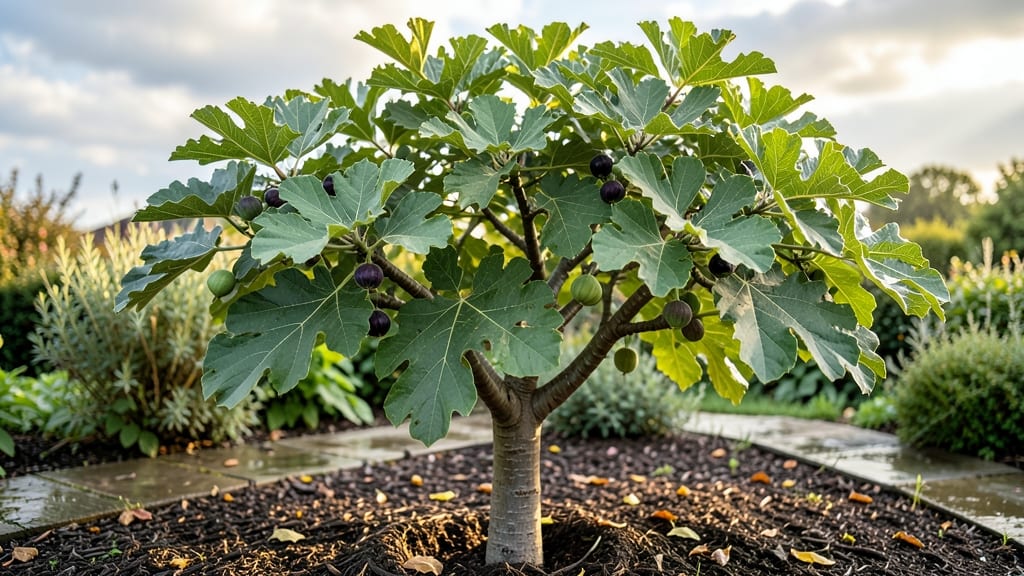
A fig fruit looks like a small, bulbous inverted pear or teardrop shape, usually 1 to 2 inches wide, with thick, textured skin that changes from pale green to deep purple or brown as it ripens. Its bumpy surface and clustered growth on trees or vines make it instantly recognizable.
A fig's shape isn't one-size-fits-all—some varieties like the Adriatic fig stay compact and round, while others like the Black Mission elongate into pear-like forms. 🌿 The skin's texture is another clue: smooth figs (like Brown Turkey) contrast with the rough, scaled look of others.
What's fascinating is how the skin's color shift signals ripeness—purple-brown means peak sweetness, while green indicates underripe fruit. I always check for a slight give when gently squeezed, as that's the best indicator of juicy perfection.
Figs grow in dense clusters called syconia, which might look like upside-down flowers at first glance. These clusters form where the fig tree's branches meet, creating a unique visual pattern that sets them apart from other fruit-bearing plants.
The stem's dryness also matters—if it snaps easily, the fig is ready to pick!
💡 In This Article
- Identifying Fig Fruit by Shape, Size, and Skin Texture
- How to Tell When Figs Are Ripe for Harvesting
Identifying fig fruit by shape, size, and skin texture
Figs come in a surprising variety of shapes that go beyond the classic teardrop form.
The Black Mission fig, for example, grows into an elongated pear shape that can reach 2-3 inches long, while the Adriatic fig stays compact and almost spherical, measuring just 1-1.5 inches in diameter. 🌿 Even within the same variety, shapes can vary slightly based on growing conditions—figs in full sun tend to develop more pronounced, symmetrical forms compared to those grown in partial shade.
The Brown Turkey variety often exhibits a slightly flattened top, creating a distinctive "cap" appearance that sets it apart from other types.
The skin texture is another key identifier, ranging from smooth to dramatically bumpy. Smooth-skinned varieties like the Celeste fig have a velvety surface that feels almost silky to the touch, while rough-skinned types such as the Desert King develop tiny, overlapping scales that give them a textured, almost reptilian appearance.
Under magnification, these scales resemble tiny, overlapping tiles that protect the fruit's delicate interior. The skin's thickness also varies—ripe Black Mission figs have a paper-thin skin that's easily punctured, while unripe specimens feel almost leathery and resistant.
Size differences extend beyond just length and width—they also affect the fruit's weight and density. A fully ripe Brown Turkey fig typically weighs between 0.5-1 ounce, while larger varieties like the Violette de Bordeaux can reach 1.5-2 ounces when fully mature.
This weight difference becomes apparent when holding them; heavier figs often indicate higher moisture content and sweeter flavor. The stem attachment point also varies—some figs develop a 1-2 inch stem that dries out as they ripen, while others remain nearly stemless, with the fruit attaching directly to the branch.
Color isn't just about ripeness—it also reveals the fig's variety. Green figs like the White Adriatic stay pale throughout their season, while purple-brown types like the Black Mission develop deep, almost wine-colored hues when ripe.
Some varieties even exhibit bicolor patterns, such as the Osborn Prolific, which shows green skin with purple blotches. These color variations aren't just cosmetic—they often correlate with different sugar concentrations and flavor profiles, making visual identification your first clue to taste.
One fascinating aspect of fig morphology is how their shape relates to pollination. Figs that develop from caprifig (male) pollination tend to be more elongated, while those pollinated by wind or birds often remain more compact.
This biological quirk explains why some fig varieties produce fruit that's consistently pear-shaped, while others yield more spherical forms. The skin's texture also plays a role in seed dispersal—bumpier figs often attract birds that peck at the scales to access the sweet flesh inside, spreading seeds over greater distances.
For the curious gardener, understanding these shape variations can help with variety identification. A 1.5-inch round fig with smooth skin is likely a Celeste, while a 2.5-inch elongated one with rough scales probably belongs to the Desert King family.
Paying attention to these details transforms fruit identification from guesswork into a precise science, making your fig-picking adventures both educational and rewarding. 💫