
Diseases
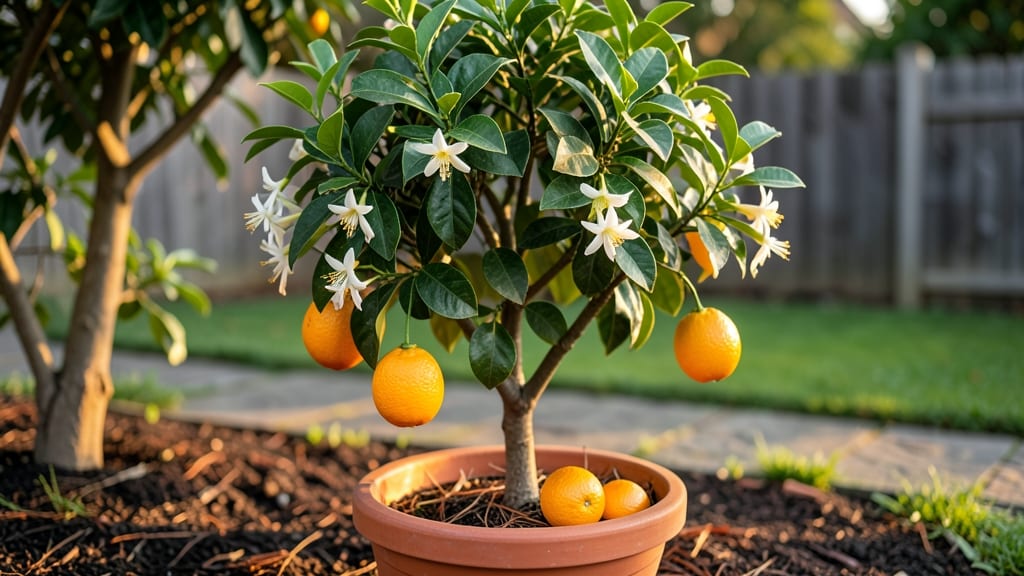
Calamondin fruit is a small, tart citrus hybrid that blends kumquat and mandarin characteristics, known for its sharp citrus punch and decorative appeal in gardens. The tiny, round fruits feature edible skin and juicy pulp, perfect for both culinary uses and ornamental displays.
This unique citrus stands out because it's one of the few fruits where you eat both the bright orange rind and the tart-sweet flesh together. 🌿 Unlike its sweeter mandarin relatives, calamondin's intense acidity makes it a favorite for marinades, desserts, and even cocktails—think of it as nature's perfect souring agent.
Our team often grows them in containers since they thrive in warm climates but can handle brief cold snaps better than most citrus varieties.
What makes calamondin particularly special is its dual-purpose nature—it's as much a garden showstopper as it is a kitchen staple. The glossy leaves and abundant blossoms create stunning visual interest year-round, while the fruits themselves add zesty flavor to everything from curries to fruit salads.
Many home gardeners swear by them for their low-maintenance care compared to other citrus trees.
💡 In This Article
- Calamondin Fruit Hybrid Origins and Botanical Traits
- Growing and Harvesting Calamondin Trees for Home Gardens
Calamondin fruit hybrid origins and botanical traits
The calamondin fruit, scientifically named Citrus × microcarpa, is the result of a natural cross between a kumquat (Fortunella species) and a mandarin orange (Citrus reticulata).
This hybrid combination explains its unique characteristics—small size (1-2 inches in diameter), glossy orange rind, and the ability to eat both skin and flesh together.
The rind contains concentrated oils that give it a distinct aroma, while the flesh delivers a sharp, tangy flavor with just a hint of sweetness—about 3-5 times more acidic than a lemon.
Botanically, calamondin trees thrive in USDA hardiness zones 9-11, where they can handle brief dips to 25°F without permanent damage. The tree itself grows to 8-12 feet tall but stays compact, making it ideal for containers.
One fascinating trait is how the fruit's acidity increases as it ripens, peaking in late fall to winter—this explains why overripe calamondins taste even more intense. The tree's evergreen foliage and fragrant white blossoms add to its ornamental appeal, creating a year-round interest in gardens.
What sets calamondin apart from other citrus is its dual-purpose nature. The fruit's high pectin content makes it excellent for preserves, while its vibrant color and compact size make it a favorite for garnishes.
In tropical climates, these trees produce 2-3 crops per year, with each fruit containing 20-30 seeds—a key trait for gardeners looking to propagate new plants. The tree's resilience to drought and salt spray also makes it a popular choice for coastal gardens.
Climate plays a crucial role in flavor development. Trees grown in warmer, humid regions produce fruits with slightly less acidity but more complex aromatics, while cooler climates yield fruits with sharper tang.
This variation is why some chefs prefer calamondins from specific regions for particular dishes—like using Philippine-grown fruits for their balanced sweetness in desserts versus Vietnamese varieties for their bold acidity in savory marinades.
Here's what makes the calamondin's botanical structure unique:
- Rind texture: Thinner and more tender than kumquats but tougher than mandarins, with a 1-2mm thickness
- Flesh composition: Juicy segments with 15-20% pulp content, much higher than typical oranges
- Seed density: Contains 20-30 seeds per fruit, making it excellent for propagation
The calamondin's ability to thrive in container gardens makes it accessible even in urban areas. Our team often recommends planting them in 15-20 gallon pots with well-draining soil, where they produce fruit just 2-3 years after planting—a remarkably fast return for home gardeners. 🌱