
Companion Plants
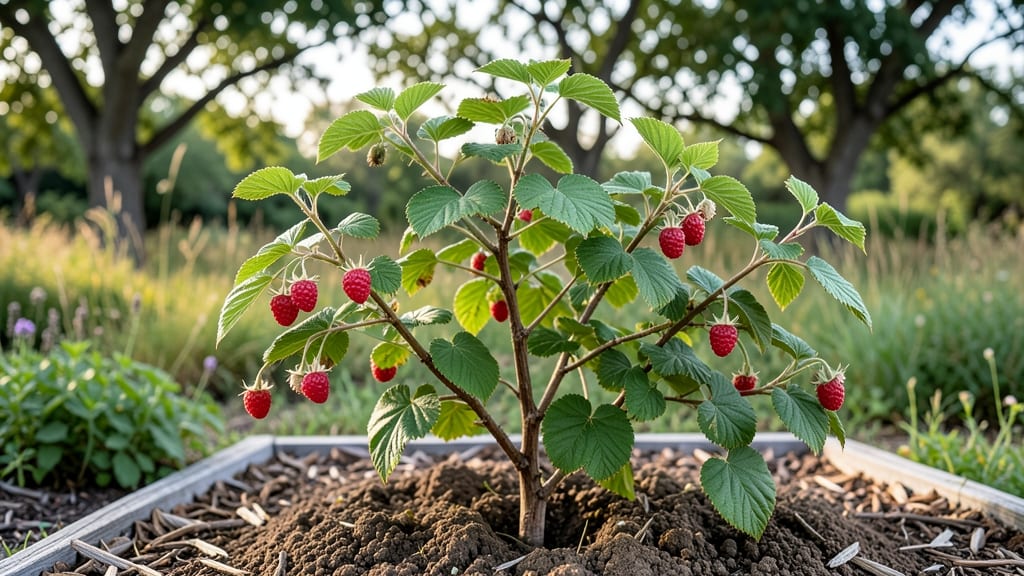
Raspberry plants produce fruit in their second year after planting, but the exact timing depends on your variety and climate zone.
Picture this: you’ve spent months tending to your raspberry bushes 🍇, only to wonder, Will they ever actually bear fruit? The answer isn’t just about waiting—it’s about knowing the right conditions and varieties for your growing season.
Summer-bearing types deliver a single harvest in late summer, while everbearing varieties can fruit twice a year. Fall-bearing raspberries, meanwhile, produce fruit on old and new canes, stretching your harvest window. But without the right pruning and care, you might miss the prime fruiting window entirely.
In this guide, I’ll break down the exact months to expect fruit based on your raspberry type, how to spot when they’re ready, and the small tweaks—like sunlight and soil—that can turn a meager harvest into a berry bonanza.
Raspberry fruit production timeline by variety type
Raspberries are one of the most rewarding berries to grow, but their fruiting timeline depends heavily on the variety type you choose. The two main categories—summer-bearing and everbearing—have distinct growth cycles that determine when you'll enjoy those juicy harvests.
Understanding these differences helps you plan your garden layout, pruning schedule, and even which varieties to plant for extended harvests.
If you're new to raspberry gardening, you might be surprised to learn that summer-bearing varieties produce fruit only once per year, while everbearing varieties can give you two harvests—one in summer and another in fall.
The timing of these harvests also varies based on your USDA hardiness zone and local climate. Let's break down exactly when each type produces fruit so you can optimize your garden for maximum berry production.
📌 Key Difference: Summer-bearing raspberries fruit on second-year canes (floricanes), while everbearing varieties produce fruit on both first-year canes (primocanes) and second-year canes. This fundamental distinction changes everything about how—and when—you prune and harvest.
| Variety Type | Fruiting Canes | Primary Harvest Window | Secondary Harvest Window | Pruning Time | Notes |
|---|---|---|---|---|---|
| Summer-Bearing | Second-year canes (floricanes) | Late June - August | None | Late winter/early spring (remove old canes) | Highest yield per season; needs cold dormancy |
| Everbearing (Fall-Bearing) | First-year canes (primocanes) + second-year canes | July - Early August | September - October | Light pruning; remove only dead/diseased canes | Two harvests per year; less cold requirement |
| Day-Neutral | First-year canes (primocanes) + second-year canes | June - July | August - September | Minimal pruning; remove only weak canes | Fruits continuously; no dormancy needed |
For summer-bearing raspberries, the fruit production timeline is straightforward: these varieties produce fruit only once per year on second-year canes called floricanes. The harvest typically occurs between late June and August, depending on your location and variety.
Popular summer-bearing varieties like Boyne, Heritage, and Nova are known for their large, flavorful berries and high yields during this window.
If you're growing everbearing raspberries, you get two harvests per year—a smaller crop in summer (July-August) on second-year canes and a larger crop in fall (September-October) on first-year canes. Varieties like Heritage (which is technically everbearing) and Caroline are excellent choices if you want to extend your harvest season.
The fall crop is often more abundant, making everbearing varieties a favorite for home gardeners who want fresh berries later in the season.
There's also a third category: day-neutral raspberries, which produce fruit continuously throughout the growing season. Unlike everbearing varieties, day-neutral raspberries don't require a period of dormancy to fruit. This means you can enjoy berries from June through September or even later, depending on your climate.
Varieties like Anne and Goldie are perfect for warm climates or for gardeners who want a prolonged harvest.
One common misconception is that all raspberry varieties fruit at the same time. In reality, the timing of fruit production can vary by 1-2 weeks depending on the variety and your specific growing conditions.
For example, Heritage raspberries (everbearing) might start producing in early July, while Boyne raspberries (summer-bearing) could wait until late July. Paying attention to these nuances helps you plan your garden layout and ensures you don't miss the harvest window.
To maximize your raspberry harvest, it's essential to understand how pruning affects fruiting timing. Summer-bearing varieties require annual pruning in late winter or early spring to remove old canes that have already fruited, allowing new canes to grow and produce fruit the following year.
Everbearing and day-neutral varieties, on the other
How climate and planting time affect raspberry fruit development
Raspberry plants are finicky about timing—plant them too early, and a late frost can wipe out tender canes. Too late, and your bushes might not establish enough roots to fruit well the first year. The last frost date in your USDA hardiness zone is your best friend here.
For example, in Zone 6a, raspberries should go in the ground by early April, while Zone 8 gardeners can plant as late as March.
But frost dates aren’t the only factor. Raspberry varieties also need a specific number of chilling hours—typically 200–1,000 hours below 45°F—to trigger flowering. Summer-bearing types (like Boyne or Heritage) need fewer chilling hours, while everbearing varieties (like Caroline) demand more.
Plant in the wrong climate, and you might end up with no fruit at all.
- 1. Last Frost Date: Plant raspberries 2–4 weeks after your area’s average last frost. Late frosts can kill new growth.
- 2. Chilling Hours: Check your variety’s needs—summer-bearing types need 200–500 hours, while everbearing need 500–1,000 hours.
- 3. Planting Season: Spring planting (March–April) gives roots time to establish before summer heat. Fall planting (August–September) works in mild climates.
- 4. Soil Temperature: Roots need soil temps above 50°F to grow. Use a soil thermometer to avoid stunted growth.
- 5. Regional Adjustments: In Zone 5, plant late May to avoid spring frosts. In Zone 9, plant in winter for spring fruiting.
Let’s talk regional tweaks. In cooler climates like Zone 4, raspberries planted in spring may not fruit until their second year because they need time to establish. Meanwhile, gardeners in Zone 7–9 can sometimes get a fall harvest from everbearing varieties if planted in early spring.
The key is matching your planting window to your local microclimate—not just the zone.
Don’t overlook pruning timing, either. Summer-bearing types fruit on second-year canes, so prune old canes right after harvest to encourage new growth. Everbearing varieties fruit on both old and new canes, so prune more lightly.
Skip pruning at the wrong time, and you’ll confuse your plant’s fruiting cycle entirely.
Finally, water stress during flowering can reduce fruit set. Keep soil consistently moist (but not soggy) from late winter through early summer to support bud development. In drought-prone areas, drip irrigation is a game-changer for steady raspberry production.
Timing isn’t just about when you plant—it’s about understanding how your climate, variety, and care routine work together. Get it right, and you’ll be picking plump, sweet berries in late summer or fall.
Get it wrong, and you might be left with empty canes and empty expectations. 🍇