
How To
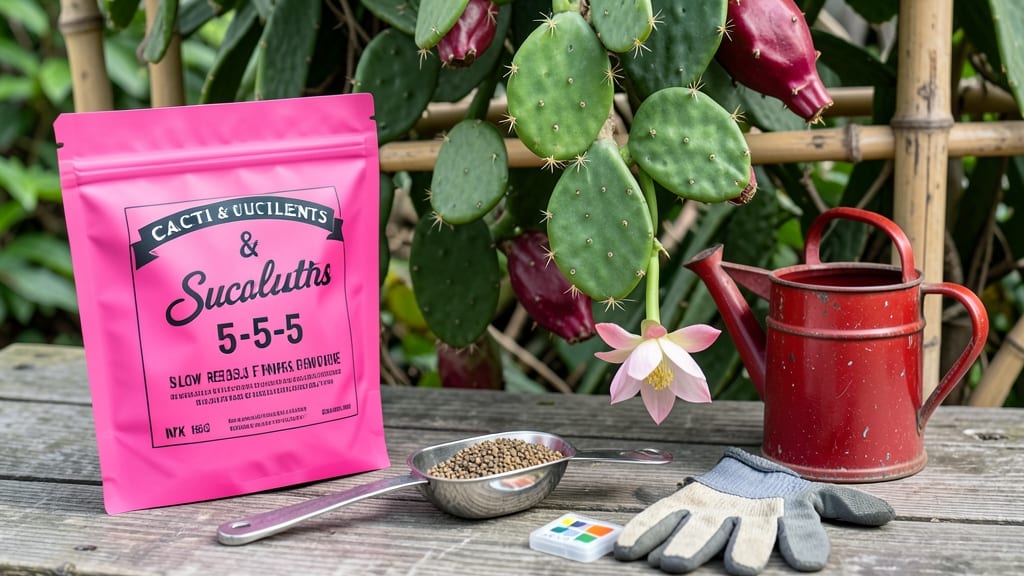
Fertilizing your dragon fruit 🐉 at the right times boosts growth and fruit production faster than you’d expect—here’s exactly when to feed for a thriving plant.
Picture this: You’ve nurtured your dragon fruit for months, only to watch it grow slow or produce sparse fruit. The fix? A precise feeding schedule tied to its growth stages and climate.
Too little, and it struggles; too much, and you risk burning the roots. The key is timing it just right—spring and summer are the power windows, but cooler zones need adjustments.
In this guide, I’ll break down the month-by-month schedule for fertilizing dragon fruit, whether to use organic or synthetic nutrients, and how to spot when your plant is hungry (or overfed). No guesswork—just faster, healthier growth and a harvest you’ll actually enjoy.
Ready to turn your dragon fruit from a slow grower into a fruit-bearing powerhouse? Let’s get started with the fastest way to feed it right.

Best seasons and monthly schedule for fertilizing dragon fruit
Timing your dragon fruit's fertilizer applications is crucial for maximizing growth and fruit production. Since dragon fruit (Hylocereus spp.) thrives in warm climates (USDA Zones 9a-11), its fertilizing schedule aligns with active growth periods.
The key window spans from early spring through late summer, with adjustments needed based on your local climate and the plant's growth stage.
In tropical regions, dragon fruit grows year-round, but even there, heavier feeding occurs during peak growing months (March through September). Cooler zones should pause fertilizing when temperatures drop below 60°F (15°C), as cold stress can prevent nutrient uptake.
Understanding these seasonal cues ensures your plant receives nutrients when it needs them most.
Here's a month-by-month breakdown of when to fertilize, tailored to both tropical and subtropical growers. The schedule prioritizes balanced NPK ratios (5-10-10) to support both foliage and flowering, with organic options like compost or worm castings as excellent alternatives.
| Month | Growth Stage | Fertilizer Action | Notes |
|---|---|---|---|
| January | Early Growth | Light Feed (organic) | Tropical zones only; cooler areas skip |
| February | Vegetative | Light Feed | Use compost tea for gentle nutrients |
| March | Active Growth | Full Feed (NPK 5-10-10) | Encourage new shoots and buds |
| April | Flowering Prep | Full Feed | Increase phosphorus for blooms |
| May | Flowering/Fruiting | Full Feed | Support fruit development |
| June | Fruiting Peak | Light Feed | Avoid over-fertilizing; focus on water |
| July | Fruiting | Light Feed | Maintain soil health |
| August | Late Fruiting | Light Feed | Reduce nitrogen for root strengthening |
| September | Post-Harvest | Full Feed | Prep for next season's growth |
| October | Root Hardening | Light Feed (cooler zones) | Skip in frost-prone areas |
| November-December |
How to choose the right fertilizer for dragon fruit growthSelecting the perfect fertilizer for your dragon fruit plant can feel overwhelming, but the right choice fuels vigorous growth and abundant fruit production. Dragon fruit thrives with a balanced approach—organic or synthetic—depending on your gardening style and goals. I’ve grown dragon fruit in both tropical and subtropical climates, and I’ve learned that NPK ratios and soil health are key to success. For foliage growth, prioritize a fertilizer with equal parts nitrogen, phosphorus, and potassium (e.g., 5-5-5). However, when your plant begins flowering, switch to a higher-phosphorus blend like 3-6-6 or 5-10-10 to support fruit development. Organic options like compost or worm castings also work wonders, especially in long-term care. Organic vs. Synthetic Fertilizers for Dragon Fruit
Organic Fertilizers
Synthetic Fertilizers
Best Choice: Start with organic for soil health, supplement with synthetic during flowering/fruiting stages.
If you prefer homemade compost, mix equal parts aged manure, yard waste, and kitchen scraps (like fruit peels and coffee grounds). Let it decompose for 3-6 months before applying. For a quick boost, top-dress with worm castings or fish emulsion—both are rich in nutrients and gentle on roots. Always apply fertilizer in the early morning to prevent leaf burn from heat stress. Water thoroughly after application to help nutrients penetrate the soil. Avoid fertilizing during dormant months (winter in cooler climates) or when your plant shows signs of stress, like yellowing leaves or wilting. Pro tip: Test your soil every 1-2 years to monitor nutrient levels. A simple pH test kit (ideal range: 6.0-7.0) ensures your dragon fruit absorbs nutrients efficiently. Adjust with lime (to raise pH) or sulfur (to lower pH) as needed. Remember, consistency is key. Whether you choose organic or synthetic, stick to a 4-6 week schedule during the growing season. Your dragon fruit will reward you with lush vines and sweet, exotic fruit—just like mine does every summer! 🌱 |