
Trees
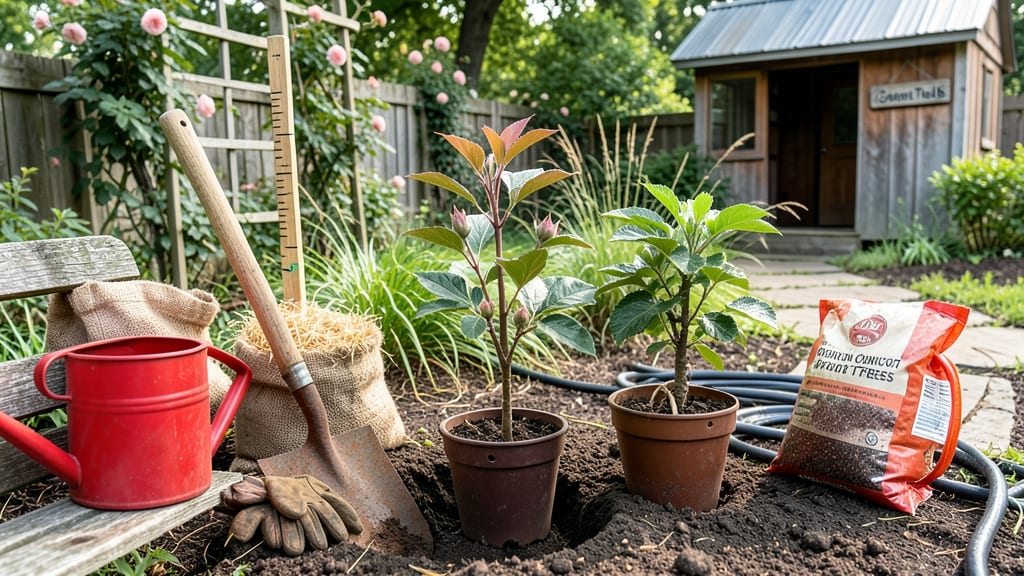
Planting fruit trees in Mississippi at the right time means the difference between a thriving orchard and years of frustration 🍎 — aim for late winter or early spring when the soil warms but frost risks fade.
Mississippi’s warm climate and unique chill-hour requirements mean planting fruit trees at the wrong time can mean the difference between a bountiful harvest and years of disappointment. Timing isn’t just about seasons—it’s about matching your tree’s needs to Mississippi’s microclimates.
In zones 7b-9a, the ideal window stretches from February to March, when soil temperatures hit 60°F but late frosts remain unlikely. Plant too early, and your young tree may struggle with cold snaps; too late, and summer heat stresses roots before they establish.
Below, I break down the exact chill-hour zones for Mississippi, the best varieties for your region, and how to prep soil for maximum root growth—so you can start harvesting in as little as 2 years.
Mississippi fruit tree planting calendar by chill-hour zones
Mississippi’s climate ranges from 300 to 900 chill hours, creating distinct planting zones that determine which fruit trees thrive in your yard. Unlike northern states, timing isn’t just about frost dates—it’s about matching your tree’s chill-hour requirements to your local microclimate.
For example, peaches need 500-800 hours, while figs and citrus survive with as few as 100-300 hours. Using the USDA chill-hour map ensures you pick varieties that fruit reliably in your area.
Northern Mississippi (700-900 chill hours, e.g., USDA Zone 7b) can grow traditional apples and pears, while southern regions (300-500 chill hours, e.g., Zone 8a-9a) must focus on low-chill varieties like muscadine grapes or tropically adapted citrus.
Planting outside these zones often leads to poor fruit set or no harvests. Let’s break down the best months for each zone and tree type.
For 300-500 chill-hour zones (south Mississippi), figs and citrus are your best bets—they thrive with minimal winter chill and even produce year-round in Zone 9a.
Plant bare-root figs in November to give roots time to establish before summer heat arrives. Low-chill peaches (like Redhaven or Elberta) also work here but need well-draining soil to avoid root rot in Mississippi’s heavy clay.
In 500-700 chill-hour zones (central Mississippi), peaches and pears become viable. The optimal window is January–March, as planting in April risks heat stress before roots establish.
For example, Elberta peaches (600 chill hours) planted in February will bear fruit by June of the following year if given full sun and regular watering. Avoid high-chill apples like Granny Smith—they’ll bloom but drop fruit due to insufficient chill.
Northern Mississippi’s 700-900 chill-hour zones can support traditional apples and pears, but timing is critical. Plant dwarf varieties (like Honeycrisp apples) in December–February to ensure roots harden before January frosts.
Use mulch to protect roots from temperature swings, which are common in Zone 7b. A 4-inch layer of straw keeps soil 5°F warmer in winter, extending the growing season.
One common mistake is planting bare-root trees in summer. Mississippi’s 90°F+ heat causes transplant shock, even for drought-tolerant varieties. Instead, plant in late winter when soil is 60°F but not yet active. Test soil temperature with a
Critical planting mistakes to avoid in Mississippi’s climate
Mississippi’s humid subtropical climate and variable chill hours create unique challenges for fruit tree growers. Planting at the wrong time can stress young trees, inviting pests, diseases, or even death.
Many gardeners make avoidable mistakes, like ignoring soil temperature or rushing planting before the last frost. These errors often lead to stunted growth or poor fruit production.
One of the biggest mistakes is planting high-chill varieties in low-chill zones. For example, traditional peach trees need 500-900 chill hours, but southern Mississippi often sees only 200-300 chill hours.
Choosing the wrong variety means your tree may never bear fruit—or could die from stress. Always match your tree’s chill requirements to your local climate zone.
Another common error is planting too early, before the soil warms to 60°F (15°C). Cold soil slows root growth and makes trees vulnerable to root rot. In Mississippi, this usually means waiting until late February or March for most regions.
Rushing the process can set your tree back for years, delaying fruiting by 2-3 seasons.
⚠️ callout warning
Mississippi’s summer heat spikes (often exceeding 95°F/35°C) can shock newly planted trees. Avoid transplanting when temperatures rise above 85°F (29°C). Instead, opt for early spring or late winter planting when soil is 60-70°F (15-21°C).
💡 Pro Tip: Use shade cloth or plant in partial shade during the first 2 weeks to reduce transplant shock.
Ignoring soil preparation is another costly mistake. Mississippi’s clay-heavy soils often need amendments like compost or sand to improve drainage. Without proper prep, roots suffocate, leading to fungal infections or poor nutrient uptake.
Before planting, test your soil’s pH (ideal: 6.0-7.0 for most fruit trees) and add organic matter like well-rotted manure or leaf mold.
Many gardeners also skip mulching, which is critical in Mississippi’s climate. A 3-inch layer of mulch (wood chips or pine straw) retains moisture, regulates soil temperature, and suppresses weeds.
Without it, young trees struggle to establish roots during hot, dry spells common in late spring and summer. Mulch also prevents soil-borne diseases from splashing onto the trunk.
Finally, avoid planting fruit trees in low-lying areas where frost or cold air pools. Even in Mississippi’s mild winters, late frosts can damage young trees. Choose a sheltered, slightly elevated spot near a south-facing wall or fence for extra protection.
This simple adjustment can mean the difference between a thriving tree and one that struggles for years.
By avoiding these common mistakes—matching chill hours, timing soil temperature, and preparing the site properly—you’ll give your fruit trees the best possible start in Mississippi’s challenging climate. With the right preparation, you’ll enjoy healthier trees and better harvests for decades. 🌱