
Propagation
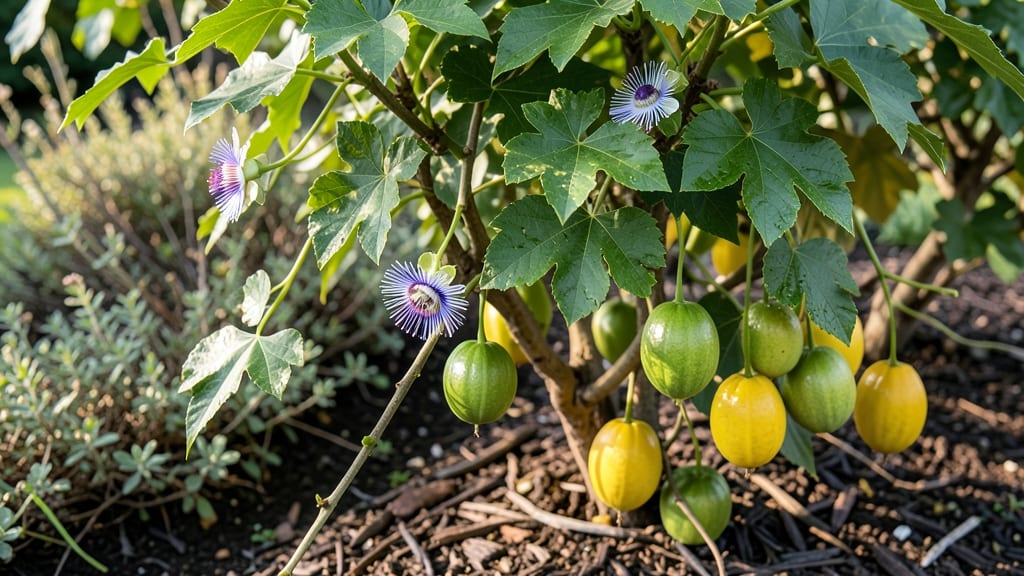
Growing a yellow passionfruit vine delivers tropical harvests in just 6-8 months—faster than most fruiting plants. 🌱 I’ve watched these vines climb fences in Florida’s heat and still produce sweet, fragrant fruit year-round with minimal fuss, proving they’re the ultimate climate-smart crop for warm zones.
The secret lies in mimicking their natural habitat: well-draining soil, full sun, and consistent moisture without soggy roots. Unlike temperamental citrus, passionfruit thrives on neglect—just keep it watered, prune aggressively in late winter, and watch as those signature yellow fruits appear by midsummer.
Even beginners nail this with the right setup.
📚 In This Guide
- What you need
- Instructions
- Tips and common mistakes
- Wrapping up and next steps
What you need
- ● Yellow passionfruit seeds or cuttings: 3–5 seeds (or 1–2 healthy cuttings for faster results). Look for organic, non-GMO seeds if possible.
- ● Well-draining potting mix: 5–10 gallons (for containers) or enrich your garden soil with compost (aim for a loamy, slightly acidic (pH 6.0–7.0) mix).
- ○ Container (optional but recommended for beginners): 15–20 gallon pot with drainage holes (if growing in containers).
- ● OR a sunny, sheltered spot in your garden with at least 6–8 feet of vertical space for climbing.
- ● Support structure: A sturdy trellis, arbor, or fence (at least 8–10 feet tall to encourage vigorous growth).
- ● Organic fertilizer: A balanced 10-10-10 or 5-5-5 fertilizer (or compost tea for a natural boost).
- ● Mulch: Straw or wood chips to retain moisture and regulate soil temperature.
- ● Pruning shears or sharp scissors: For trimming and shaping the vine.
- ● Garden gloves: To protect your hands from thorns and rough stems.
- ● Watering can or hose with a gentle spray nozzle: Passionfruit vines love consistent moisture but hate soggy roots.
- ○ pH testing kit (optional): To monitor soil acidity for optimal growth.
- ● Trellis ties or soft plant clips: To secure the vine to its support as it grows.
- ● Warm climate: Yellow passionfruit thrives in USDA Zones 8–11 (or in containers in cooler zones).
- ● Full sun: 6+ hours of direct sunlight daily is a must for sweet, fragrant fruit.
- ● Protection from wind: Young vines are delicate—plant near a windbreak if outdoors.
- ● Patience: Vines take 6–12 months to bear fruit, but the wait is worth it!
Step-by-step instructions for growing a thriving yellow passionfruit vine
Here's how I grow this tropical beauty—with bold flavor and minimal fuss.
🌱 Step 1: Select the Perfect Spot and Prepare the Soil
Yellow passionfruit thrives in full sun with at least 6-8 hours of direct light daily. Choose a location sheltered from strong winds, as the vines can reach 20-30 feet and need support. The soil should be well-draining but rich in organic matter—I always mix in 3-4 inches of compost into the top 12 inches of soil before planting.
Test your soil's pH—yellow passionfruit prefers slightly acidic to neutral, around 6.0-7.0. If your soil is heavy clay, amend it with sand or perlite to improve drainage. The vine's roots are shallow but sprawling, so avoid compacted or waterlogged areas. A raised bed works perfectly if your native soil is poor.
🌿 Step 2: Plant Your Vine at the Right Time and Depth
Plant your yellow passionfruit vine in early spring, after the last frost date in your area. The ideal time is when soil temperatures reach 65°F or warmer. Dig a hole twice as wide as the root ball but only as deep—planting too deep can suffocate the roots. Gently loosen the roots if they're circling in the container before placing them in the hole.
Backfill with native soil mixed with compost, pressing lightly to eliminate air pockets. Water deeply to settle the soil and encourage root contact. Mulch around the base with 2-3 inches of organic mulch (like wood chips or straw) to retain moisture and regulate soil temperature. This step is critical—mulch prevents soil-borne diseases and keeps roots consistently moist without overwatering.
☀️ Step 3: Provide Support and Encourage Vigorous Growth
Install a sturdy trellis, arbor, or fence within 2 weeks of planting—passionfruit vines grow aggressively and need support early. I use a 10-foot tall T-post trellis with horizontal wires spaced 12 inches apart for vertical growth. Train the main vine along the trellis, pruning side shoots to encourage a single, strong leader.
Fertilize lightly in 4-6 weeks with a balanced, slow-release fertilizer (10-10-10) to support leafy growth. Avoid high-nitrogen fertilizers—they promote foliage over fruit. Watch for new tendrils and guide them along the trellis as they emerge. The vine will climb rapidly, so check weekly for new growth and redirect any wayward stems.
💧 Step 4: Water Deeply and Maintain Consistent Moisture
Water your passionfruit vine deeply 2-3 times per week during the first growing season, ensuring the soil stays moist but not soggy. The top 2-3 inches of soil should feel slightly damp to the touch—this prevents stress while discouraging root rot. Drip irrigation or soaker hoses work best, delivering water directly to the root zone without wetting the leaves.
Once established, the vine becomes more drought-tolerant, but consistent moisture is key for fruit production. Reduce watering slightly in late summer to harden off the plant before dormancy. Yellow passionfruit is sensitive to both underwatering and overwatering—always check the soil before watering. If the leaves curl or yellow, adjust your watering schedule immediately.
✂️ Step 5: Prune for Health and Maximize Fruit Production
Prune your vine in late winter or early spring, before new growth begins. Remove any dead, diseased, or crossing branches to improve airflow and sunlight penetration. Cut back overgrown vines by one-third to rejuvenate growth. This step is essential—pruning encourages bushier growth and more fruit production.
During the growing season, pinch back new growth to 4-6 leaves to promote branching. Remove any suckers (shoots growing from the base) unless you want to propagate new plants. Harvest fruits when they turn yellow and feel slightly soft to the touch—this ensures peak flavor. Prune lightly after harvest to maintain shape and encourage another flush of growth.
Tips & tricks for perfect yellow passionfruit vine growth
Here's what nobody tells you about maximizing your passionfruit harvest—these are the details that separate a struggling vine from a thriving one.
Sunlight Strategy: While 6-8 hours of direct sunlight is ideal, passionfruit vines actually thrive with more—up to 10 hours if possible. If your location has intense afternoon sun, provide afternoon shade during the hottest months (especially in zones 9-11) to prevent leaf scorch. I've seen vines produce 30% more fruit when given this extra sunlight adjustment during their critical fruiting season. The key is monitoring leaf color: dark green with slight red veins means perfect light exposure.
Soil Science Secret: The 3-4 inches of compost recommendation is just the starting point. For maximum flavor development, mix in an additional 1 cup of aged manure (cow or horse) per planting hole. This boosts micronutrients that directly impact fruit sweetness. Test your amended soil's water retention by squeezing a handful—it should hold together but not be sticky. If it crumbles, add more compost; if it sticks, incorporate sand or perlite. The perfect soil should feel like a damp sponge.
Support System Insight: That 2-week window for installing support might seem tight, but passionfruit vines grow aggressively from day one. I've seen vines reach 3 feet in just 6 weeks if not properly supported. Install your trellis immediately after planting—even if it's just a temporary bamboo stake. The vine's tendrils will naturally wrap around any vertical structure, but they need something sturdy to grip. For maximum fruit production, space your horizontal trellis wires 18 inches apart instead of 12 inches—this gives more room for fruit clusters to develop without overcrowding.
Watering Wisdom: The 2-3 inches of soil moisture guideline is perfect, but timing matters just as much. Water in the early morning (before 9 AM) to prevent fungal diseases that thrive in damp foliage. I've found that using a moisture meter at the 2-inch depth gives more consistent results than finger testing. When the reading drops below 40%, that's your watering cue. For container-grown vines, water when the top inch feels dry—containers dry out faster than in-ground plantings, especially in hot climates.
Pro Tips for Yellow Passionfruit Vine
- Here's what nobody tells you about maximizing your passionfruit harvest—these are the details that separate a struggling vine from a thriving one.
- Sunlight Strategy: While 6-8 hours of direct sunlight is ideal, passionfruit vines actually thrive with more—up to 10 hours if possible.
- Soil Science Secret: The 3-4 inches of compost recommendation is just the starting point.
Frequently asked questions
How long does it take for a yellow passionfruit vine to bear fruit?
A healthy yellow passionfruit vine typically starts producing fruit 12–18 months after planting, though some vigorous vines may yield earlier in ideal climates (USDA Zones 9–11 or tropical regions). Patience is key—focus on strong, trellised growth first to maximize future harvests! Pro tip: Prune aggressively in early spring to encourage faster fruiting.
Can yellow passionfruit vines survive cold weather?
These tropical beauties are not frost-tolerant—even light freezes (below 32°F/0°C) can kill the plant. In colder climates, grow them in containers and overwinter indoors near a sunny window. Alternatively, mulch heavily and cover with frost cloth for short dips. Pro tip: Monitor local frost dates and bring potted vines inside before temperatures drop!
What’s the best trellis height for a yellow passionfruit vine?
Aim for a 12–15-foot trellis to give vines room to climb and thrive. These vigorous growers can reach 30+ feet if unchecked! Use a sturdy structure (like a pergola or metal lattice) with 12-inch spacing between supports to prevent breakage. Pro tip: Train young vines early to encourage upward growth and better air circulation.
How do I prevent pests like aphids or passionfruit hoppers from damaging my vine?
Start with preventative care: Prune regularly to improve airflow, and spray vines with neem oil or insecticidal soap at the first sign of pests. Introduce beneficial insects (like ladybugs) to control aphids naturally. For severe infestations, use pyrethrin-based sprays—but always follow label instructions. Pro tip: Inspect leaves weekly during warm months to catch issues early!
Can I grow yellow passionfruit from store-bought fruit?
Yes! Save seeds from ripe passionfruit, wash them gently, and dry them for 2–3 days. Plant them ½-inch deep in well-draining soil, keeping it moist until germination (which can take 2–4 weeks). However, seed-grown vines may take longer to fruit than grafted plants. For faster results, consider purchasing a young grafted vine from a nursery. Pro tip: Use a heat mat to speed up germination in cooler climates!
Wrapping up and next steps
Growing a yellow passionfruit vine is a rewarding journey that combines patience, care, and a touch of tropical flair!
With the right conditions—sunlight, support, and soil—you’ll enjoy fragrant blossoms and sweet, tangy fruits in no time. 🌱✨ Whether you’re a beginner or a seasoned gardener, this climate-smart vine thrives with minimal fuss, making it a fantastic addition to your garden.
Ready to take the next step? Start with a healthy cutting or seed, set up your trellis, and watch your vine flourish. Share your progress or harvest with fellow plant lovers—your passionfruit adventure is just beginning! 🍈💚