
Flowers
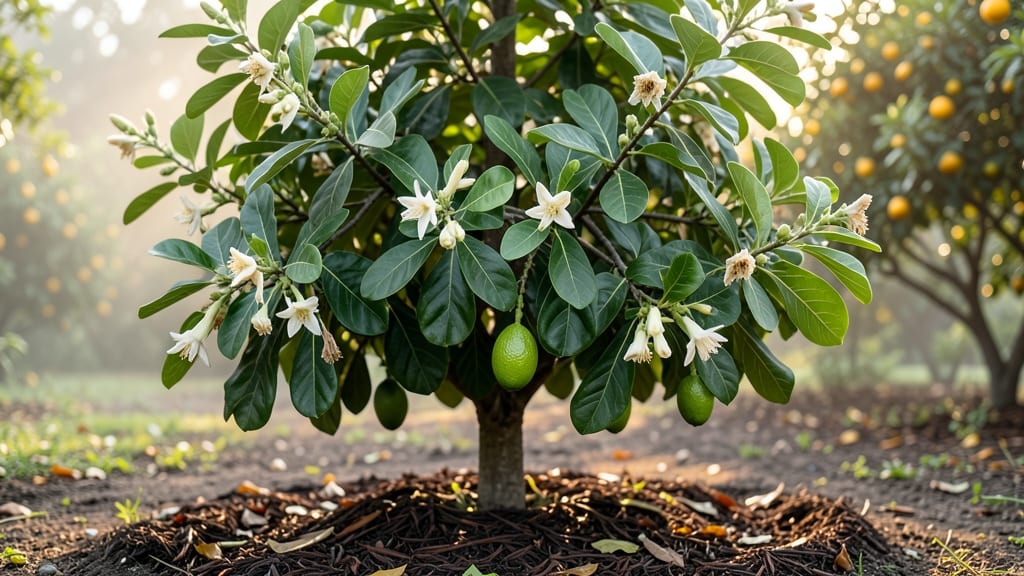
The avocado flower to fruit process takes 12-24 months, beginning with pollination of A or B-type flowers, then fruit swelling (4-6 months), and finally reaching maturity (6-12 months after flowering).
The transformation from avocado flower to fruit depends heavily on the tree's type—most require cross-pollination between A and B varieties to set fruit. 🌸 Once pollinated, the tiny fruit begins swelling within weeks, but true maturation takes months.
For example, Hass avocados often take 18-24 months from flower to harvest-ready fruit, while other varieties may mature faster. Temperature fluctuations during these stages can drastically alter growth rates, sometimes causing fruit drop if conditions aren't ideal.
What's fascinating is how environmental factors interact at each stage. During the first 6 months, fruit growth is slow but critical—proper water balance and sunlight exposure prevent deformities. Later stages focus on color development and internal ripening cues like skin texture changes.
I've noticed that trees in warmer climates often produce fruit faster, but with less consistent quality compared to those in moderate zones.
💡 In This Article
- Avocado Flower Types and Pollination Requirements
- Month-by-Month Avocado Fruit Growth Stages
Avocado flower types and pollination requirements
Avocado trees produce two distinct flower types—Type A and Type B—that follow precise seasonal cycles.
Type A flowers open in the morning and release pollen by noon, while Type B flowers bloom in the afternoon and receive pollen best between 12 PM and 6 PM. This timing difference is critical because avocados require cross-pollination between A and B varieties to set fruit.
For example, a Hass tree (Type A) needs a nearby Type B tree like Fuerte or Reed to successfully fertilize its flowers.
The pollination process itself involves tiny bees called avocado bees (Euglossa) or wind, but successful fertilization depends on temperature and humidity. Ideal conditions are 70-80°F with moderate humidity—too hot or dry can cause flowers to drop before setting fruit.
I've observed that trees in coastal regions often have higher pollination success rates due to consistent humidity levels, while inland orchards may struggle during summer droughts. Even with proper pollination, only 1-5% of flowers typically develop into mature fruit due to natural fruit drop.
What's fascinating is how the tree's internal chemistry responds during this stage. Once pollinated, the ovary begins producing hormones like ethylene and auxin, which trigger cell division and fruit swelling.
These hormones also help the fruit compete for the tree's limited resources, often causing smaller or poorly pollinated fruits to fall off naturally. This self-pruning mechanism ensures the tree focuses energy on developing the strongest fruit.
Climate plays a surprising role in determining which flowers will set fruit. In cooler regions, Type A trees may produce more fruit in spring when temperatures are mild, while Type B trees thrive in summer's warmth.
Growers often plant mixed orchards with both types to maximize yield, though some commercial operations use hand-pollination techniques during poor bee activity seasons. The key takeaway? Successful avocado fruit development starts with understanding these flower types and their delicate timing requirements.
Here's what happens when pollination fails: flowers may drop within days, leaving no visible fruit. But with successful cross-pollination, you'll notice tiny green bumps forming on the tree within 2-4 weeks. These bumps are the early stages of fruit development, marking the transition from flower to future avocado. 🌿