
Pruning
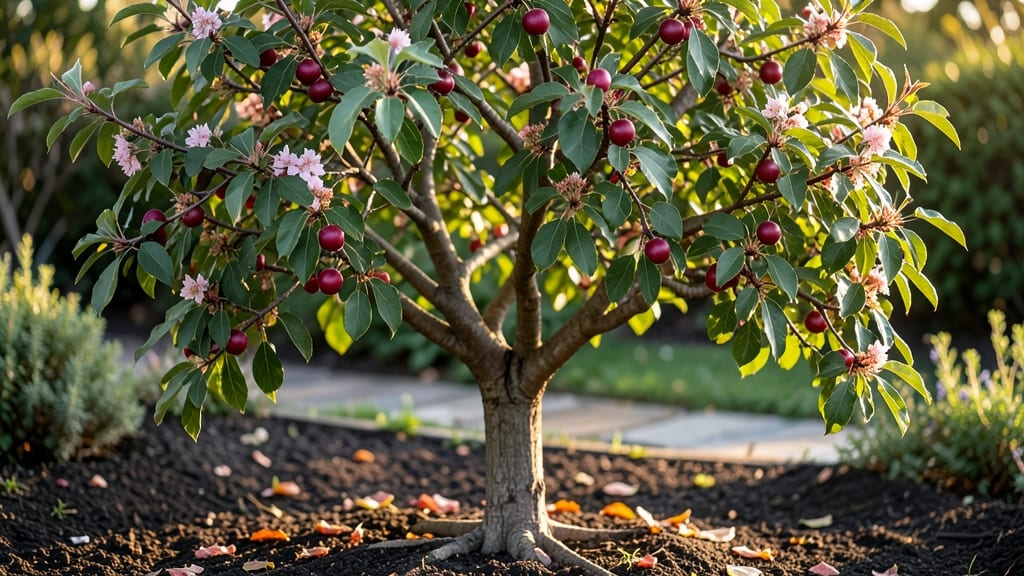
Your cherry plum tree fruit harvest could double with just a few strategic cuts. ✂️ I've pruned these trees for years, and the difference between a light crop and a bursting branch is all in the timing and technique—spring, summer, and even winter pruning each play a role.
The key is balancing air circulation, sunlight exposure, and fruit-bearing wood. Most gardeners stop after spring, but I've found that summer pruning after harvest and winter shaping are what truly maximize next year's yield.
It's not about cutting everything back—it's about encouraging the tree to focus its energy where it counts. By the end of your first full year of targeted pruning, you'll see thicker branches, fewer blank spots, and fruit clusters that fill every available space.
The tree becomes more productive, easier to manage, and far less prone to disease because of better airflow. This works for both dwarf and standard varieties, in containers or in-ground. The same principles apply whether you're dealing with a young sapling or a mature tree needing rejuvenation.
📚 In This Guide
- What you need
- Instructions
- Tips and common mistakes
- Wrapping up and next steps
What you need
- ● Pruning Shears: Bypass pruners (sharp, 6-8 inch blades) for clean cuts on small branches. Quantity: 1 pair.
- ● Loppers: For thicker branches (1.5–2.5 inch diameter). Quantity: 1 pair.
- ● Pruning Saw: For stubborn, large branches (2+ inch diameter). Quantity: 1.
- ● Disposable Gloves: Heavy-duty, nitrile-coated for grip and protection. Quantity: 2-3 pairs.
- ● Rubbing Alcohol (70%+) or Bleach Solution: 1:10 ratio with water to sterilize tools between cuts.
- ○ Pruning Sealant: Optional but helpful for sealing larger wounds (1 small bottle).
- ● Tarp or Drop Cloth: 5x8 ft to collect debris and protect the ground.
- ● Ladder: Aluminum extension ladder (12–16 ft), rated for your tree’s height.
- ● Work Bag: Lightweight with pockets to organize tools.
- ● Hand Pruners with Ratchet: For extended pruning sessions (reduces hand fatigue).
- ● Tree Wound Paint: Controversial but some swear by it for faster healing.
- ● Garden Hose with Spray Nozzle: For rinsing tools and cleaning up sap.
- ● Notebook & Pen: To sketch your tree’s structure or note pruning plans.
- ● Safety Goggles: Protects eyes from debris (especially in windy conditions).
Instructions for year-round pruning to boost cherry plum fruit production
Pruning isn’t just about shaping—it’s the secret to bigger harvests. Here’s how I time and execute cuts for a tree that bears fruit reliably.
✂️ Step 1: Late Winter Dormant Pruning (Best Time for Structural Shaping)
Wait until mid-to-late February when the tree is fully dormant but before buds swell. This is your chance to remove dead, diseased, or crossing branches—they compete with fruit-bearing wood. I start by cutting out any branches thicker than ¼ inch that grow inward or rub against others. These will never produce well and create wounds where pests enter.
Make clean cuts just outside the branch collar (the swollen area where the branch meets the trunk). Use sharp bypass pruners for branches under ½ inch thick. For larger branches, switch to a pruning saw—never leave stubs. You’ll know you’re doing it right when the cut looks smooth and the branch falls away cleanly.
☀️ Step 2: Post-Bloom Summer Pruning (Encourages Next Year’s Fruit)
After the tree finishes flowering but before July, focus on water sprouts (those fast-growing vertical shoots) and suckers (shoots growing from the base). These steal energy from fruit production. Cut them back to ½ inch above a leaf bud or side branch. I also thin out overcrowded clusters—leave only the strongest 3-4 fruits per spur (the short fruiting branches).
This is also when you check for fruit set. If your tree looks heavy with blooms but few fruits develop, it might need thinning to prevent branch breakage. Wait until fruits are pea-sized before removing excess—smaller fruits are easier to spot and remove cleanly.
🌿 Step 3: Light Fall Pruning (Prevents Winter Damage)
In early October, do a quick check for damaged or diseased branches from summer storms or pests. Remove any that look blackened, mushy, or hollow—these won’t recover and could spread problems. Avoid heavy pruning now; you don’t want to stimulate new growth that won’t harden off before winter.
Pay attention to branch angles. If you notice any growing too upright (over 60 degrees from horizontal), make a small cut to encourage a more open structure. Open branches dry faster in spring, reducing disease risk. Just a few strategic cuts here prevent major work next winter.
⏰ Step 4: Spring Growth Monitoring (Adjust as Needed)
Once buds swell in early spring, step back and evaluate. If you see too many water sprouts (those skinny, fast-growing shoots), prune them back immediately to ¼ inch above a leaf bud. These shoots drain energy from fruit production. I also check for dead wood—any branches that didn’t survive winter will need removal before leaves emerge.
Here’s the thing—cherry plums respond quickly to pruning. If you notice new shoots growing from old cuts, that’s a good sign you’re encouraging new fruiting wood. Just avoid pruning after mid-June; new growth won’t harden off before winter, and you’ll lose it to frost.
Tips & tricks for perfect cherry plum fruit pruning
Took me a while to figure these out, so here goes—these tricks will help you avoid common mistakes and get the most out of your cherry plum tree.
Tool Preparation: Always sharpen your pruning tools before you start. Dull blades tear wood instead of making clean cuts, which slows healing and invites disease. I keep a small file in my toolbox and sharpen my bypass pruners after every 5-6 uses. For larger branches, a clean pruning saw is just as important—rusty or nicked blades can damage the bark and leave jagged edges that heal poorly.
Seasonal Timing Secret: The mid-to-late February window for dormant pruning is critical. If you prune too early, you might cut off next year's flower buds, and if you wait too long, the tree will start growing before you finish. I mark my calendar with a reminder to check the tree's dormancy status—buds should still look shriveled, not swollen. This timing ensures your tree has the best chance to recover before spring growth begins.
Visual Cues for Pruning: When thinning fruit clusters in Step 2, look for fruits that are slightly larger and more vibrant than others. These are the strongest and will produce the best quality fruit. I also check for fruits growing directly against the branch—these often develop poorly and are easier to spot and remove when they're pea-sized. This simple visual trick saves me from having to thin later when fruits are harder to handle.
Branch Angle Insight: That 60-degree angle mentioned in Step 3 isn't arbitrary. Branches growing at this angle get better air circulation and sunlight exposure, which reduces disease risk and improves fruit quality. I use a small protractor tool to check angles during fall pruning—it's worth the investment to maintain an open, healthy structure. You'll notice the difference in fruit production within just one growing season.
Pro Tips for Cherry Plum Tree Fruit
- Took me a while to figure these out, so here goes—these tricks will help you avoid common mistakes and get the most out of your cherry plum tree.
- Tool Preparation: Always sharpen your pruning tools before you start.
- Seasonal Timing Secret: The mid-to-late February window for dormant pruning is critical.
Frequently asked questions
Got questions about growing and pruning your cherry plum tree for the best fruit harvest? Here are some of the most common ones—and their answers!
When is the best time to prune a cherry plum tree for fruit?
Prune your cherry plum tree twice a year: late winter/early spring (before buds swell) for structural shaping, and summer (after harvest) to promote airflow and reduce disease risk. Avoid heavy pruning in fall—it can stimulate late growth vulnerable to frost damage.
How much should I prune a cherry plum tree?
Remove 15–25% of the tree’s total growth per year to maintain health. Focus on:
- Dead, diseased, or crossing branches
- Suckers (shoots from the base)
- Water sprouts (fast-growing vertical shoots)
- Overcrowded branches in the center
Why isn’t my cherry plum tree producing fruit?
Common culprits include:
- Improper pruning: Over-pruning or cutting back too late in the season can reduce flowering.
- Lack of sunlight: Cherry plums need 6+ hours of sun daily.
- Poor pollination: Some varieties need a second tree for cross-pollination.
- Nutrient deficiencies: Test soil for nitrogen, phosphorus, and potassium.
Can I grow a cherry plum tree in a container?
Yes! Dwarf varieties like ‘Sapphire’ or ‘Methley’ thrive in containers (5+ gallon pots). Use:
- A well-draining potting mix (add perlite or sand)
- A pot with drainage holes
- Regular pruning to control size
What pests or diseases should I watch for on cherry plum trees?
Watch for:
- Plum curculio (weevils that damage fruit)—use row covers or neem oil.
- Brown rot (fungus causing fruit rot)—prune for airflow and apply copper fungicide.
- Aphids or mites—spray with soapy water or insecticidal soap.
- Silver leaf disease (fungus)—remove infected branches immediately.
Wrapping up and next steps
Growing a thriving cherry plum tree with a year-round bounty is all about timing, technique, and a little patience!
By mastering the art of seasonal pruning—from late winter to early spring, summer thinning, and post-harvest cleanup—you’ll ensure healthier growth, bigger fruit, and fewer pests. Your hard work will pay off with sweet, juicy plums that make every pruning session worth it.
Ready to take your cherry plum tree to the next level? Start small: pick one season to perfect your skills, then gradually expand your pruning routine. Happy pruning—your future harvest awaits! 🌿✂️