
Trees
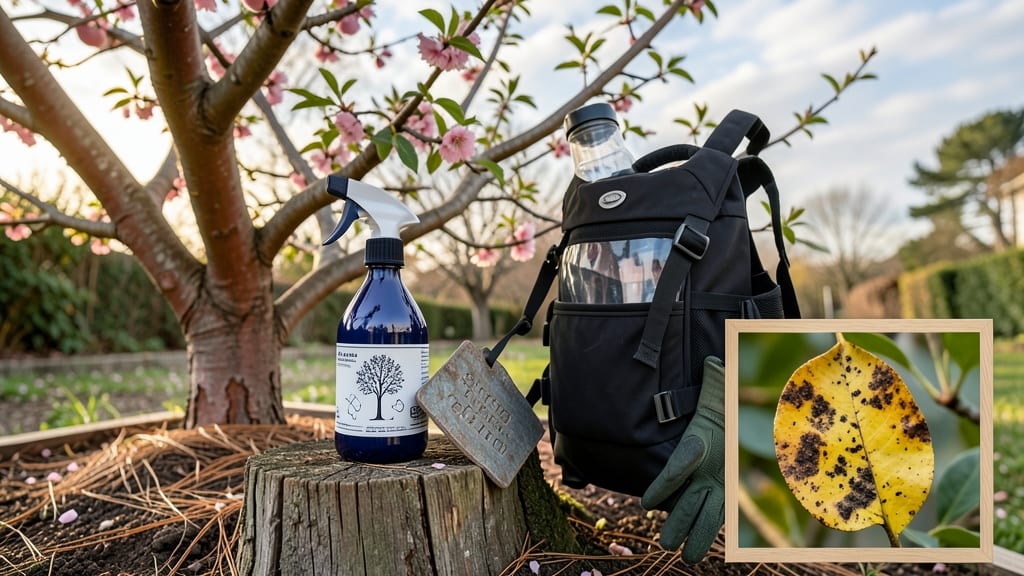
Spraying copper fungicide on fruit trees at the right time can stop fungal diseases like apple scab and peach leaf curl before they ruin your harvest.
Picture this: you’ve just pruned your 🍎 trees, the buds are swelling, and the forecast calls for rain—perfect conditions for fungal spores to take hold. That’s when copper fungicide becomes your best defense, but timing it wrong can waste your effort or even harm your trees.
Most gardeners apply copper in late winter or early spring, just as buds begin to swell, but the exact window depends on your climate zone and the diseases you’re fighting. A single spray at the wrong moment might miss the spores entirely, leaving your trees vulnerable all season.
In this guide, I’ll break down the best times to spray—whether you’re targeting pre-bloom protection or reapplying after rain—plus common mistakes that reduce effectiveness. By the end, you’ll know exactly when to reach for that copper spray for maximum protection.
Best timing for pre-bloom copper fungicide applications on fruit trees
Copper fungicide is a powerhouse for preventing apple scab, peach leaf curl, and brown rot—but only if applied at the right time. The pre-bloom window is your golden opportunity to create a protective shield before fungal spores wake up.
Missing this window means leaving your trees vulnerable to infections that can reduce yields by 50% or more. Understanding the dormant season to bud swell transition is everything.
Most fruit trees enter dormancy in late fall, and this is when fungal pathogens like Venturia inaequalis (apple scab) lie dormant in infected leaves and bark. As temperatures rise in late winter, these spores become active just as your tree's buds begin to swell.
A copper fungicide application during this critical pre-bloom phase coats the tree's surfaces, creating a barrier that prevents spores from infecting new growth.
Here's the key: Apply your first copper spray when buds are still closed but beginning to swell—typically 4-6 weeks before bloom. For most fruit trees in USDA Zones 5-8, this falls between late February and early March.
In warmer climates (Zones 9-10), you may need to start as early as January. Timing is everything—spray too early, and you waste copper; spray too late, and you miss the window entirely.
| Tree Stage | Copper Spray Timing | Disease Targeted | Notes |
|---|---|---|---|
| Dormant Season (Late Fall) | Not recommended | N/A | Trees are dormant; copper is ineffective |
| Bud Swell (4-6 weeks pre-bloom) | First application | Apple scab, peach leaf curl | Critical for preventing primary infections |
| Pink Bud Stage | Second application | Brown rot, fire blight | Protects as buds open and flowers form |
| Post-Bloom (Petal Fall) | Optional third spray | Secondary infections | Only if early-season rains occur |
| Full Bloom | Avoid spraying | All diseases | Copper harms pollinators and fruit development |
For apple trees, aim for two applications: the first at bud swell and the second at the pink bud stage.
This two-spray schedule is proven to reduce apple scab infections by up to 90%. Peach and nectarine trees also benefit from this timing, especially for peach leaf curl, which thrives in wet, cool spring conditions.
A single application at bud swell is often sufficient, but add a second spray if your region experiences prolonged rainy periods during bloom.
Aligning your copper applications with your tree's bloom cycle is non-negotiable. For example, cherry trees bloom earlier than apples, so you may need to start spraying in January in warmer zones. Always check your specific variety's bloom time—this information is usually available from local cooperative extension services.
Pro tip: Use a bloom calendar or set reminders based on your last frost date to stay on track.
Environmental conditions play a huge role in efficacy. Copper fungicide works best when applied under dry conditions—rain within 24 hours of spraying can wash it away. If rain is forecasted, plan your application for a 3-day dry window.
Early morning is the ideal time to spray, as cooler temperatures reduce the risk of copper phytotoxicity (leaf burn) and allow the fungicide to dry before afternoon heat sets in.
Don't forget to rotate copper products between applications to prevent resistance. For example, use copper sulfate for your first spray and copper hydroxide for the second. This rotation strategy ensures long-term effectiveness.
Pair your copper applications with pruning out infected branches and sanitizing tools with rubbing alcohol to create a multi-layered defense against fungal pathogens.
One common mistake is assuming that one application is enough. While copper is effective, fungal spores are persistent.
For high-value orchards or organic growers, consider adding a baking soda spray (1 tbsp baking soda + 1 quart water + a few drops of oil soap) as a supplementary treatment between copper applications. This combo approach significantly boosts your tree's resilience against early-season diseases.
Remember, the goal is to prevent infections before they start. By mastering the pre-bloom timing and aligning it with your tree's unique bloom cycle, you'll set your fruit trees up for a
Post-rain & seasonal copper spray schedule for fruit trees
Rain can wash away your hard work—literally. Copper fungicide loses effectiveness after heavy rain, so knowing when to reapply is critical for protecting your fruit trees from diseases like apple scab and peach leaf curl.
The key is timing: reapply copper fungicide 24–48 hours after a rain event of 0.25 inches or more. This ensures the protective layer stays intact and ready to fight fungal spores.
Seasonal timing matters just as much. Late-season sprays (post-harvest) help prevent overwintering diseases, while early-season applications target dormant spores. For organic fruit tree care, integrate copper sprays with baking soda sprays or neem oil for a layered defense.
This approach keeps your trees healthy without relying on a single treatment.
- Reapply copper fungicide 24–48 hours after rain (0.25"+) to maintain protection.
- Apply late-season sprays in fall (post-harvest) to prevent overwintering spores.
- Use copper fungicide 3–4 times per season for continuous defense against fungal diseases.
- Combine with organic treatments like baking soda or neem oil for layered protection.
- Avoid spraying during bloom to protect pollinators and fruit set.
For late-season preventive sprays, focus on September to early November in most climates. This timing targets fungal spores that survive winter and prepares your trees for dormancy.
In warmer zones (USDA 8–10), extend sprays into December to combat year-round fungal pressure. Always choose a calm, dry day for applications to ensure even coverage.
Integrating copper fungicide with other organic treatments maximizes effectiveness. For example, alternate copper sprays with baking soda mixtures (1 tbsp baking soda + 1 quart water + a drop of oil) every 2–3 weeks.
This rotation prevents fungal resistance and broadens your tree’s defense. Always follow label instructions for mixing ratios and safety precautions.
Don’t forget to monitor your trees for signs of fungal infections, like discolored leaves or curled buds. Early intervention with copper fungicide can stop outbreaks before they spread. Keep a spray log to track applications and adjust your schedule based on weather patterns and disease pressure in your area.
With this post-rain and seasonal schedule, your fruit trees will stay ahead of fungal threats all year. Consistency is key—don’t skip sprays, even if your trees look healthy. Prevention now means fewer headaches (and fewer diseased leaves) later! 🍎