
Pruning
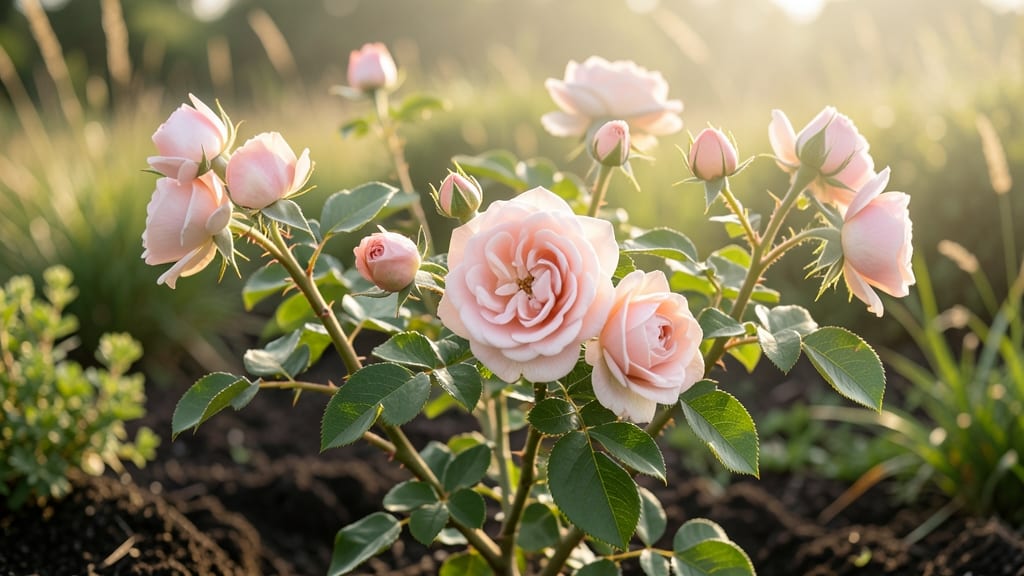
Growing a fruit rose apple (Syzygium malaccense) means year-round blooms and sweet fruit—if you prune it right. 🌸 I’ve learned that this tropical beauty thrives with seasonal shaping, not just spring cleanup, and the difference between a bush full of flowers and one struggling to bloom comes down to timing and technique.
The first step is matching its needs: warm climates (zones 10-11), rich, well-draining soil, and full sun—but here’s the trick: it’s not just about sunlight. This plant rewards consistent care, and I’ve found that light pruning every 3 months keeps it productive without stressing it.
The goal is to encourage new growth where blooms form, not just chop back randomly.
By summer, you’ll see clusters of fragrant white flowers and tiny green fruits forming—harvest-ready in 6-8 months—while the glossy leaves stay vibrant. The key is balancing shape and airflow: open the center to prevent disease, but don’t overdo it or you’ll sacrifice blooms.
Think of it like sculpting, not hacking.
Works for both ornamental gardens and fruit production, but patience is key—it takes 3-5 years for mature fruit yields. Start small with cuttings or young plants, and soon you’ll have a bush that’s as beautiful as it is useful. Ready to transform your yard into a tropical paradise?
📚 In This Guide
- What you need
- Instructions
- Tips and common mistakes
- Wrapping up and next steps
What you need
- ● Fruit Rose Apple Tree: 1 healthy, mature tree (aged 2–5 years for best results)
- ○ Optional: Grafted variety for improved fruit quality (e.g., 'Malay Apple')
- ● Pruning Tools: 1 pair of bypass pruners (sharp, 5–7 inch blades)
- ● 1 pruning saw (for thicker branches, 8–10 inch blade)
- ● 1 sterilizing solution (70% isopropyl alcohol or diluted bleach)
- ○ Optional: Loppers (for branches ½–1.5 inches thick)
- ● Safety Gear: 1 pair of gloves (cut-resistant, size medium/large)
- ● 1 safety goggles (to protect from debris)
- ● Climate: Tropical or subtropical (USDA Zones 10–12; hardy to 30°F/-1°C)
- ● Sunlight: Full sun (6+ hours daily)
- ● Soil: Well-draining, slightly acidic (pH 5.5–6.5)
- ● Amend with: Compost or organic matter (1–2 lbs per square foot)
- ● Water Access: Drip irrigation or hose (avoid overhead watering)
- ○ Optional: Mulch (2–3 inches of wood chips to retain moisture)
Step-by-Step guide to year-round pruning for continuous fruit rose apple blooms
Here’s the pruning schedule and technique I use to keep my fruit rose apple trees blooming nonstop.
✂️ Step 1: Late Winter Pruning for Structural Strength
Prune your fruit rose apple in late winter (just before buds swell) to remove dead, diseased, or crossing branches. I start by cutting back any branches that are thinner than a pencil—these won’t produce fruit and compete with stronger growth. Use clean, sharp pruners to make cuts at a 45-degree angle, just above an outward-facing bud.
This is also the time to thin out crowded branches to improve airflow. I aim for an open-center shape, letting light reach the center of the tree. Watch for suckers (shoots growing from the base) and remove them immediately—they drain energy from fruit production.
🌿 Step 2: Spring Pruning to Encourage Bloom Clusters
After the first flush of blooms appears in early spring, do a light pruning to shape the tree and encourage fruit clusters. Cut back any overly long shoots to 12-18 inches, leaving 3-5 buds on each branch. This prevents leggy growth and directs energy toward fruit development.
I also remove spent blooms (those that didn’t set fruit) by cutting just above the next healthy bud. This prevents the tree from wasting energy on seed production. If you see weak, water-sprout growth, prune it entirely—it’s nonproductive and can harbor pests.
☀️ Step 3: Mid-Summer Pruning for Airflow and Light
In mid-summer, when the tree has finished fruiting, do a light thinning prune to improve airflow and sunlight penetration. Remove any shoots growing inward or shading the center. I also cut back overly vigorous branches by one-third to balance growth.
This is the time to shape the tree’s canopy—aim for a rounded, open structure where branches don’t overlap. If you see small, crowded clusters of fruit, thin them to 1-2 apples per cluster to ensure larger, healthier fruit. Watch for suckers or water sprouts and prune them aggressively—they steal nutrients from fruit production.
⏰ Step 4: Fall Pruning for Winter Preparation
In early fall, before the first frost, do a final light pruning to remove deadwood, diseased branches, and any remaining suckers. I also cut back overly long shoots to 6-12 inches, leaving 2-3 buds. This prevents winter dieback and encourages early spring growth.
This is also the time to sterilize your pruners with rubbing alcohol to prevent spreading disease. If your tree has thick, woody branches, avoid heavy pruning—focus on shaping and thinning rather than aggressive cuts. By winter, your tree should have a balanced, open structure ready for another year of blooms.
Tips & tricks for perfect year-round fruit rose apple care
Between us, these insights will help you avoid the most common pruning pitfalls while maximizing your fruit rose apple's blooming potential.
Tool Preparation: Before you even touch your tree, sterilize your pruners with rubbing alcohol between cuts—especially in Step 1 and Step 4. I keep a small bottle of 70% isopropyl alcohol in my pruning kit and wipe down blades after every 3-4 cuts. This prevents spreading bacterial diseases like fire blight that can devastate your tree's health and future blooms. The 45-degree angle cuts mentioned in Step 1 should also be made just above an outward-facing bud to encourage proper regrowth direction.
Seasonal Timing Secret: The exact timing of each pruning season matters more than you might think. For Step 1's late winter pruning, look for the moment when buds are just beginning to swell but haven't yet opened—this is your window to shape the tree's structure without removing potential bloom sites. In Step 2's early spring, wait until you see the first flush of blooms before pruning, but don't delay more than 2 weeks or you risk encouraging leggy growth. I mark my calendar with the average last frost date in my zone and schedule pruning 3-4 weeks after that.
Visual Pruning Cues: When shaping your tree in Steps 2 and 3, use these visual checks: For Step 2's 12-18 inch shoots, imagine a baseball bat—if the branch extends beyond that length, it's time to trim. In Step 3's mid-summer pruning, look for branches that create a "V" shape when viewed from above—these are shading the center and should be removed. The goal is to create a dome shape where sunlight can reach all parts of the canopy. For fruit thinning in Step 3, leave only the largest, healthiest apple in each cluster—it should be at least the size of a golf ball.
Post-Pruning Recovery: After each major pruning session (Steps 1 and 4), give your tree a boost by applying a balanced fertilizer with equal parts nitrogen, phosphorus, and potassium. I use a 10-10-10 formula in early spring after Step 1 and again in early fall after Step 4. This helps compensate for the energy your tree expends during the healing process. Also, avoid heavy watering immediately after pruning—wait 3-4 days to allow cut surfaces to callus over and prevent disease entry points.
Pro Tips for Fruit Rose Apple
- Between us, these insights will help you avoid the most common pruning pitfalls while maximizing your fruit rose apple's blooming potential.
- Tool Preparation: Before you even touch your tree, sterilize your pruners with rubbing alcohol between cuts—especially in Step 1 and Step 4.
- Seasonal Timing Secret: The exact timing of each pruning season matters more than you might think.
Frequently asked questions
Got questions about growing fruit rose apples for year-round blooms? Here are some common ones—and their answers!
Whether you're a pruning pro or just starting, these tips will help you keep your tree thriving.
How often should I prune a fruit rose apple for continuous blooms?
Prune your fruit rose apple every 3-4 months to encourage new growth and blooms. Light trimming after each flush (spring, summer, and fall) keeps the tree balanced. Avoid heavy pruning in winter—focus on shaping and removing dead wood instead. Pro tip: Always use sterilized tools to prevent disease!
When is the best time to prune for maximum fruit production?
The ideal times are right after harvest (late summer) and in early spring (before new growth). Summer pruning stimulates fall blooms, while spring cuts prep the tree for summer fruit. Skip winter pruning unless removing dead branches—cold stress can slow healing. Timing is key!
What if my fruit rose apple isn’t blooming after pruning?
Check these fixes:
- Light exposure—ensure it gets 6+ hours of sun daily**.
- Soil health—test pH (ideal: 6.0-7.0) and amend with compost.
- Over-pruning—avoid cutting >30% of branches at once. If blooms still lag, fertilize with low-nitrogen, high-phosphorus (like 5-10-10) to boost flowering.
Can I grow fruit rose apples in containers? What size pot do I need?
Yes! Use a 15-20 gallon pot with drainage holes and well-draining soil (mix potting soil with perlite). Dwarf varieties like ‘Pink Pearl’ thrive in containers. Prune more aggressively (since roots are limited) to control size. Move pots indoors in winter if temps drop below 40°F (4°C).
What’s the best alternative if my fruit rose apple isn’t thriving?
Try these low-maintenance alternatives for year-round blooms and fruit:
- Jaboticaba – Self-pollinating, cold-hardy, and produces fruit on old wood.
- Loquat – Thrives in warm climates, blooms winter-spring.
- Dwarf Citrus (e.g., Calamondin) – Compact, great for containers, and blooms often.
- Apple (Columnar Varieties) – Requires less pruning but still yields fruit.
Wrapping up and next steps
Growing a fruit rose apple is a rewarding journey that combines beauty and bounty—literally! 🌸 With the right pruning techniques, you’ll enjoy continuous blooms and delicious fruit year-round. Remember, patience and consistency are key, so don’t hesitate to experiment with your approach.
Ready to take the next step? Start small: pick one branch to practice your pruning skills, and soon, your fruit rose apple will thrive like never before. Happy gardening! 🌱