
Plants
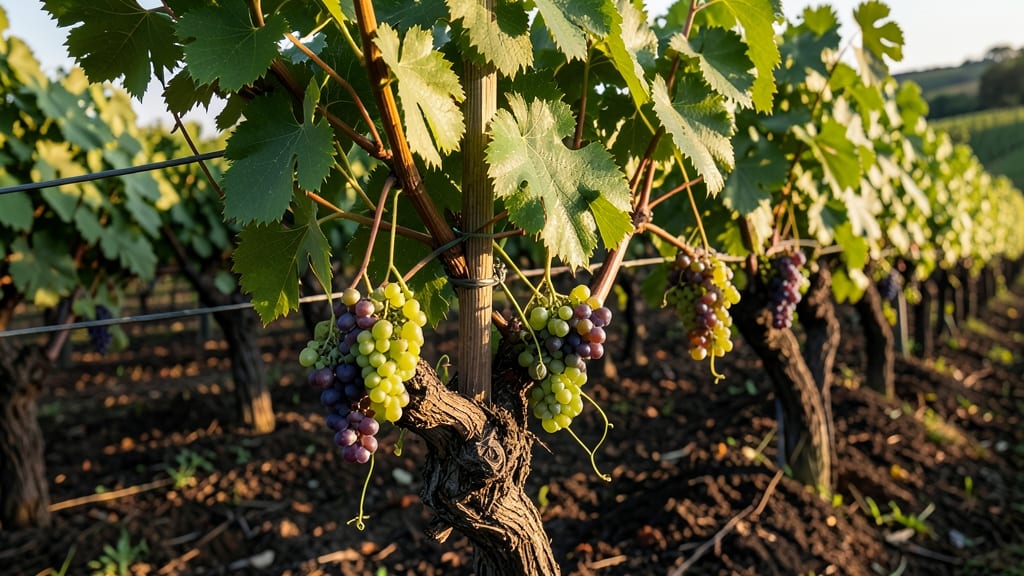
Your grape vine fruiting success starts with one simple truth: pruning isn't about cutting back—it's about shaping the future harvest. ✂️ I've watched vines go from tangled messes to productive powerhouses in just one season by mastering the right cuts at the right time.
The key? Understanding how grapevines grow and what they need to focus energy on fruit, not just leaves.
Sunlight, soil, and seasonal timing create the foundation. Grapevines thrive in full sun (6+ hours daily) with well-draining soil rich in organic matter. Most fruiting happens on new growth from last year's wood, so winter pruning opens the canopy to let light reach the center—where those precious clusters form.
The right balance of nitrogen and potassium in spring keeps vines vigorous but not leafy at the expense of fruit.
What you'll end up with is a vine that produces consistent, high-quality fruit year after year, with clusters that ripen evenly and burst with flavor. The first harvest might be modest, but each season builds on the last—like compound interest for your garden.
You'll know you've nailed it when your neighbors start asking for cuttings of your most productive vines.
This works for both backyard gardeners and small-scale growers, adapting to trellis systems or sprawling arbors alike. The principles stay the same whether you're growing muscadines, concord grapes, or wine varieties. Let's get those canes pruned and those clusters growing!
📚 In This Guide
- What you need
- Instructions
- Tips and common mistakes
- Wrapping up and next steps
What you need
- ● Grape Vine: 1 mature vine (preferably Vitis vinifera or cold-hardy varieties like Concord or Niagara)
- ● Age: 3–5 years old (for established fruiting)
- ● Pruning Tools: 1 pair of bypass pruners (sharp, clean, and sterilized)
- ● 1 pair of long-handled loppers (for thicker branches, 18–24" reach)
- ● 1 pruning saw (for stubborn wood, 8–10" blade)
- ● Protective Gear: 1 pair of gloves (cut-resistant, like Mechanix or leather)
- ● 1 face shield or safety goggles (to avoid debris)
- ● Measuring Tape: 25-foot retractable tape (for spacing buds)
- ● Permanent Marker: Fine-tip (to label cuts or buds)
- ● Disinfectant: 70% isopropyl alcohol or bleach solution (1 part bleach to 9 parts water)
- ○ Sealing Wax: Optional (for large cuts, 1 small jar)
- ● Fertilizer: Balanced 10-10-10 or grape-specific fertilizer (apply post-pruning)
- ● Mulch: Wood chips or straw (2–3 inches thick, to retain moisture)
- ● Drip Irrigation Kit: For consistent watering (especially in dry climates)
- ● Trellis System: Adjustable posts and cross-arms (if not already installed)
- ○ Growth Regulator: Paclobutrazol (optional, for dwarfing large varieties)
Instructions for maximizing grape vine fruiting
Here's how to turn your grapevine into a fruit-bearing powerhouse—no guesswork, just proven techniques.
🌱 Step 1: Prune for Structure and Fruit Production
Start by removing dead, diseased, or crossing branches in late winter or early spring. I always cut back to last year's growth—this ensures energy goes to fruit production, not maintaining old wood. Keep only 2-4 main canes per vine, spacing them evenly along the trellis or arbor.
Look for buds that face outward—these will produce fruit. Trim any inward-facing buds, as they won’t receive enough sunlight. Use clean, sharp pruners to make cuts at a 45-degree angle, just above a bud or lateral shoot. This prevents water from pooling and causing rot.
☀️ Step 2: Ensure Proper Sunlight and Airflow
Grapes need full sun (6-8 hours daily) to develop sweet, flavorful fruit. Position your vine where it gets morning sun and afternoon shade if you're in a hot climate—this prevents sunburn on tender grapes. If your vine is shaded, move it or trim nearby trees/shrubs blocking light.
Thin out leaves around fruit clusters to improve air circulation. I like to remove every other leaf along the fruiting cane, leaving just enough to shade the grapes from direct sun. This reduces disease risk and helps the fruit ripen evenly. You’ll see faster ripening and fewer cracked berries when airflow is good.
💧 Step 3: Water Deeply and Consistently
Grapes need 1-2 inches of water per week, especially during flowering and fruiting. Water deeply at the base in the morning to encourage strong root growth. Avoid wetting the leaves—this spreads fungal diseases like powdery mildew. If your soil feels dry 2 inches below the surface, it’s time to water again.
Stop watering 4-6 weeks before harvest to concentrate sugars in the grapes. You’ll notice smaller but sweeter berries when you reduce watering late in the season. Mulch around the base with 2-3 inches of organic mulch to retain moisture and keep roots cool.
✂️ Step 4: Thin Fruit Clusters for Larger Berries
Once grapes form clusters, thin them to 6-8 inches apart on the cane. This ensures each berry gets enough sunlight and nutrients to grow large and flavorful. Remove small, weak clusters first—they’ll never compete with the others. You’ll end up with fewer but bigger, sweeter grapes.
Use sterilized pruning shears to snip clusters at the base. Don’t pull—this can damage the cane. If you’re growing table grapes, aim for 1-2 clusters per shoot. Wine grapes can handle more, but 3-4 clusters max per cane keeps quality high.
🍇 Step 5: Monitor for Pests and Diseases
Check vines weekly for signs of powdery mildew, aphids, or Japanese beetles. Early detection is key—spray with neem oil or insecticidal soap at the first sign of trouble. I also remove fallen leaves and fruit from the base to prevent pests from overwintering.
If you see yellowing leaves, it could mean overwatering or nutrient deficiency. Test your soil and amend with balanced fertilizer (10-10-10) in early spring. Avoid high-nitrogen fertilizers—they promote leafy growth at the expense of fruit. A healthy vine will have dark green, glossy leaves and strong, woody canes.
Tips & tricks for perfect grape vine fruiting
Real talk: Pruning and care aren't just about cutting branches—they're about setting up your vine for maximum fruit production. Here's what nobody tells you about getting those juicy grapes you're dreaming of.
Pruning Precision: When you're cutting back to last year's growth in Step 1, focus on keeping those 2-4 main canes strong and evenly spaced. I've learned the hard way that crowded canes compete for sunlight and nutrients, leading to smaller fruit. If your vine has more than 4 canes, thin aggressively—it's better to have fewer, healthier canes producing great fruit than many struggling ones. That 45-degree angle cut above a bud isn't just a detail—it's what prevents water from pooling and causing rot that can kill your vine.
Sunlight Strategy: Those 6-8 hours of daily sun in Step 2 are non-negotiable for sweet grapes. I've seen vines in partial shade produce grapes that taste more like water. If your vine is in a hot climate, that morning sun/afternoon shade combo is crucial—it prevents sunburn on tender grapes while still giving them plenty of light. Pro tip: Rotate your vine's position every few years to ensure all parts get equal sunlight exposure over time.
Watering Wisdom: The 1-2 inches per week guideline in Step 3 is perfect, but timing matters just as much. I always water in the morning so the leaves have time to dry completely—this prevents fungal diseases like powdery mildew that can ruin your harvest. And that 4-6 week water reduction before harvest? It's what makes the difference between good grapes and showstoppingly sweet ones. Your vines will thank you with concentrated flavor.
Cluster Care: When thinning those fruit clusters to 6-8 inches apart in Step 4, don't just grab and pull—use sterilized pruning shears to make clean cuts at the base. I've seen too many people damage the cane by pulling, which can introduce infections. And remember, those 1-2 clusters per shoot for table grapes? That's the sweet spot for maximum berry size and flavor. More clusters might seem like more fruit, but they'll just be smaller and less flavorful.
Pro Tips for Grape Vine Fruiting
- Real talk: Pruning and care aren't just about cutting branches—they're about setting up your vine for maximum fruit production.
- Pruning Precision: When you're cutting back to last year's growth in Step 1, focus on keeping those 2-4 main canes strong and evenly spaced.
- Sunlight Strategy: Those 6-8 hours of daily sun in Step 2 are non-negotiable for sweet grapes.
Frequently asked questions
Got questions about grape vine fruiting?
You’re not alone! Whether you’re a first-time grower or a seasoned gardener, timing, techniques, and troubleshooting can be tricky. Here are the answers to the most common questions to help you cultivate a thriving vine and bountiful harvest.
When do grape vines start fruiting, and how long does it take?
Most grape vines take 2–3 years to produce fruit after planting, but some varieties (like Concord or Thompson Seedless) may fruit sooner under ideal conditions. Patience is key—focus on establishing a strong root system and proper pruning in the first year to speed up fruiting.
How do I know if my grape vine is fruiting correctly?
A healthy fruiting grape vine will have well-spaced clusters (not too crowded), green buds swelling in spring, and new shoots growing from the pruned canes. If you see no buds or only male flowers (common in some varieties), your vine may need better sunlight, balanced fertilization, or hand-pollination (if self-pollinating).
What’s the best temperature for grape fruiting, and can they handle heat/cold?
Grape vines thrive in warm days (70–90°F) and cool nights (50–60°F) during fruiting. Extreme heat (above 100°F) can cause sunburn or shatter (flower drop), while frost (below 28°F) can damage buds. Use shade cloth in summer or mulch in winter to protect your vines.
Can I force grape vines to fruit earlier or later in the season?
While you can’t drastically change the natural cycle, you can prune strategically in late winter to encourage earlier blooming or delay harvesting by thinning clusters to reduce stress. For year-round fruiting, consider ever-bearing varieties (like Muscadine) or grow in a greenhouse. Just remember—rushing fruiting may reduce yield or quality.
Why aren’t my grape clusters developing, even though the vine looks healthy?
Several factors could be at play: poor pollination (hand-pollinate if needed), nutrient deficiency (add potassium or phosphorus), overwatering (root rot can kill buds), or disease (like black rot or powdery mildew). Inspect leaves for spots, check soil moisture, and ensure your vine gets 6+ hours of sunlight daily. If issues persist, consult a local extension service for a diagnosis.
Pro Tip: Keep a fruiting journal to track pruning dates, weather, and cluster development. This helps you spot patterns and adjust care for next season!
Wrapping up and next steps
Mastering the art of grape vine fruiting is all about patience, precision, and a little extra love for your plants! 🌱 By understanding the right timing, tools, and techniques—like strategic pruning, balanced fertilization, and pest control—you’re well on your way to enjoying a year-round harvest of luscious grapes.
Whether you're a seasoned gardener or just starting out, every well-tended vine brings you closer to that sweet, sun-ripened reward.
Now that you’re armed with knowledge, take the next step: roll up your sleeves and prune! 💪 Start with one vine, refine your approach, and soon, your garden will be bursting with flavor. Happy growing—and here’s to your first (or next!) bountiful harvest! 🍇