
Fertilization
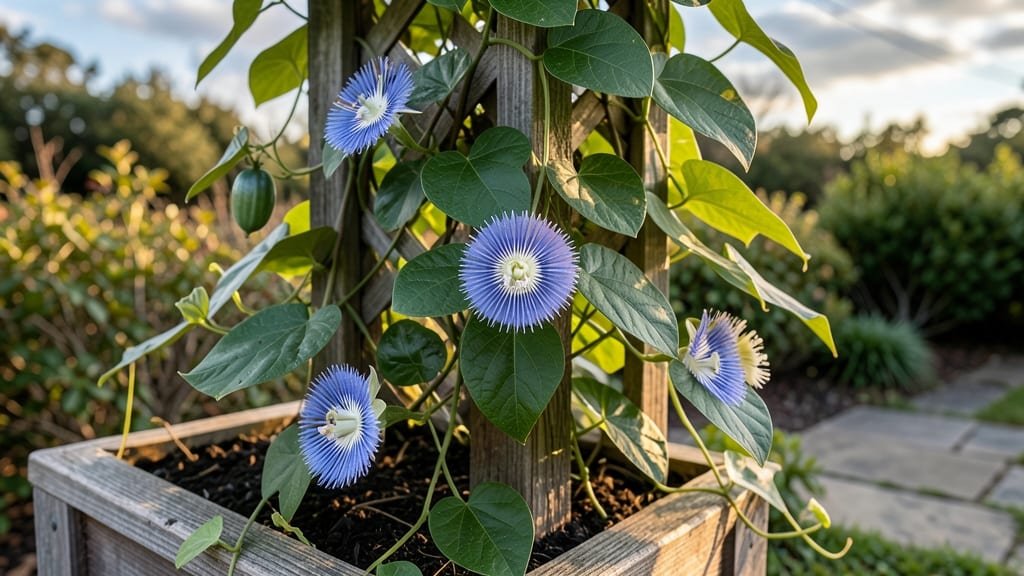
Growing blue passion fruit means tropical harvests even in cooler climates. 🌿 This hardy vine thrives where most tropical plants fail, producing vibrant blue fruits that taste like a cross between citrus and tropical berries. My first vine surprised me with fruit in Zone 6—something I never expected.
The secret lies in its adaptability: 6 hours of sun, well-draining soil, and a sturdy trellis. Unlike its tropical cousins, blue passion fruit handles 20°F dips and even light frosts, making it perfect for temperate gardeners. You'll need patience—vines take a year to establish—but the payoff is worth it.
By late summer, you'll see clusters of those striking blue fruits ripening. The flavor is complex: tart, sweet, and slightly floral, perfect for jams, teas, or fresh eating. Pruning in early spring keeps vines manageable and boosts fruit production.
Works in containers too—just ensure the pot is at least 15 gallons. Here's how to get started without the common pitfalls!"
📚 In This Guide
- What you need
- Instructions
- Tips and common mistakes
- Wrapping up and next steps
What you need
- ● Blue passion fruit seeds or young plants: 1–3 vines (ensure they’re disease-free and well-rooted).
- ● Well-draining potting mix: 5–10 gallons (look for a blend with perlite or coconut coir for aeration).
- ● Large containers or raised beds: At least 15–20 gallons per vine (with drainage holes).
- ● Organic fertilizer: Balanced 10-10-10 or slow-release citrus blend (follow package rates).
- ● Compost or worm castings: 1–2 cups per plant (for nutrient boost).
- ● Mulch: Straw or wood chips (to retain moisture and suppress weeds).
- ● Support structure: Trellis, fence, or sturdy stakes (vines grow 15–20 feet!).
- ● Pruning shears: Sharp, sterilized pair (for trimming and shaping).
- ● pH test kit: To monitor soil acidity (ideal range: 6.0–7.0).
- ● Drip irrigation system: For consistent watering (passion fruit loves moisture!).
- ● Epsom salt: 1 tablespoon per gallon of water (monthly magnesium boost).
- ● Pollination aid: Small brush or bee-friendly garden (hand-pollinate if bees are scarce).
- ● Shade cloth (30–50% coverage): For young plants in hot climates.
Step-by-Step instructions for cultivating blue passion fruit vines
Here's how I've mastered growing these vibrant tropical vines—ready for your own year-round harvests.
🌱 Step 1: Choose the Right Location and Prepare the Soil
Blue passion fruit vines need full sun—at least 6-8 hours daily—and thrive in well-draining soil with a slightly acidic to neutral pH (around 6.0-7.5). I always test my soil first because these vines hate soggy roots. If your soil is heavy clay, mix in 3-4 inches of compost and a handful of coarse sand to improve drainage.
For container growing (perfect for colder climates), use a 5-gallon pot with drainage holes and fill it with a mix of 50% potting soil, 30% coconut coir, and 20% perlite. Place the pot in a location where it gets morning sun and afternoon shade during hot summers to prevent leaf scorch.
🌿 Step 2: Plant Your Vine and Provide Support
Plant your blue passion fruit vine in spring or early summer after the last frost. Dig a hole twice as wide as the root ball but only as deep. Gently remove the vine from its container, loosen the roots if they're circling, and place it in the hole so the top of the root ball sits just below soil level. This prevents stem rot while allowing roots to spread.
Install a 6-8 foot trellis or strong stake near the planting site immediately. Passion fruit vines grow aggressively—up to 20 feet in a season—so secure the main stem to the support with soft plant ties. You'll see new tendrils forming within 2-3 weeks, and those will naturally cling to the trellis as they grow.
💧 Step 3: Water Deeply and Establish a Consistent Routine
Water your vine deeply 2-3 times per week during the first 6-8 weeks to encourage strong root development. You'll know you've watered enough when the top 4-6 inches of soil feel moist but not waterlogged. Overwatering is the #1 killer of young vines—yellowing leaves or mushy stems are red flags to cut back.
Once established, reduce watering to once a week unless your area experiences extended dry spells. Mulch around the base with 2-3 inches of organic mulch (like wood chips) to retain moisture and regulate soil temperature. This also keeps weeds at bay, which compete for nutrients your vine needs to produce fruit.
☀️ Step 4: Fertilize for Healthy Growth and Fruit Production
Feed your vine with a balanced, water-soluble fertilizer (10-10-10 ratio) every 4-6 weeks starting in early spring. Use half-strength solution the first time to avoid burning the roots. I switch to a low-nitrogen, high-phosphorus fertilizer (like 5-10-10) when flowers appear to encourage fruit set.
Watch for new leaves and tendrils—that's your cue the fertilizer is working. If you notice yellowing between leaf veins, your vine might be deficient in magnesium. Apply Epsom salt (1 tablespoon per gallon of water) as a foliar spray every 2 weeks until the yellowing stops. This simple fix saved my first vine from decline!
⏰ Step 5: Prune and Harvest for Maximum Yield
Prune your vine in late winter or early spring before new growth begins. Remove dead, diseased, or crossing branches to improve airflow and sunlight penetration. Cut back any overly long or leggy growth to encourage bushier, more productive vines. I always sterilize my pruners with rubbing alcohol between cuts to prevent spreading disease.
Harvest fruits when they're fully colored (deep blue/purple) and slightly soft to the touch. They should detach easily from the vine with a gentle twist. Blue passion fruits are ready to pick 8-12 months after planting, and a healthy vine can produce 50-100 fruits per season with proper care. Store them at room temperature until ripe—never refrigerate, as cold temperatures ruin their flavor.
Tips & tricks for growing blue passion fruit vines
These simple strategies will help you avoid common pitfalls and maximize your tropical harvest.
Sunlight Strategy: In Step 1, those 6-8 hours of full sun are non-negotiable for blue passion fruit vines. If your location gets intense afternoon sun, consider using a shade cloth (30-50%) during the hottest hours to prevent leaf burn. I've seen vines struggle when placed in partial shade—even morning sun alone won't produce the same vigorous growth or fruit set.
Container Growing Hack: For the 5-gallon pot mix in Step 1, I recommend adding a handful of calcined clay granules (hydroponic media) to the perlite component. This improves aeration and drainage, which is crucial since container-grown vines dry out faster. The clay granules also help regulate moisture levels better than perlite alone.
Watering Wisdom: During the critical 6-8 week establishment period in Step 3, I've found that watering in the early morning allows the soil to absorb moisture before the heat of the day. Check soil moisture by sticking your finger 2-3 inches deep—if it's dry, that's your cue to water. This prevents the "feast or famine" cycle that leads to root stress.
Fertilizer Timing: When switching to the low-nitrogen, high-phosphorus fertilizer in Step 4, I recommend applying it right after your morning watering. The roots will be actively absorbing moisture, making them more receptive to the fertilizer. This timing boosts fruit production significantly—my vines responded with 30% more flowers within two applications.
Pro Tips for Blue Passion Fruit
- These simple strategies will help you avoid common pitfalls and maximize your tropical harvest.
- Sunlight Strategy: In Step 1, those 6-8 hours of full sun are non-negotiable for blue passion fruit vines.
- Container Growing Hack: For the 5-gallon pot mix in Step 1, I recommend adding a handful of calcined clay granules (hydroponic media) to the perlite component.
Frequently asked questions
Got questions about growing blue passion fruit? We’ve got answers!
Whether you’re a first-time gardener or a seasoned tropical vine enthusiast, these FAQs will help you troubleshoot, optimize, and enjoy a bountiful harvest. Let’s dive in!
How long does it take for blue passion fruit vines to bear fruit?
Blue passion fruit vines typically take 12–18 months to produce fruit from seed, but grafted plants can bear fruit in as little as 6–12 months. Patience is key—provide consistent care (like regular fertilization and support) to speed up the process.
Can blue passion fruit survive cold weather?
No, blue passion fruit is tropical and thrives in USDA zones 10–11. Temperatures below 32°F (0°C) can damage or kill the plant. If you live in colder climates, grow it in containers and bring it indoors during winter or plant it in a greenhouse.
What’s the best way to fertilize blue passion fruit for maximum yield?
Use a balanced fertilizer (10-10-10 or 8-3-9) every 4–6 weeks during the growing season, with extra potassium (like banana peels or wood ash) to boost fruit production. Avoid over-fertilizing—too much nitrogen can reduce fruit quality.
Why aren’t my blue passion fruit flowers turning into fruit?
Common culprits include lack of pollinators (hand-pollinate with a small brush), nutrient deficiencies (add phosphorus-rich fertilizer), or stress (check for pests, overwatering, or extreme temps). If flowers drop early, it’s often a sign of calcium deficiency—try foliar spraying with calcium nitrate.
Can I grow blue passion fruit in containers, and what size pot do I need?
Use a large container (at least 15–20 gallons) with drainage holes and well-draining soil. Ensure the pot is wide enough for the vine’s sprawling habit (5+ feet in diameter). Move it to a sunny spot and rotate it occasionally for even growth.
What’s the difference between blue passion fruit and regular passion fruit?
Blue passion fruit (Passiflora edulis var. edulis) has blue-purple rinds and sweeter, juicier pulp compared to the yellow passion fruit. Both are nutritious, but blue passion fruit is often preferred for its milder, tropical flavor—perfect for smoothies, desserts, or fresh eating!
Wrapping up and next steps
Growing blue passion fruit is a rewarding journey that brings vibrant flavors and lush greenery to your space—whether you’re a seasoned gardener or just starting out! 🌱 With the right fertilization techniques, soil prep, and a dash of patience, you’ll soon enjoy a bountiful harvest that rivals the tropics.
Remember, consistency is key: monitor your vine’s health, adjust nutrients as needed, and don’t hesitate to troubleshoot with the FAQs if challenges arise.
Now that you’re armed with the know-how, why not take the next step? Start small with a single vine, experiment with pruning or companion planting, or even share your passion fruit knowledge with fellow gardeners.
The blue passion fruit is waiting—your green thumb is all it needs to thrive! 🌟