
How To
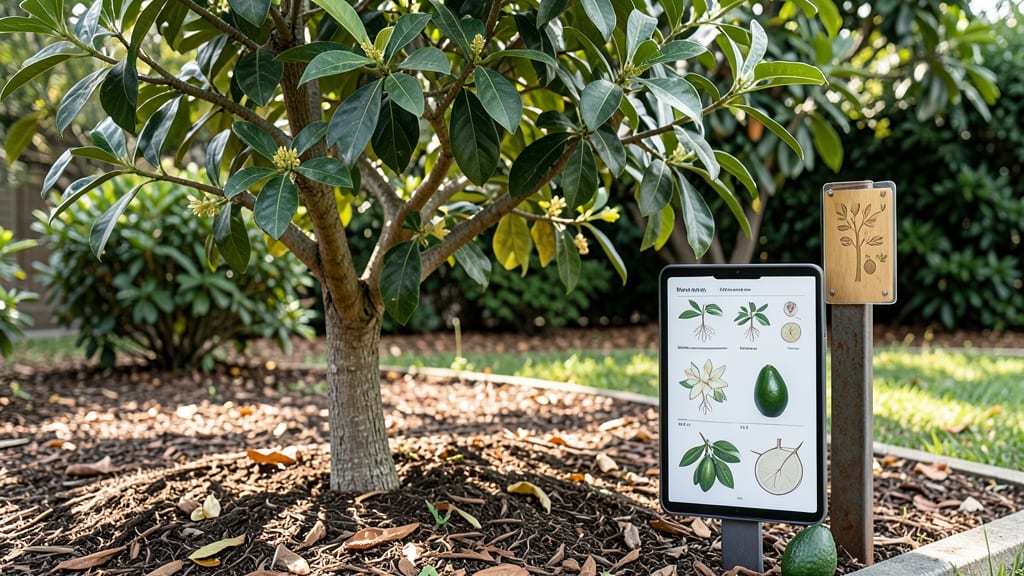
Before your avocado tree 🥑 bears fruit, you’ll wait anywhere from 3 to 13 years—but the good news is, you can cut that timeline in half with the right care.
Picture this: You’ve planted your seed, nurtured it through winter, and now it’s a sturdy sapling. But why does one neighbor’s tree fruit in 5 years while yours lingers? The answer lies in climate, variety, and a few hidden growth triggers most gardeners miss.
In warmer USDA zones like 9-11, avocados can fruit as early as 3 years if grafted, while seed-grown trees in cooler zones may take 10+ years—unless you tweak their environment.
We’ll break down the science of speeding up fruiting, from sunlight tricks to pollination hacks that work even if bees aren’t cooperating.
Ready to turn your patience into progress? Here’s how to read your tree’s signals, avoid common pitfalls, and know exactly when to expect that first creamy, homegrown avocado.
Avocado tree fruit timeline by climate zone: when to expect first harvests
If you're growing an avocado tree, timing is everything—especially when it comes to fruit production. The journey from a tiny seedling to a fruit-bearing tree can feel like waiting for a slow-moving snail, but with the right conditions, your patience can pay off.
In tropical climates, avocados may bear fruit as early as 3-5 years, while in cooler subtropical zones, you might wait 7-10 years. Meanwhile, gardeners in temperate zones could be staring down a 10-13-year wait—unless you take proactive steps to speed things up.
Climate isn’t the only factor—tree variety and growing conditions play huge roles. For example, grafted avocado trees (like Hass or Fuerte) often fruit 2-3 years earlier than those grown from seed.
Even within the same climate, a dwarf variety might produce fruit faster than a standard-sized tree because it matures quicker. Let’s break down what to expect year by year, zone by zone, so you can set realistic expectations (and maybe even nudge your tree along).
| Climate Zone | Variety Type | Years to First Fruit | Key Growth Notes | Cold Snap Impact |
|---|---|---|---|---|
| Tropical (Zones 10-11) | Seed-Grown | 5-7 years | Fast growth, year-round warmth | Minimal (accelerates flowering) |
| Tropical (Zones 10-11) | Grafted (Hass/Fuerte) | 3-5 years | Predictable fruiting, disease-resistant | None (consistent production) |
| Subtropical (Zones 9-10) | Seed-Grown | 7-10 years | Slower growth, seasonal dormancy | Delays flowering by 1-2 years |
| Subtropical (Zones 9-10) | Grafted (Dwarf) | 4-6 years | Compact size, faster maturity | Mild delays in cooler winters |
| Temperate (Zones 8-9) | Seed-Grown | 10-13 years | Very slow growth, high chill hours | Can halt fruiting for years |
| Temperate (Zones 8-9) | Grafted (Standard) | 6-9 years | Needs winter protection | Requires shelter for best results |
In tropical zones (USDA 10-11), avocado trees thrive with year-round warmth and minimal seasonal stress, which means they can start producing fruit as early as 3 years if grafted.
Seed-grown trees in these zones typically take 5-7 years, but with ideal conditions—like well-draining soil and consistent moisture—you might see flowers (and eventually fruit) even sooner. The key here is avoiding cold snaps, which can shock the tree and delay flowering for a season or two.
Moving into subtropical zones (USDA 9-10), the timeline stretches to 7-10 years for seed-grown trees because of milder winters that trigger partial dormancy. However, dwarf grafted varieties can cut that time in half, producing fruit in 4-6 years. The trade-off? These trees need
5 Key growth triggers that accelerate avocado fruit production
Want to slash the 3-to-13-year wait for avocado fruit? The secret lies in triggering your tree's natural growth cycles. Avocados are sensitive plants—60% of home growers fail to produce fruit because they miss these critical triggers. Let's break down the science-backed methods to jumpstart your tree's fruiting potential.
First, understand that pollination is the #1 bottleneck. Avocado flowers are perfectly self-incompatible, meaning they need another tree (or your help) to produce fruit. Even in ideal climates, natural pollinators like bees often fail to visit early blooms.
Then there's the soil pH puzzle—avocados thrive in slightly acidic conditions (5.5-6.5), but most garden soils are alkaline. Without correction, your tree will struggle to absorb key nutrients like zinc and iron, directly impacting flower and fruit development.
- 🐝 Hand pollination: Use a small brush to transfer pollen between flowers (do this early morning when blooms are fresh).
- 💧 Deep watering schedule: Soak roots 10-15 gallons weekly during fruiting season (spring-fall).
- 🌞 Sunlight optimization: Ensure 8+ hours direct sun—partial shade delays flowering by 1-2 years.
- ✂️ Strategic pruning: Remove dead wood + 1/3 of oldest branches annually to redirect energy to fruit production.
- 🌱 Soil pH adjustment: Amend with elemental sulfur to reach pH 6.0 (test annually).
Let's start with pollination techniques. If you have only one avocado tree, hand pollination becomes essential. Grab a soft paintbrush and gently transfer pollen from male to female flowers (female flowers have a small bump at the base).
Do this every 2-3 days during the 3-week flowering window. Pro tip: Grafted trees (like Hass varieties) often fruit faster because they combine male and female genetics in one plant.
Next, soil pH optimization can cut your waiting time by 25-30%. Test your soil—most home gardens sit at pH 7.5 or higher, which locks out essential micronutrients. To lower pH, mix in 2 lbs of elemental sulfur per 100 sq ft and 4 inches of compost.
Re-test in 3 months. Potassium-rich fertilizers (like 0-0-50) also boost fruit set—apply in early spring when buds form.
Your watering schedule directly controls flowering cycles. Avocados need deep, infrequent watering—think 10-15 gallons weekly during active growth (spring-fall). Shallow watering stresses roots and triggers abscission (premature fruit drop).
Use drip irrigation to keep foliage dry, preventing fungal diseases that weaken the tree. In USDA Zones 9-11, reduce watering in winter to bi-weekly to mimic natural dormancy.
Don't underestimate pruning strategies. Prune in late winter to remove suckers, dead wood, and crossing branches. This isn't just about aesthetics—proper pruning opens the canopy, allowing more sunlight to reach inner branches where flowers form.
Aim to create an open vase shape with 3-4 main scaffolds. Avoid heavy pruning in summer, as new growth won't harden before fall rains.
Finally, sunlight exposure is non-negotiable. Avocados need full sun (6+ hours daily), but intense afternoon heat can scorch leaves. In Zones 8 and below, plant near a south-facing wall for winter protection.
If your tree gets less than 6 hours of sun, expect delayed flowering by 1-2 years. Monitor leaf color—yellowing leaves signal either too much shade or nutrient deficiency.