
Fertilization
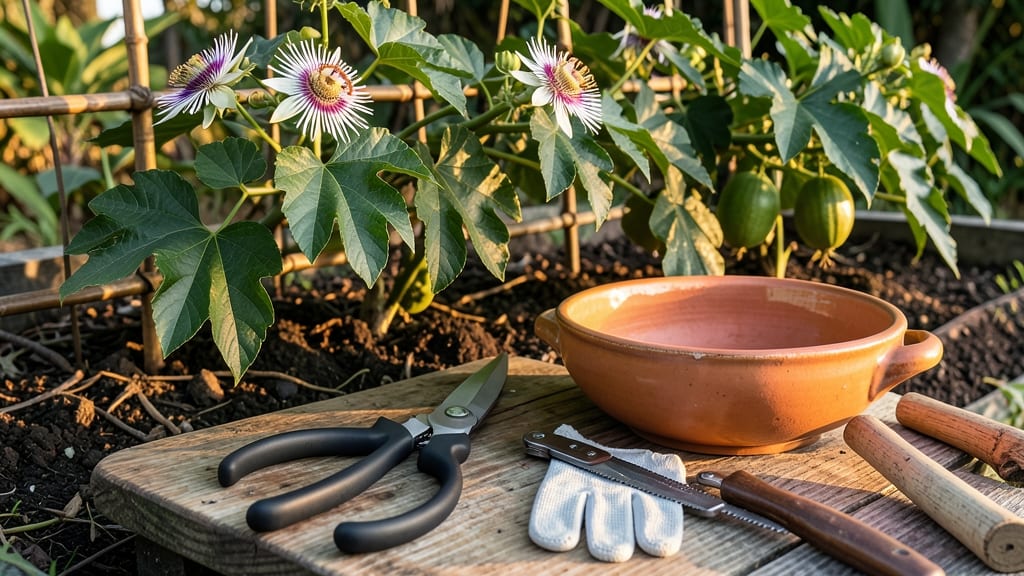
Cutting passion fruit reveals its creamy heart and juicy seeds—just don’t rush it. 🌿 The secret to perfect extraction starts with spotting the right fruit: ripe passion fruit gives slightly when gently squeezed, with a papery skin that peels back easily.
One wrong cut and you’ll waste the sweet pulp inside, so let’s do this right the first time.
You’ll need just three things: a sharp knife (serrated works best), a bowl for pulp, and a spoon for scooping. Avoid dull blades—they crush the fruit instead of slicing cleanly. Pro tip: Cut the fruit in half lengthwise, then twist the halves to separate the seeds from the pulp.
The creamy part sticks to the seeds, so scrape it all into your bowl for maximum yield.
What you’ll end up with is a bowl of golden pulp and glossy seeds, ready for smoothies, desserts, or just eating straight from the spoon. The seeds themselves are edible and packed with nutrients, so nothing goes to waste.
Store any leftovers in the fridge for up to 3 days, or freeze the pulp for later use.
Common mistakes? Cutting too early (unripe fruit is bitter) or using a dull knife (which ruins the texture). If the pulp tastes sour, your fruit just needed more time on the vine. With practice, you’ll harvest like a pro—every slice revealing that perfect balance of sweet and tangy goodness.
📚 In This Guide
- What you need
- Instructions
- Tips and common mistakes
- Wrapping up and next steps
What you need
- ● 1-2 ripe passion fruits: Choose ones with a slightly wrinkled, deep purple or yellow skin (depending on the variety).
- ● A sharp chef’s knife or serrated knife: A 6-8 inch blade works best for precision cuts.
- ● A cutting board: Opt for a non-slip surface to avoid accidents.
- ● A small bowl or citrus reamer: For scooping out the pulp and seeds.
- ● Paper towels or a damp cloth: To clean sticky residue and hands.
- ● A passion fruit scooper (if you’re feeling fancy!).
- ● A fine-mesh strainer (to separate seeds from pulp if desired).
- ● Rubber gloves (if you’re squeamish about the sticky mess!).
- ● A small pitcher or blender (for making passion fruit juice or smoothies).
Step-by-step instructions for cutting passion fruit
Here's how to unlock that dreamy, creamy pulp and plump seeds from a ripe passion fruit.
🌿 Step 1: Select and Prepare the Fruit
Pick a passion fruit that yields slightly when pressed gently—this means it's ripe and ready. I like to wash the fruit first under cool water to remove any dirt or waxy residue. Pat it dry with a clean towel, then place it on a cutting board. The fruit's papery skin is tough, so a sharp knife is essential—never use a dull blade, or you'll crush the delicate interior.
Here's the thing—passion fruits vary in size, but most yield about 2 tablespoons of pulp per fruit. A ripe one will have a sweet, musky scent at the stem end. If it smells sour or doesn't give at all, it's not ready yet. Let it ripen a few more days at room temperature.
✂️ Step 2: Slice Open the Fruit
Carefully cut around the fruit's middle, following its natural curves. You want to create two equal halves—this makes it easier to access the pulp inside. I usually start at the top near the stem and slice downward in one smooth motion. Avoid pressing too hard; the skin is thin, and you don't want to puncture the inner membrane where the pulp hides.
Once you've made the initial cut, gently twist the two halves apart. You'll see a vibrant, web-like membrane holding the creamy pulp and seeds. This membrane is what keeps everything contained—don't tear it yet. Instead, hold each half steady and peel back the skin completely, like opening a delicate package.
💧 Step 3: Extract the Creamy Pulp and Seeds
Now for the fun part! Hold one half of the fruit over a bowl or small strainer. With your fingers or a spoon, gently scrape the membrane to release the pulp. You'll see the creamy, tangy pulp ooze out—this is the star of the show. The seeds will follow, floating in the liquid. Watch for the first few drops of pulp to hit the bowl; that's your signal to keep going until the membrane is empty.
I like to use a spoon to help guide the pulp out, especially if the membrane is stubborn. Don't rush this step—the more gently you work, the less you'll mix the pulp with the fruit's fibrous strings. The goal is to keep the seeds intact and the pulp as clean as possible. You'll end up with about 2 tablespoons of pulp per fruit, and it's worth every careful scrape.
🌱 Step 4: Strain and Store for Freshness
Transfer the pulp and seeds into a fine-mesh strainer or cheesecloth to separate any remaining fibers or skin fragments. Give it a gentle squeeze to extract every last bit of creamy goodness. The strained pulp should be smooth and ready to use—no need to rinse, as the natural tanginess is part of the flavor. For 4 servings, you'll have roughly ½ cup of pulp total.
Store the pulp in an airtight container in the fridge for up to 3 days, or freeze it in an ice cube tray for later use in smoothies, desserts, or cocktails. The seeds can be rinsed and dried for planting or saved for garnishes. Real talk: freezing the pulp in small portions makes it super easy to grab for recipes later—no more scrambling to extract it fresh.
☀️ Step 5: Clean Up and Repurpose the Skin
Don't toss the passion fruit skin! It's edible and packed with fiber. You can blend it into smoothies for a boost of nutrients or compost it for your garden. Rinse the cutting board and knife thoroughly—passion fruit pulp can stain, so I like to soak them in warm, soapy water right away. A splash of vinegar helps dissolve any lingering residue.
Here's a pro tip: if you're cutting multiple passion fruits, I keep a small bowl nearby to catch any stray seeds or pulp. This way, nothing goes to waste, and your workspace stays tidy. The creamy pulp you've just extracted is incredibly versatile—try it in homemade granola, yogurt parfaits, or even as a topping for pancakes. You'll love how it elevates any dish with its unique, tropical flavor.
Tips & tricks for perfect passion fruit extraction
Here's what I've learned after extracting pulp from dozens of passion fruits—these little tricks make all the difference!
Selection is Everything: That sweet, musky aroma at the stem end is your golden ticket to perfect pulp. If your passion fruit doesn't smell fragrant or feels rock-hard when gently squeezed, it's not ready—no amount of cutting technique will save it. I've learned the hard way that patience pays off; let underripe fruits sit at room temperature for another day or two. The flavor difference is night and day!
Knife Technique Matters: You don't need a fancy chef's knife—just one that's sharp enough to glide through the papery skin without crushing the delicate interior. I start my cut near the stem and follow the fruit's natural curves, creating two equal halves. The key is to avoid pressing down hard; you're not chopping onions here! A gentle, confident motion prevents puncturing that precious membrane where the pulp hides.
Pulp Preservation: When scraping the membrane in Step 3, work slowly and deliberately. I use a spoon to guide the pulp out rather than my fingers, which can accidentally mix in fibrous strings. The goal is to keep those seeds plump and the pulp completely smooth—like you're trying to extract liquid gold! Remember, those first few drops of pulp hitting your bowl are your signal to keep going until the membrane is completely empty.
Storage Hack: Freezing passion fruit pulp in ice cube trays is a game-changer. Pop out individual cubes and store them in a freezer bag—this makes it effortless to grab just what you need for smoothies, cocktails, or desserts later. The pulp keeps its vibrant color and fresh flavor for months, and you'll never have to rush through extraction again when inspiration strikes.
Pro Tips for Cut Passion Fruit
- Here's what I've learned after extracting pulp from dozens of passion fruits—these little tricks make all the difference!
- Selection is Everything: That sweet, musky aroma at the stem end is your golden ticket to perfect pulp.
- Knife Technique Matters: You don't need a fancy chef's knife—just one that's sharp enough to glide through the papery skin without crushing the delicate interior.
Frequently asked questions
Got questions about cutting passion fruit? You’re not alone—this tropical fruit can be tricky! Here are answers to the most common queries to help you master the art of slicing, juicing, or enjoying its creamy goodness.
How do I know when passion fruit is ripe and ready to cut?
Look for a deep purple or golden-yellow skin (depending on the variety) that gives slightly when gently squeezed. Avoid fruits that feel hard or mushy—overripe ones can be seedy or fermented. A sweet, fragrant aroma near the stem is another ripe-ness signal!
What’s the best way to remove the seeds without losing too much pulp?
After scooping out the pulp with a spoon, press the fruit gently against a fine-mesh strainer to catch seeds while letting the juice drip through. For minimal waste, use a small spoon or a melon baller to scrape the pulp carefully—leave the fibrous core behind to avoid bitterness.
Can I use passion fruit pulp in smoothies or cocktails instead of cutting it whole?
Blend the pulp with seeds
(they’re edible!) for smoothies, or strain it for seed-free cocktails like caipirinhas. For extra creaminess, mix with yogurt or coconut milk. Pro tip: Freeze pulp in ice cube trays for easy, no-waste additions later!
Why does my passion fruit pulp taste bitter or sour?
Bitterness usually means the fruit was underripe or stored improperly. Ripe passion fruit should taste sweet-tart, not harsh. If your pulp is sour, try blending it with honey or citrus to balance flavors. Avoid using green or overly soft fruits—they won’t improve with cutting!
How long does cut passion fruit last in the fridge?
Once cut, store pulp in an airtight container for 2–3 days in the fridge. For longer shelf life, freeze pulp in portions. Whole passion fruit lasts 1 week at room temp (if uncut) or 3–4 days in the fridge. Discard if you notice mold or a fermented smell!
Wrapping up and next steps
Cutting passion fruit is easier than you think—just a little patience and the right technique! With a sharp knife, a sturdy surface, and a few simple steps, you’ll unlock that creamy, tangy goodness in no time.
Whether you’re making smoothies, desserts, or simply enjoying it fresh, your efforts will be rewarded with a burst of tropical flavor.
Now that you’re ready to slice, why not share your passion fruit creations? Try whipping up a refreshing passion fruit smoothie or a zesty marinade—your taste buds (and dinner guests!) will thank you. Happy cutting! 🍈✨