
How To
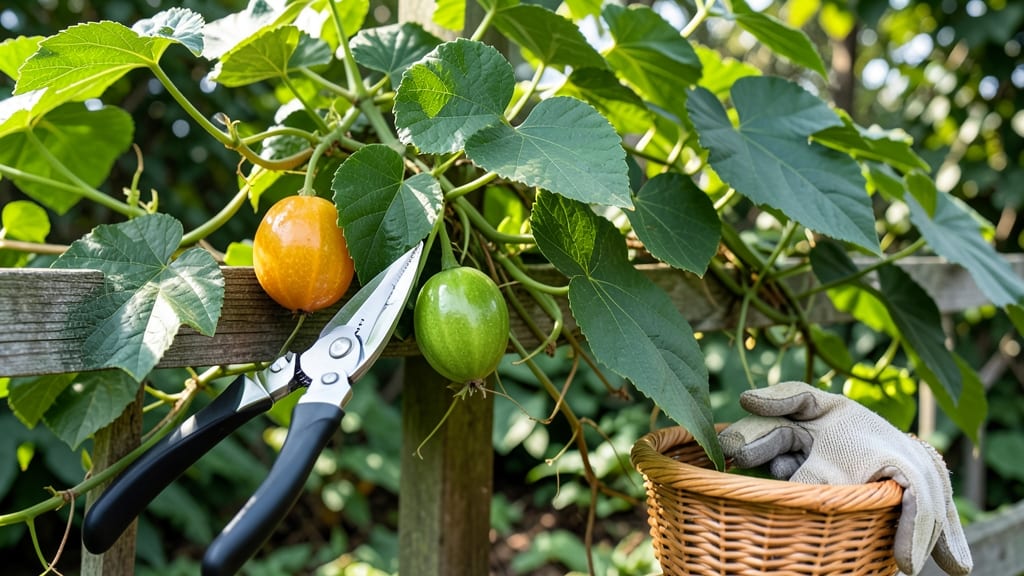
To pick passion fruit at the perfect time, watch for a fully colored skin that yields slightly when pressed—this is when the sweetness peaks in 6-9 months after planting.
Picking passion fruit at the perfect moment can mean the difference between a sweet, juicy reward and a bland, seedy disappointment. But how do you know when those vibrant fruits are truly ready? One wrong twist and you might end up with a fruit that’s still tart or already overripe.
In General (Tropical/Subtropical Regions), passion fruit like the purple or yellow varieties mature year-round, but timing still matters. A fruit that detaches easily with a gentle twist and feels heavy for its size is a sure sign it’s ready to harvest—no more guessing!
Below, I’ll break down the 5 unmistakable ripeness cues, how to test them without damaging the fruit, and what happens if you pick too early or too late. You’ll never second-guess harvest time again.


5 Visual and tactile signs your passion fruit is perfectly ripe
Passion fruit ripeness is all about color shifts, texture changes, and subtle size cues that most gardeners miss. Unlike many fruits, passion fruit doesn't ripen after picking—so timing is everything.
I've learned the hard way that waiting too long means overripe, fermented fruit, while picking too early gives you a bland, seedy disappointment.
The key is understanding the variety-specific signals. Purple passion fruit (Passiflora edulis) and yellow passion fruit (Passiflora edulis flavicarpa) mature differently in both appearance and tactile feedback.
For example, yellow varieties often soften more dramatically than their purple cousins. Let me break down the unmistakable signs that tell you it's time to harvest.
Comparison Table: Purple vs. Yellow Passion Fruit Ripeness Cues
| Ripeness Indicator | Purple Passion Fruit | Yellow Passion Fruit | What It Means |
|---|---|---|---|
| Color Change | Deep purple to dark violet with slight green at base | Green to golden yellow with orange blush | Fully mature skin indicates peak sugar content |
| Texture | Skin softens slightly but remains firm to touch | Skin yields more easily with slight give | Fruit is at ideal balance between firmness and ripeness |
| Size & Weight | 2-3 inches in diameter, heavy for size | 3-4 inches, feels dense when held | Indicates full seed and pulp development |
| Stem Condition | Stem dries slightly, shrinks at base | Stem detaches easily with gentle twist | Natural separation means fruit is ready to harvest |
| Scent | Sweet, floral aroma near stem | Tropical, citrusy fragrance | Strong scent = high sugar content and peak flavor |
First, pay attention to the color transformation. Purple passion fruit starts as a dull green and evolves into a rich violet hue with a slightly waxy sheen. Yellow varieties transition from green to a bright golden yellow with faint orange streaks near the stem.
Pro tip: If the fruit still has green patches or looks dull, it needs more time on the vine.
The texture shift is where many gardeners stumble. A ripe passion fruit should feel slightly soft when gently squeezed—like pressing your thumb into a ripe avocado. If it's rock-hard, it's not ready.
But if it feels mushy or leaves an indentation, it's overripe. I once picked a batch that was too soft, and they fermented within 24 hours—not a pleasant surprise!
Don't overlook the weight-to-size ratio. A ripe passion fruit feels surprisingly heavy for its size because the pulp and seeds are fully developed. Hold two fruits side by side: the ripe one will feel denser and more substantial.
This is especially true for yellow varieties, which often have thicker pulp when fully mature.
One of my favorite tricks is the stem test. When passion fruit is ready, the stem will dry out slightly and shrink at the base. Give it a gentle twist—if it separates cleanly from the vine, it's harvest time.
If the stem resists or tears, the fruit needs more time. This method works for both purple and yellow varieties, but yellow passion fruit stems often detach more easily.
Finally, trust your nose. A ripe passion fruit releases a distinct sweet aroma near the stem. Purple varieties smell floral and tropical, while yellow ones have a citrusy, almost pineapple-like fragrance.
If you can't smell anything or it smells sour or fermented, the fruit is past its prime. I once ignored this cue and ended up with fruit that tasted more like vinegar than passion fruit!
Remember, passion fruit won't ripen after picking, so timing is critical. If you're in a cooler climate, harvest slightly earlier (when 75% colored) and let them ripen indoors in a paper bag with a banana for 2-3 days.
But if you live in a tropical zone, wait until all signs align before picking—your taste buds will thank you.
🌱
How to test passion fruit ripeness without cutting it open (pro tips)
Testing passion fruit ripeness without opening it is an art that saves you from wasted effort and underripe disappointment. The key lies in gentle touch tests, visual cues, and scent analysis—all while keeping the fruit intact.
I’ve perfected these methods over years of growing purple and yellow varieties, and they’ll help you pick at peak sweetness every time.
Start by examining the fruit’s skin color—this is your first clue. For purple passion fruit, look for deep violet hues, while yellow varieties should turn golden or orange.
But color alone isn’t enough; you’ll need to combine it with texture and scent for accuracy. This multi-step approach ensures you don’t miss the perfect moment.
Avoid picking passion fruit too early or too late! Overripe fruit becomes mushy and loses flavor, while underripe fruit is tart and seedy. Test ripeness daily during peak harvest months (spring to early fall) to catch the sweet spot.
🌱 Pro Tip: Morning is the best time to test—fruit is cooler and firmer, making cues clearer.
Next, perform the gentle squeeze test. Grasp the fruit firmly but gently between your thumb and fingers. A ripe passion fruit will yield slightly under pressure—like a ripe avocado—but won’t feel mushy.
If it’s rock-hard, it’s unripe; if it’s squishy, it’s overripe. This test works best on fully colored fruit, as green fruit will always feel firm regardless of ripeness.
Don’t overlook the stem test, a foolproof trick I learned from tropical gardeners. Twist the fruit gently at the stem. If it separates easily with a slight pop, it’s ready to pick.
A stubborn stem means it’s not ripe yet, while a stem that pulls off too easily signals overripeness. This method is especially useful for high-climbing vines where reaching every fruit isn’t practical.
Finally, trust your nose. A ripe passion fruit emits a sweet, floral aroma near the stem. Sniff near the blossom end—if you detect a faint, honey-like scent, that’s your green light.
Lack of scent means it needs more time on the vine. Combine this with the other tests for 100% accuracy, especially in humid climates where scent can be masked.
Common mistakes include relying on size alone (big doesn’t mean ripe!) or waiting until the fruit falls off (it’s usually overripe by then). Always check for color uniformity, texture, and scent together.
With these pro tips, you’ll never guess again—just pick and enjoy that juicy, tangy perfection! 🍈