
Planting
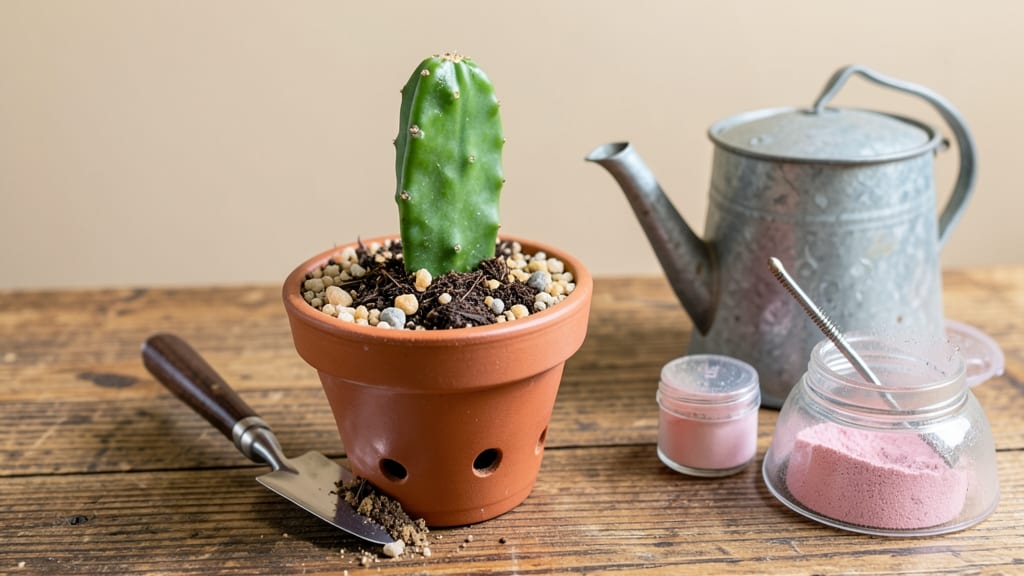
Planting dragon fruit cuttings is the easiest way to grow your own tropical fruit—no fancy equipment or green thumb required. 🌱 I’ve rooted dozens of cuttings, and once you see those first roots form, you’ll never buy store-bought plants again.
The key? Patience and keeping conditions just right for this slow-but-steady grower.
Start with 3-4 inch cuttings from healthy stems, making sure each has at least one node where roots will sprout. You can root them in water (change it every few days) or straight in well-draining soil mixed with perlite.
Place them in bright, indirect light—direct sun will scorch those delicate leaves—and keep humidity high with a plastic bag or pebble tray.
Within 4-6 weeks, you’ll spot tiny roots or new growth, signaling success. Once rooted, transplant carefully and give them time to establish—don’t rush flowering or fruiting.
Dragon fruit thrives in warmth (70-85°F) and consistent moisture, but overwatering is the #1 killer, so let the top inch of soil dry out between waterings.
Common mistakes? Using old or diseased cuttings, skipping the humidity boost, or moving plants too soon. Stick with it—your first harvest could take 18-24 months, but the reward of slicing into your own vibrant pink fruit makes every wait worthwhile.
📚 In This Guide
- What you need
- Instructions
- Tips and common mistakes
- Wrapping up and next steps
What you need
- ● Dragon fruit cuttings: Healthy, vine cuttings (4–6 inches long) with at least 2–3 nodes (where leaves grow). Pro tip: Use mature, disease-free stems!
- ○ Rooting hormone (optional but recommended): A small bottle (1–2 oz) to boost root growth.
- ● Well-draining potting mix: A 5–10 gallon bag of cactus/succulent mix or a blend of perlite, coconut coir, and compost (50/30/20 ratio).
- ● Small pots or containers: 4–6 inch diameter pots (1–2 per cutting) with drainage holes.
- ● Watering can or spray bottle: For gentle hydration (avoid soggy soil!).
- ● Clear plastic bag or humidity dome: To create a mini greenhouse effect (cut the top off a gallon jug if needed!).
- ● Scissors or pruning shears: Sterilized to make clean cuts.
- ● Warmth: Dragon fruit thrives in 70–90°F (21–32°C) temperatures. Avoid drafts or cold windowsills!
- ● Bright, indirect light: A sunny windowsill (south-facing) or grow lights (12–14 hours/day).
- ● Humidity: Aim for 50–70% (use a humidity tray if your air is dry).
- ● Slow-release fertilizer (balanced 10-10-10 or organic options like worm castings).
- ● Peat moss or sand (to improve drainage in heavy soil).
- ● A fan (for airflow to prevent mold).
- ● Label markers (to track your cuttings—trust us, they’ll look different in 6 months!).
Step-by-Step instructions for planting dragon fruit cuttings
Here's the straightforward method I use to root dragon fruit cuttings with near-perfect success.
🌱 Step 1: Select and Prepare Healthy Cuttings
Choose 4-6 inch long cuttings from healthy, mature stems—look for thick, woody sections with at least 3-4 nodes (those little bumps where leaves and roots grow). Use clean, sharp pruners to make a clean cut just below a node at a 45-degree angle. This angled cut increases surface area for root formation.
Let the cuttings dry for 1-2 hours at room temperature. This callusing step prevents rot when you plant them. You'll see the cut end develop a slightly hardened, dry layer—this is your signal it's ready for rooting. I always work in the morning to give cuttings the full day to recover before handling.
💧 Step 2: Create the Ideal Rooting Medium
Fill a 6-inch diameter pot with a 50/50 mix of perlite and coconut coir—this lightweight blend drains well while retaining enough moisture for root development. Moisten the mix until it feels like a wrung-out sponge (damp but not dripping). Dragon fruit roots need oxygen as much as moisture, so compacted soil will strangle them.
Make a small hole in the center with your finger—just deep enough to bury the cutting's node. I like to dip the callused end in rooting hormone (optional but helpful for faster results) before placing it in the hole. Gently firm the surrounding medium to eliminate air pockets without compacting it.
☀️ Step 3: Provide Warmth and Humidity
Place the pot in a location with bright, indirect light—think 60-70% shade during the first 2-3 weeks. Too much direct sun now will stress the cutting before roots establish. I use a clear plastic bag loosely draped over the pot to create a humid microclimate (like a mini greenhouse). Secure it with a rubber band but leave it slightly open for airflow.
Keep the medium consistently moist—water when the top ½ inch feels dry to the touch. Dragon fruit cuttings root best at 75-80°F, so if your home runs cooler, place a seedling heat mat underneath. You should see tiny white roots emerging from the nodes in 4-6 weeks—this is your cue to gradually reduce humidity by opening the bag wider each day.
🪴 Step 4: Transition to Soil and Long-Term Care
Once roots fill half the pot (usually 8-12 weeks after planting), it's time to transplant. Use a well-draining cactus/succulent mix amended with 20% perlite. Gently remove the cutting from its starter pot, shaking off excess medium to check root development. Healthy roots should be 2-3 inches long and white or pale tan in color.
Plant at the same depth it was in the rooting pot—burying nodes too deep encourages rot. Water deeply after transplanting, then reduce watering to every 10-14 days (let the top 2 inches of soil dry between waterings). Place in full sun (6+ hours daily) and you'll see new growth within 2-3 weeks—this confirms your cutting has successfully established.
Tips & tricks for planting dragon fruit cuttings
A few simple adjustments can make all the difference between thriving cuttings and disappointing failures.
Selection is Everything: In Step 1, when choosing your 4-6 inch cuttings, focus on stems that are at least pencil-thick with visible vascular bundles running through them. These indicate mature, well-developed stems that will root more reliably. I've found that cuttings with 3-4 nodes have the best success rate—each node contains dormant root buds, so more nodes mean more potential roots. Avoid cuttings with yellowing leaves or soft spots, as these signs indicate stress or disease that will compromise rooting.
Callusing Can't Be Skipped: The 1-2 hour callusing period in Step 1 is absolutely critical—don't rush this step! This drying process allows the cut end to form a protective layer that prevents rot when you plant. I've seen many gardeners skip this and end up with mushy, rotting cuttings within days. Test for readiness by gently pressing the cut end—it should feel slightly leathery, not wet or sticky. If you're short on time, you can extend this to up to 4 hours for even better protection.
Medium Mix Matters: For Step 2, the 50/50 perlite to coconut coir mix is ideal because it mimics the dragon fruit's native well-draining environment while providing enough moisture retention. If you don't have coconut coir, you can substitute with peat moss or even a high-quality potting soil mixed with 30% perlite. The key is to avoid garden soil—it compacts too easily and can suffocate developing roots. After mixing, give the medium a final squeeze test: it should hold its shape when pressed but not drip water when squeezed firmly.
Rooting Hormone Rationale: While the instructions mention rooting hormone as optional, I strongly recommend using it—especially if you're working in cooler conditions or with less-than-ideal cuttings. The hormone contains auxins that stimulate cell division at the cut end, often doubling your rooting success rate. If you choose not to use it, simply dip the callused end in water before planting to help hydrate the cells and kickstart root formation.
Pro Tips for Plant Dragon Fruit Cuttings
- A few simple adjustments can make all the difference between thriving cuttings and disappointing failures.
- Selection is Everything: In Step 1, when choosing your 4-6 inch cuttings, focus on stems that are at least pencil-thick with visible vascular bundles running through them.
- Callusing Can't Be Skipped: The 1-2 hour callusing period in Step 1 is absolutely critical—don't rush this step!
Frequently asked questions
Got questions about growing dragon fruit from cuttings? You’re not alone! Here are some of the most common queries—plus quick, practical answers to help you succeed.
How long does it take for dragon fruit cuttings to root?
With the right conditions (warmth, humidity, and moisture), dragon fruit cuttings typically root in 2–4 weeks. Keep them in a bright, indirect spot and mist daily to speed up the process. Avoid overwatering—soggy soil can rot the cuttings before roots form!
Can I plant dragon fruit cuttings in winter?
Dragon fruit thrives in warm climates (70–90°F), so winter planting is tricky unless you live in a frost-free zone. If you must try, use a heat mat or grow lights to maintain warmth. Alternatively, start indoors in early spring and transplant after the last frost.
What if my dragon fruit cutting turns yellow or mushy?
Yellowing or mushy stems signal rot or overwatering. Let the soil dry slightly between waterings and ensure your cutting has a clean, angled cut (not crushed). If caught early, trim the damaged part and replant in fresh, well-draining soil. Fungicide can help if mold appears.
Do dragon fruit cuttings need special soil?
Use a light, airy mix like cactus/succulent soil blended with perlite or coconut coir (50/50 ratio). Avoid heavy garden soil—it retains too much moisture and suffocates roots. A sterile medium prevents disease, so sterilize containers if reusing them.
Can I grow dragon fruit from store-bought fruit?
Nope! Store-bought dragon fruit is treated to prevent sprouting. For cuttings, you’ll need a healthy, disease-free vine from a trusted source (e.g., a local nursery or experienced grower). Look for thick, green stems with at least 3–4 nodes—these are your best bet for success!
Wrapping up and next steps
Planting dragon fruit cuttings is a rewarding journey that brings vibrant, exotic fruit right to your backyard! 🌱 With the right tools, patience, and a few simple steps, you’ll soon be watching roots sprout and new plants thrive.
Remember, consistency is key—whether it’s keeping your cuttings moist or providing the perfect light, your efforts will pay off in delicious, sweet fruit.
Now that you’re ready to start, why not share your progress with fellow plant lovers? Join gardening forums, tag us on social media, or even gift a cutting to a friend. Happy planting—your dragon fruit adventure is just beginning! 🌟