
How To
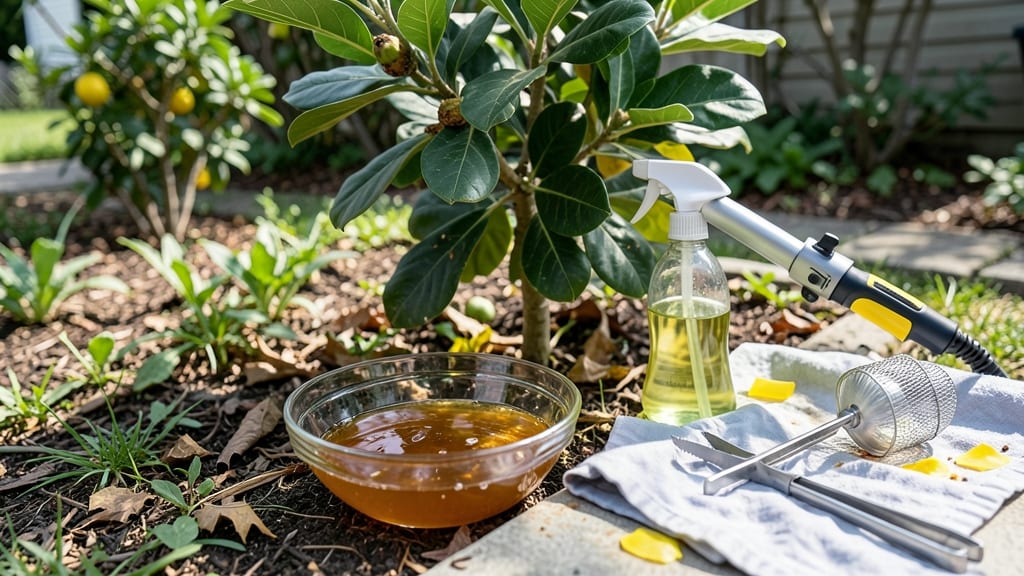
Fruit flies swarming your houseplants mean it's time for a 24-hour cleanup battle. 🌿 I've battled these tiny nuisances in my own home, and the key is acting fast with simple, plant-safe solutions that actually work.
These pests thrive in overwatered soil, so the fix starts with drying out that damp potting mix. The good news? You can eliminate them without harsh chemicals. A classic vinegar trap catches adults, while a yeast solution targets larvae hiding in the soil.
Both methods are cheap, effective, and won't harm your plants—just be ready to repeat the process every few days until the infestation disappears. Within a day, you'll see fewer flies buzzing around your leaves and new growth emerging stronger.
The secret is consistency: clean up fallen leaves, adjust your watering schedule, and keep those traps active until the last fly is gone. This approach works for any houseplant collection, from ferns to fiddle-leaf figs. The same principles apply whether you're dealing with a small outbreak or a full-blown invasion.
Let's get those plants back to their pest-free best!
Root Causes of Fruit Fly Infestations
Fruit flies—those tiny, buzzing nuisances—don’t just appear out of nowhere. They’re drawn to your houseplants for specific reasons, often tied to decay, moisture, or even human habits. Understanding why they’re there is the first step to kicking them out for good. Let’s break down the science behind their unwelcome visits.
🍎 The Problem: Fruit flies (scientifically known as Drosophila melanogaster) are attracted to fermenting organic material, which emits volatile organic compounds (VOCs) like ethanol, acetic acid, and esters. These smells act like a dinner bell, signaling that food is ripe—or overripe—and ready to be consumed.
When houseplants drop fruit, flowers, or leaves, they often decompose slowly. If left unattended, these decaying bits become a breeding ground for fruit flies.
Even healthy-looking plants can harbor hidden rot in their soil or hidden crevices, where moisture and organic debris create the perfect conditions for flies to lay eggs.
What to Watch For:
- Drooping or mushy leaves
- Dark, slimy spots on stems or soil
- A faint, sweet, or sour odor near the plant
💦 The Problem: Fruit flies thrive in damp environments. Overwatering your houseplants—whether from neglect or overzealous care—creates a soggy, anaerobic (low-oxygen) soil condition. This environment encourages microbial activity, which breaks down organic matter and releases gases that attract flies.
Additionally, excess moisture can drown beneficial microbes, leading to a buildup of harmful bacteria and fungi. These decomposing microbes emit smells similar to rotting fruit, making your plant a magnet for fruit flies.
What to Watch For:
- Soil that stays clump together when squeezed (a sign of overwatering)
- Mold or fungus growing on the soil surface
- A musty or sour smell emanating from the pot
🕵️ The Problem: Not all plant damage is visible. Root rot, hidden pests (like fungus gnats or mealybugs), or even old, trapped food scraps (if you’ve used compost or fertilizer incorrectly) can create pockets of decay. Fruit flies are experts at finding these hidden spots to lay their eggs.
For example, if your plant has thick, fibrous roots (like a monstera or fiddle-leaf fig), decay can start deep within the soil, where it’s out of sight. By the time you notice the flies, the infestation may already be well underway.
What to Watch For:
- Stunted growth or yellowing leaves (signs of root stress)
- A strong odor when you dig into the soil
- Small, white larvae wriggling in the soil (a sure sign of an established infestation)
👨🍳 The Problem: You might unknowingly be inviting fruit flies into your home.
Common culprits include: - Compost bins near houseplants (even small indoor composters can attract flies). - Overripe fruit left near windowsills or plant stands (flies can detect these from yards away). - Sugary spills or sticky residues (like syrup or soda) that ferment over time. - Pet food or birdseed left out, which can attract flies and then spread to plants.
Fruit flies are opportunistic and will exploit any available food source. If your plants are near these attractants, they become secondary targets once the primary food runs out.
What to Watch For:
- Clusters of flies near trash cans, compost, or food prep areas
- A sudden spike in flies after bringing in groceries or pet supplies
- Plants near windows or doors where flies can easily enter
🌡️ The Problem: Fruit flies are most active during warm, humid months (spring through fall), but indoor conditions can extend their season. Central heating or air conditioning can create microclimates where flies thrive year-round.
Additionally: - Humidity spikes (from showers, cooking, or poor ventilation) make indoor environments more appealing. - Outdoor infestations can hitch a ride on plants, groceries, or even your clothing. - Poor airflow around plants traps moisture and smells, creating a fly-friendly zone.
What to Watch For:
- More flies during summer months or after rainy periods
- Plants in low-light areas (like bathrooms) where humidity lingers
- A sudden influx of flies after bringing in new plants or soil
Fruit flies don’t choose your houseplants randomly—they’re following a scent trail to their next meal.
By identifying whether your issue stems from rotting matter, excess moisture, hidden decay, human habits, or environmental factors, you can target the root cause and stop the infestation before it spreads. The good news?
Once you address these triggers, you’ll not only repel flies but also improve your plants’ health in the process!
Quick Fixes That Actually Work
Fruit flies may be tiny, but they’re relentless—and luckily, so are the solutions. The key is addressing the problem at its source while disrupting their life cycle. Below, we’ve mapped out practical fixes based on the most common causes, from overripe produce to hidden breeding grounds.
Each method is designed to be fast, effective, and plant-safe, so you can reclaim your green space in no time.
Fruit flies are drawn to fermenting sugars, so the first step is starving them out while eliminating their favorite buffet.
🔥 Step 1: Locate and Remove the Source
- Scan your kitchen, pantry, and near houseplants for soft, mushy, or fermenting produce (overripe bananas, citrus peels, tomatoes, or even hidden moldy spots).
- Toss anything that’s bruised, squishy, or smelly—don’t risk leaving even a tiny scrap behind.
- Pro tip: 💡 Check under pots, in plant saucers, and behind appliances where moisture collects.
🍳 Step 2: Set a DIY Trap (Works in 24 Hours)
Combine these in a small bowl or jar:
- 1 cup apple cider vinegar (or red wine vinegar)
- 1 tbsp dish soap (the soap breaks surface tension, drowning flies)
- Optional: A few drops of vanilla extract (flies are irresistibly attracted to it)
- Cover with plastic wrap, poke small holes, and place near infested areas.
Why it works: 🌡️ Vinegar mimics fermenting fruit, luring flies into a death trap. Replace every 2–3 days for maximum effect.
Moist, nutrient-rich soil is a fruit fly paradise. If your plants are the problem, act fast to break their cycle.
👨🍳 Step 1: Refresh the Soil Surface
- Remove the top 1–2 inches of soil where flies lay eggs (use a spoon or your hands).
- Discard the old soil outside your home (not in compost—flies can survive).
- Replace with fresh, dry potting mix and water lightly.
🥘 Step 2: Improve Drainage
- Ensure pots have drainage holes—standing water is an open invitation.
- Bottom watering trick: Place pots in a tray of water for 10–15 minutes, then drain excess.
This keeps soil moist without soggy conditions. - Prevention tip: ✨ Sprinkle a thin layer of kinetic sand or coarse sand on top of soil to deter egg-laying.
🔪 Step 3: Wipe Down Leaves
- Use a damp microfiber cloth to clean leaves (flies land on them to feed).
- Mix 1 tsp neem oil + 1 tsp dish soap in 1 cup water for a natural fly-repellent spray (test on a small leaf first).
Fruit flies thrive in dark, damp corners you might miss. A thorough cleanup cuts off their hiding spots.
🔍 Step 1: Inspect These Hotspots
- Behind/under appliances (fridge, microwave, toaster)
- Garbage disposal (run with baking soda + vinegar to clean)
- Plant saucers and window sills (wipe dry after watering)
- Pet food/water bowls (flies love spilled kibble or wet food)
🧼 Step 2: Deep Clean with These Solutions
| Area | Cleaning Method | Fly-Repellent Boost |
|---|---|---|
| Countertops | Spray with 50/50 water + vinegar, wipe | Sprinkle dried citrus peels (flies hate the scent) |
| Drains | Pour 1/2 cup baking soda + 1 cup vinegar, flush with hot water | Add a few drops of tea tree oil (natural repellent) |
| Plant pots | Scrub with soapy water, rinse, dry | Dust with food-grade diatomaceous earth (safe for plants) |
Why it works: 🎯 Vinegar and citrus disrupt their scent trails, while baking soda neutralizes odors that attract them.
Once you’ve evicted the flies, block their re-entry with these habits:
- 🍌 Store fruit in the fridge (even ripe bananas) or in sealed containers.
- 🗑️ Take out trash daily—don’t let organic waste linger.
- 🌿 Water plants in the morning so soil dries faster (flies love dampness).
- 🕵️ Monitor with yellow sticky traps (place near windows or plants to catch stragglers).
- 🌿 Rotate houseplants every few weeks to prevent soil buildup of eggs.
Final note: Consistency is key—fruit flies can rebound if you stop mid-treatment. Stick with it for 7–10 days to ensure their population crashes. Your plants (and your sanity) will thank you!
Frequently asked questions
Why do fruit flies keep coming back even after I’ve cleaned everything?
Fruit flies are persistent because their life cycle is fast—eggs hatch in just 24-48 hours. If you miss even a few eggs hidden in soil crevices or don’t refresh traps regularly, new flies will emerge. The key is consistency: keep traps active for at least 7-10 days and recheck soil for moisture every few days. Adult flies can also hitch rides on new plants or groceries, so quarantine anything you bring indoors.
Can I use these methods on all houseplants, even delicate ones?
Yes, but with caution. Vinegar traps and neem oil sprays are safe for most plants, but always test sprays on a small leaf first. Avoid soaking soil with vinegar solutions—stick to traps and surface applications. For sensitive plants like orchids or calatheas, focus on improving drainage and using coarse sand on soil instead of chemical sprays. The yeast solution (for soil larvae) is also plant-safe when used as directed.
How do I know if my fruit flies are coming from plants vs. kitchen waste?
Check for these clues: If flies are swarming specifically around pots or you see larvae in soil, plants are the source. For kitchen-related flies, you’ll notice them near trash cans, fruit bowls, or drains. Do a quick test—set traps both near plants and in the kitchen. If plant traps catch more flies, your greenery is the problem. If kitchen traps win, focus on food storage and cleanup first.
Will fruit flies harm my houseplants?
Direct damage is rare, but they can become a nuisance that stresses plants. The real danger comes from their breeding habits—flies lay eggs in moist, decaying matter, which can lead to root rot if left unchecked. Their presence also indicates poor plant health (like overwatering), which can weaken your plants over time. The good news is that eliminating flies improves plant conditions by reducing excess moisture and removing decaying organic matter.
How often should I refresh my DIY traps?
Replace vinegar traps every 2-3 days or when they start smelling weak. For maximum effectiveness, use fresh vinegar and soap each time—old traps lose their lure power. If you’re dealing with a heavy infestation, set up multiple traps in different rooms. The yeast solution for soil (mix 1 tbsp yeast + 1 tbsp sugar + 1 cup warm water) should be refreshed weekly until flies disappear. Always keep traps away from plant leaves to avoid accidental drowning of beneficial insects.