
Aphids
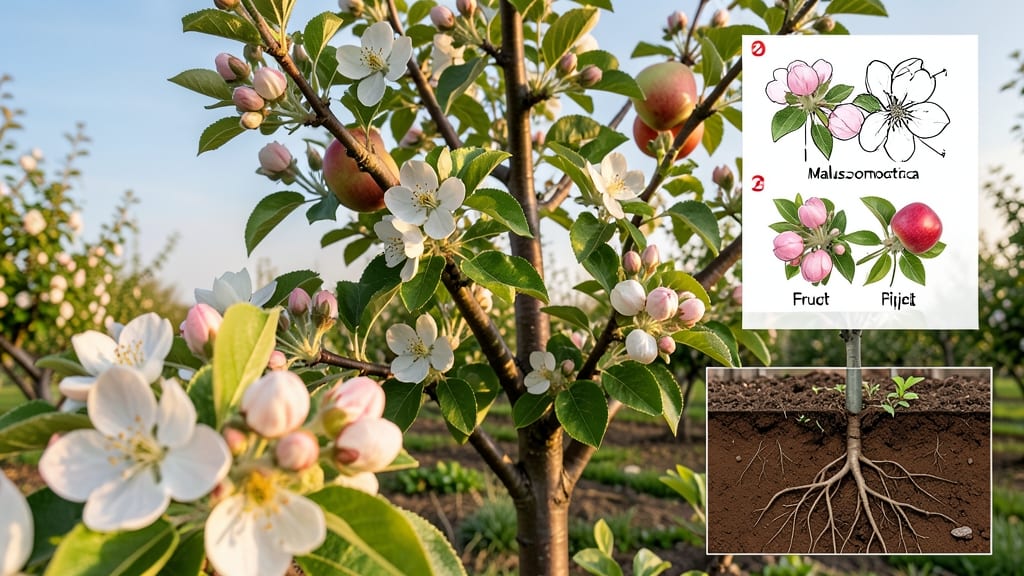
The life cycle of fruit starts with pollination, where fertilization triggers cell division that eventually leads to fruit formation and ripening. Aphids threaten this process by sucking sap, spreading plant viruses, and stunting growth during critical stages like flowering and early fruit development.
The fruit development journey is a fascinating process where each stage—from pollination to ripening—demands specific conditions to succeed. 🌱 Aphids become particularly destructive during flowering and fruit set, when plants are already diverting energy toward growth.
These pests don't just weaken plants by feeding; they also introduce harmful pathogens that can lead to deformed fruit or complete crop failure. Understanding these vulnerable phases helps gardeners and farmers implement targeted protection strategies before damage occurs.
For example, during the cell expansion phase, when fruit begins to swell, aphid infestations can cause misshapen development. Meanwhile, in the ripening stage, their presence may reduce sugar content and alter flavor profiles.
The key to minimizing losses lies in early intervention—whether through natural predators like ladybugs or preventive measures such as neem oil applications.
💡 In This Article
- Stages of Fruit Development and Aphid Vulnerability
- Organic Aphid Control Methods for Fruit-Bearing Plants
Stages of fruit development and aphid vulnerability
The fruit development process begins with pollination, where pollen must transfer from the male anther to the female stigma. For many fruit-bearing plants like apples or peaches, this requires precise timing—often triggered by environmental cues like temperature shifts or daylight hours.
Once pollination occurs, fertilization follows within 24-48 hours, forming a zygote that will develop into seeds while the surrounding ovary begins transforming into fruit tissue. This stage is particularly vulnerable to aphids, which can disrupt fertilization by feeding on flower buds, reducing pollen viability by up to 30-50%.
After fertilization, the fruit set stage kicks in, where the ovary rapidly expands through cell division and elongation. Aphids target this phase by injecting toxins while feeding, causing fruit drop or deformities like stunted growth or malformed shapes.
For example, in strawberry plants, aphid damage during fruit set can reduce yield by 40% due to poor seed development. The physiological stress also triggers the plant to divert energy toward defensive responses rather than fruit maturation, further compromising quality.
During cell expansion (typically 4-8 weeks post-pollination), fruit grows rapidly as cells absorb water and nutrients. Aphids exacerbate this stress by transmitting viruses like the Cucumber Mosaic Virus, which can cause mosaic patterns on leaves and stunt fruit growth.
The visual impact isn't just cosmetic—affected fruit often develops bitter flavors and softer textures, making them unmarketable. For instance, in tomato plants, aphid-transmitted viruses can reduce sugar content by 25-35%, directly impacting taste and shelf life.
The final stage, ripening, is when fruit softens, colors change, and sugars accumulate. Aphids here don't just feed—they introduce sooty mold from their honeydew secretions, which coats fruit surfaces and blocks sunlight. This reduces photosynthesis efficiency by 15-20%, slowing ripening and weakening structural integrity.
In citrus trees, aphid damage during ripening can lead to premature fruit drop, with losses reaching 20-30% of potential harvest. The sensory impact is dramatic: affected fruit often lacks the vibrant aroma and crisp texture consumers expect.
What most gardeners overlook is how aphids disrupt hormonal balance in plants. Their feeding triggers an overproduction of ethylene, the ripening hormone, which can cause fruit to spoil prematurely.
For example, peaches exposed to aphid stress during ripening may soften 3-5 days faster than healthy counterparts, while also developing off-flavors. This hormonal interference explains why even organic controls must address aphid populations before the ripening stage begins.
Understanding these stages helps tailor interventions. For instance, applying kaolin clay during flowering can physically block aphids without harming pollinators, while introducing ladybugs during cell expansion provides biological control. The key is timing—aphid populations must be managed proactively, not reactively, to protect each phase of fruit development.