
How To
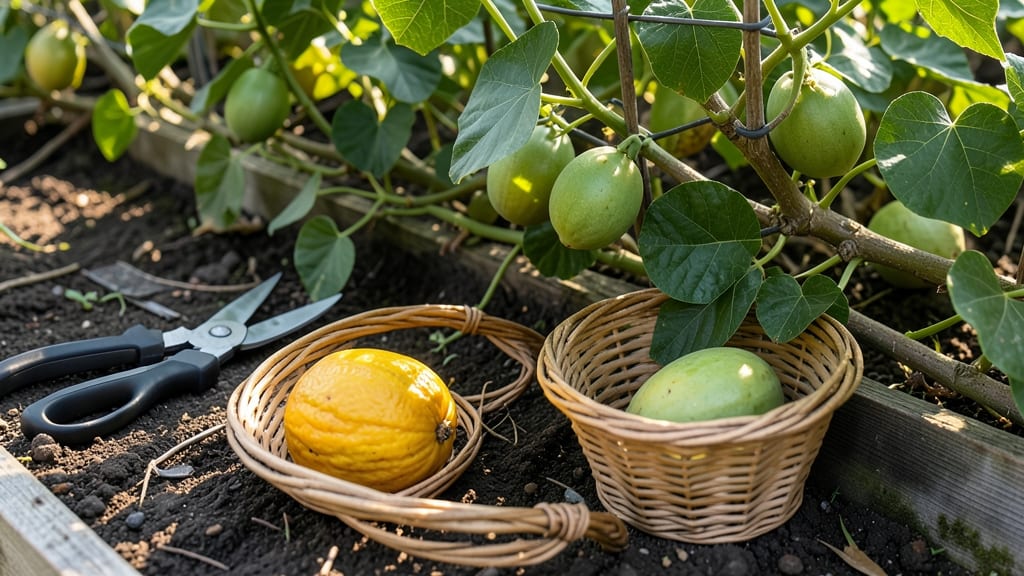
Telling when passion fruit 🍈 is ripe means checking three simple cues: color, texture, and scent—skip one, and you risk a mealy mess instead of a burst of tropical sweetness.
Picture this: you’ve waited months for your vine to produce, only to pick a fruit that’s still hard or falls apart when sliced. That’s the frustration I’m here to fix—because the right moment makes all the difference.
In tropical climates like zones 9-11, passion fruit ripens year-round, but cooler areas see harvests peak in fall. The key? A skin that’s fully transformed—no more green, just vibrant yellow, orange, or purple—and a gentle give when pressed.
Below, I’ll walk you through the exact steps to test ripeness without cutting into the fruit, plus what to do if you miss the window. No more guesswork, just perfect passion fruit every time.


3 Visual cues to identify perfectly ripe passion fruit
Passion fruit ripeness can be tricky—especially when you’re staring at a vine full of green, hard-looking fruits wondering if they’re ready. The good news? Nature gives you three clear visual cues to spot perfectly ripe passion fruit without cutting them open.
These signs work for both purple passion fruit and yellow passion fruit varieties, though the color changes differ slightly.
Missing these cues often leads to underripe fruit (tart and seedy) or overripe fruit (mushy and fermented). I’ve learned the hard way that color alone isn’t enough—you need to check all three signals to guarantee sweetness.
Let’s break down what to look for, including how regional climates can affect ripening times.
- 1
Purple varieties turn from bright green to deep purple, while yellow types shift to golden yellow with slight orange blushes. In cooler climates, color changes may take 1-2 weeks longer due to slower metabolism.
- 2
Gently press the fruit—ripe passion fruit will feel slightly soft (like a ripe avocado) but not mushy. Overripe fruits feel squishy and leak juice when pressed. In humid climates, texture changes happen faster (3-5 days vs. 7-10 days in dry heat).
- 3
Sniff near the stem—ripe passion fruit releases a fruity, floral scent. Unripe fruits smell neutral or slightly bitter, while overripe ones emit a fermented, yeasty odor. Morning is the best time to check scent, as heat can mask aromas in the afternoon.
One common mistake I see is relying on size alone. A passion fruit can be large but still unripe—always check the color and texture first.
In tropical regions like Florida or Hawaii, fruits ripen faster (sometimes in just 5-7 days), while in temperate zones (like California’s coastal areas), ripening can stretch to 10-14 days.
Another pro tip: Harvest in the morning when fruits are coolest. This prevents overripening during transport or storage.
If you’re unsure, pick a few fruits at different stages—you’ll quickly learn what “just right” feels like for your climate. Yellow passion fruit varieties often ripen slightly earlier than purple ones, so monitor them closely.
Watch for the stem’s condition too. A ripe passion fruit’s stem will dry out and darken at the base, almost like it’s “detaching” from the vine. This is your final green light to harvest.
Ignore this cue, and you might end up with fruit that’s too seedy or watery—a common complaint among first-time growers.
Regional variations matter: In USDA Zone 10 (like Southern California), passion fruit ripens year-round, but in Zone 9 (e.g., Arizona), late-summer heat can speed up ripening. Always adjust your expectations based on your local average temperatures and humidity levels.
For example, in humid climates, fruits may soften too quickly, while arid regions can delay ripening.
If you’re growing passion fruit in containers, ripening can be 20% slower due to limited root space. Container-grown vines also need more frequent watering, which can affect sugar development. To compensate, use a balanced fertilizer with high potassium (like 7-9-5) to boost fruit sweetness and improve color development.
Remember: Ripeness isn’t binary. You can harvest passion fruit slightly underripe and let it ripen indoors (though it won’t be as sweet). But if you wait too long, the fruit will split open or attract pests like fruit flies.
The key is consistency—check your vines every 2-3 days once fruits start changing color.
How to test passion fruit ripeness without cutting it open
Passion fruit vines produce fruit that can be tricky to time—harvest too early, and you’ll get a bland, seedy mess. Too late, and the fruit turns mushy or attracts pests. The good news?
You can test ripeness without damaging a single fruit using simple, non-destructive methods. These tricks save you time and frustration while ensuring you pick passion fruit at its peak.
Start by examining the fruit’s weight and texture. A ripe passion fruit feels noticeably heavier for its size, thanks to its juicy interior. Gently press the fruit—it should yield slightly under light pressure (like pressing a ripe avocado) but not feel mushy.
This test helps you avoid overripe fruit that’s past its prime. Combine this with visual cues like color changes for the most accurate results.
Here’s the critical part: never harvest if the fruit still feels rock-hard or the skin is mostly green. These signs mean it needs more time on the vine. Instead, wait 2-3 days and retest. Patience pays off with flavor-packed passion fruit that’s ready to enjoy or preserve.
Warning: Overripe Passion Fruit Risks
Harvesting too late can lead to fruit rot, attracting fruit flies, and a loss of sweetness. If the skin develops soft spots or the stem detaches easily, the fruit is overripe. Worse, overripe passion fruit may ferment on the vine, spreading mold to nearby fruits. Always test for ripeness before the stem dries completely.
Check the stem attachment—a ripe passion fruit will separate easily from the vine when you gently twist it at the base. If the stem resists or tears, the fruit isn’t ready yet.
This method works best in mature vines (1+ years old), as younger plants may produce fruit that detaches prematurely. Pair this with the pressure test for foolproof results.
Don’t overlook the scent test. A ripe passion fruit emits a sweet, floral aroma near the stem. Sniff the fruit—if it smells faintly sweet (like a mix of citrus and tropical flowers), it’s ready to pick.
A lack of scent means it needs more time, while a fermented or sour smell signals overripeness. This trick is especially useful for purple passion fruit, which can be harder to judge by color alone.
For yellow passion fruit, focus on the skin’s hue—it should transition from green to a vibrant yellow or golden color. Press gently to confirm softness, then twist the stem. If the fruit releases easily and smells sweet, it’s time to harvest.
Remember: passion fruit ripens best on the vine, so avoid picking early just because it’s convenient. Your taste buds will thank you!