
Succulent
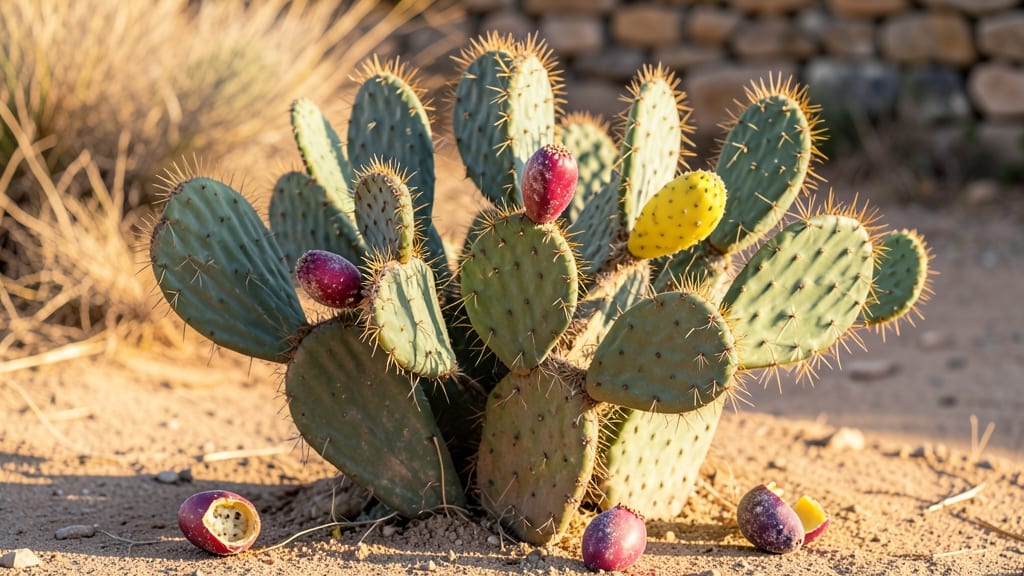
Growing Italian cactus fruit means sweet, tangy harvests with almost no effort. 🌵 The secret lies in mimicking its Mediterranean roots—sun, gritty soil, and patience. My first plant surprised me by fruiting within just two years, proving this isn't some exotic fantasy.
You'll need a sunny spot (6+ hours daily), well-draining soil, and a spot to handle those spines safely. Water sparingly—overwatering kills these drought-lovers faster than any pest. The fruit starts green, then ripens to deep red or yellow, packed with vitamin C and fiber.
Once ripe, the fruit peels easily (wear gloves!), revealing sweet, juicy flesh perfect for jams, smoothies, or fresh eating. The spines are harmless if handled properly, but a brush or towel makes prep easier. Works in containers or ground, even in zones 7-11. Let's get you growing!
📚 In This Guide
- What you need
- Instructions
- Tips and common mistakes
- Wrapping up and next steps
What you need
- ● Cactus pads (prickly pear cuttings): 3–5 healthy, disease-free pads (3–5 inches long). Pro tip: 💡 Choose pads with at least one "eye" (growth node).
- ● Well-draining potting mix: 1–2 bags (1–2 cubic feet) of cactus/succulent mix (or blend 60% pumice/perlite + 40% garden soil).
- ● Containers: 2–3 pots (5–7 inches deep) with drainage holes or a raised bed (if outdoor planting).
- ○ Rooting hormone (optional but helpful): 1 small tube (e.g., Rootone or Clonex).
- ● Pruning shears or sharp knife: Sterilized to avoid infection. ⚠️ Safety first: Wear gloves!
- ● Gravel or small rocks: 1–2 lbs for drainage layer at the pot bottom.
- ● Watering can with narrow spout: 1 (avoid overhead watering to prevent rot).
- ● Sunlight access: 6+ hours of direct sun daily (south-facing window or greenhouse).
- ○ Fertilizer (optional): 1 bottle of balanced succulent fertilizer (5-5-5 or 10-10-10, diluted to half-strength).
- ● Best planting time: Spring or early summer (when temps are 70–90°F). Avoid frost—these cacti are tender perennials in most U.S. zones (grow in pots for winter!).
- ● Hardiness zone: 9–11 (or indoors year-round in cooler climates).
How to grow Italian cactus fruit for year-round harvests
Here's my simple method for growing Italian cactus fruit—no green thumb required.
🌱 Step 1: Select the Right Cactus Variety
Italian cactus fruit, also called Opuntia ficus-indica, thrives in warm climates but can be grown in containers almost anywhere. Look for healthy, mature pads (also called "nopales") from a nursery—they're the easiest way to start. Avoid wild-harvested pads, as they may carry pests or diseases. Choose pads with smooth, green skin and no signs of rot or insect damage.
If you're starting from seed, expect a 5-10 year wait for fruit—patience is key. For faster results, buy a small potted plant with established pads. I always opt for a 2-3 year old plant because it already has the energy stored to produce fruit within a year or two.
☀️ Step 2: Plant in Full Sun and Well-Draining Soil
Italian cactus fruit craves 6+ hours of direct sun daily. Place your plant in the sunniest spot possible—south-facing windows or a sheltered patio work well in containers. If growing outdoors in cooler climates, move the pot indoors before temperatures drop below 40°F to prevent frost damage.
Use a cactus or succulent mix combined with coarse sand or perlite for drainage. These plants rot quickly if their roots sit in soggy soil. Fill the pot to within 1 inch of the rim, leaving space for watering. Tap the pot gently to settle the soil but avoid compacting it—cactus roots need air pockets to breathe.
💧 Step 3: Water Sparingly and Fertilize Lightly
Water only when the soil feels completely dry to the touch—usually every 2-3 weeks in summer and even less in winter. Overwatering is the #1 killer of cactus fruit plants. Stick your finger 2 inches deep into the soil; if it's dry, water deeply until it drains from the bottom. Empty the saucer afterward to prevent root rot.
Feed with a balanced, water-soluble fertilizer diluted to half strength once a month during spring and summer. Skip fertilizer in fall and winter—this mimics the plant's natural dormancy period. I use a mix of 10-10-10, but any cactus-specific fertilizer works. Too much fertilizer causes weak growth and fewer fruit.
✂️ Step 4: Prune and Encourage Fruit Production
Remove any dead, damaged, or diseased pads immediately with clean, sharp pruners. Dip the blades in rubbing alcohol between cuts to prevent spreading infections. Prune in late winter or early spring to shape the plant and encourage new growth—this is when it's most resilient.
To boost fruit production, hand-pollinate flowers in the morning when they're fully open. Use a small paintbrush to transfer pollen from one flower to another. If you notice flowers but no fruit, this step is crucial—many cactus varieties need a little help. I also pinch off the first few flowers if the plant is young, redirecting its energy to establish stronger pads.
🍈 Step 5: Harvest and Enjoy Year-Round
Fruit ripens in 4-6 weeks after flowering, turning from green to vibrant red or yellow depending on the variety. Gently twist the fruit from the pad—it should come off easily when ripe. Avoid cutting, as the pads bleed and take longer to heal. Harvest in the morning for the sweetest flavor and best texture.
Store unripe fruit at room temperature until fully colored, or refrigerate ripe fruit for up to 1 week. The pads themselves are edible too—just peel off the spines with a knife and cook them like green vegetables. I love making jam with the fruit and grilling the pads for a unique, slightly tangy side dish. With proper care, one mature plant can yield 20-30 pounds of fruit annually.
Tips & tricks for growing Italian cactus fruit
Real talk: These are the tricks that'll save your cactus from becoming a sad, browned-out plant. I've learned them the hard way after watching several plants wither away.
Sunlight Strategy: That 6+ hours of direct sun isn't just a suggestion—it's non-negotiable. If your plant isn't getting enough light, you'll notice weak, stretched-out pads that struggle to produce fruit. Place your cactus near a south-facing window or use a grow light for 12-14 hours daily if natural light is limited. In cooler climates, rotate the pot every few weeks so all sides get equal sun exposure.
Soil Science: The secret to happy cactus roots lies in that drainage mix. I can't stress enough how important it is to avoid compacting the soil when you fill the pot. Use your fingers to gently press the mix into place, leaving those air pockets intact. If you notice water pooling at the bottom after watering, your soil mix isn't draining properly—add more perlite or coarse sand to fix it.
Watering Wisdom: The 2-inch deep dry test is your best friend. I've ruined plants by watering on schedule rather than checking moisture levels. In winter, you might only need to water every 6-8 weeks—these plants are built for drought conditions. Pro tip: Use room-temperature water to avoid shocking the roots, and always empty that saucer afterward to prevent root rot.
Frost Protection: That 40°F threshold isn't just arbitrary—it's when the plant's cells start to freeze. If you're growing outdoors in cooler areas, don't wait until the night before a freeze to move your plant. Acclimate it gradually by moving it to a sheltered spot a few days before temperatures drop. For container plants, wrap them in frost cloth or move them to an unheated garage where temps stay above freezing.
Pro Tips for Italian Cactus Fruit
- Real talk: These are the tricks that'll save your cactus from becoming a sad, browned-out plant.
- Sunlight Strategy: That 6+ hours of direct sun isn't just a suggestion—it's non-negotiable.
- Soil Science: The secret to happy cactus roots lies in that drainage mix.
Frequently asked questions
Can I grow Italian cactus fruit indoors?
Yes, but with some adjustments! Italian cactus fruit (like Opuntia ficus-indica) thrives in bright, indirect light—think south-facing windows or a sunny patio. Use a well-draining pot (like terracotta) and a cactus/succulent mix. Keep temperatures above 50°F (10°C) to avoid dormancy. Pro tip: Rotate the pot weekly for even growth!
How long does it take for Italian cactus fruit to bear fruit?
Patience is key! With ideal conditions (full sun, warm climate, and proper care), you can expect fruit in 2–3 years for young plants. Older, established cacti may produce fruit sooner—sometimes within 1–2 years—especially if pollinated by bees or manually with a soft brush. Tip: Female flowers (larger, tubular) yield fruit, while male flowers (smaller) don’t.
What’s the best way to harvest Italian cactus fruit?
Harvest when the fruit is fully colored (deep red, yellow, or purple) and slightly soft to the touch—usually 3–5 months after flowering. Use clean pruners or scissors to cut the fruit from the pad, leaving a small stem. Wear gloves (the spines can be sharp!) and remove any glochids (tiny hair-like spines) with a damp cloth or tape.
Can I substitute Italian cactus fruit for other fruits in recipes?
Its mild, slightly tangy flavor works well in salsas, jams, smoothies, or even desserts (like sorbets). For a 1:1 swap, use 1 cup diced cactus fruit per cup of peaches, plums, or tomatoes. Bonus: The fruit’s natural pectin makes it perfect for jellies without extra thickeners!
Why isn’t my Italian cactus fruit pollinating or producing flowers?
Common culprits include lack of pollinators, insufficient sunlight, or immature plants. Hand-pollinate by gently transferring pollen from male to female flowers with a paintbrush. Ensure your cactus gets 6+ hours of direct sun daily and fertilize lightly during growing season (spring–fall). If it’s still young, wait another year—patience pays off!
How do I protect my Italian cactus fruit from winter frost?
These cacti are hardy down to 15–20°F (-9 to -7°C), but prolonged cold or frost can damage pads. In colder zones, mulch the base with straw or move potted plants to a sheltered spot. For severe winters, cover with frost cloth or bring containerized plants indoors (no direct light needed during dormancy). Resume care in spring when temps rise above 50°F (10°C).
Wrapping up and next steps
Growing Italian cactus fruit—like the vibrant Opuntia ficus-indica—is a rewarding journey that blends resilience with delicious results! With minimal care and the right conditions, you can enjoy year-round harvests of sweet, tangy fruit that’s packed with nutrients.
Whether you’re a seasoned gardener or a beginner, this low-maintenance plant proves that great things come from small efforts.
Ready to dive in? Start by choosing the perfect spot in your garden or balcony, gather your supplies, and take the first step today. Your future harvest—and taste buds—will thank you! 🌱✨