
Fertilization
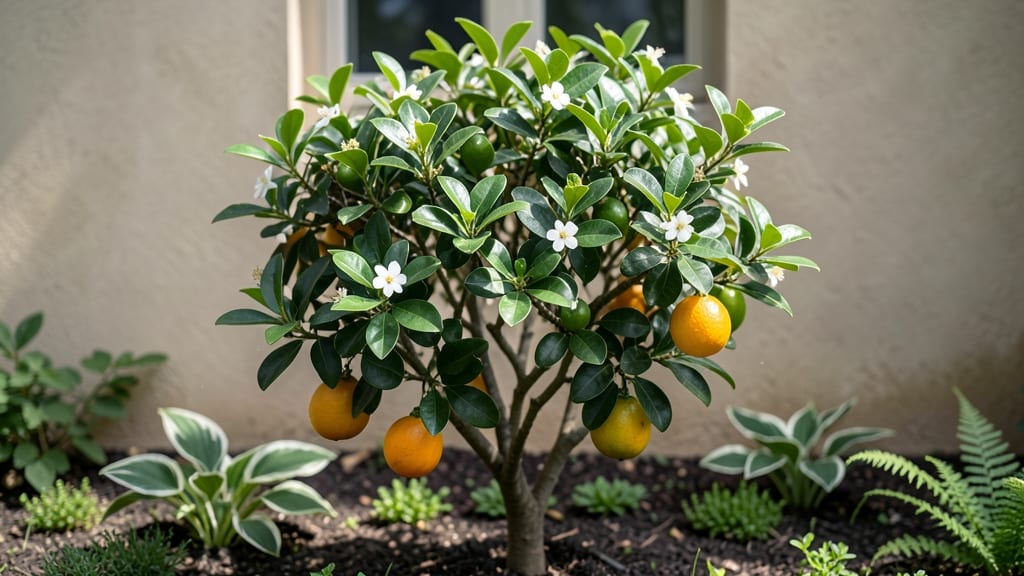
Growing meiwa kumquat fruit means sweet-tart harvests even in colder zones. 🌱 I've battled frost-killed citrus before, but these little gold orbs thrive where other kumquats fail—down to 15°F with the right care.
The secret lies in their thick skin and adaptable nature, but getting them to fruit reliably takes a few tricks. These evergreen shrubs love full sun and well-draining soil, but they're surprisingly flexible about containers or in-ground planting.
My tree in a 15-gallon pot on the patio produces fruit year-round, while another in the ground handles our Zone 7 winters without protection. The key? Balancing water, fertilizer, and pruning to encourage both leaves and fruit.
By late fall, you'll taste the difference between store-bought and homegrown—juicy, fragrant, and edible peel-and-all. The first harvest is magical, but the real reward comes when you realize these plants keep producing through winter when most citrus gives up.
Just watch for spider mites and overwatering—common pitfalls that can stall fruit set. Whether you're growing in pots for patios or planting in the ground for year-round harvests, meiwa kumquats deliver unmatched cold tolerance and continuous production. Here's how to make them thrive in your space.
📚 In This Guide
- What you need
- Instructions
- Tips and common mistakes
- Wrapping up and next steps
What you need
- ● Meiwa Kumquat Trees: 1–3 cold-hardy Fortunella margarita (Meiwa) saplings (bare-root or potted, 1–2 years old).
- ● Certification: Disease-free, grafted (for consistency).
- ● Growing Containers (if not in-ground): 1–3 large pots (15–20 gallons each) with drainage holes.
- ● Material: Fiberglass, ceramic, or high-quality plastic (avoid treated wood).
- ● Well-Draining Soil Mix: 50% cactus/succulent mix + 30% perlite/pumice + 20% compost.
- ● pH: 6.0–7.0 (test with a soil pH meter).
- ● Fertilizer: Balanced citrus fertilizer (e.g., 6-6-6 or 8-3-9 NPK ratio).
- ● Slow-release granules or liquid feed (diluted to half-strength).
- ● Basic Tools: Pruning shears (sterilized with rubbing alcohol).
- ● Gloves (nitrile for chemical resistance).
- ● Watering can with a rose nozzle (for gentle irrigation).
- ● Cold Protection: Frost cloth (for zones below 15°F/-9°C).
- ● Mini greenhouse or cold frame (if growing in cooler climates).
- ● Soil Amendments: Mycorrhizal fungi (boosts root health).
- ● Worm castings (for nutrient-rich soil).
- ● Monitoring Tools: Soil moisture meter (to avoid over/under-watering).
- ● pH test strips (for ongoing adjustments).
- ● Pest Control: Neem oil (organic insecticide/fungicide).
- ● Yellow sticky traps (for aphids/whiteflies).
Step-by-step guide to growing Meiwa kumquats
Here's how I've learned to cultivate this cold-hardy citrus treasure—with secrets to maximize fruit production.
🌱 Step 1: Select the Right Variety and Planting Site
Meiwa kumquats thrive in USDA Zones 7-11, making them the most cold-tolerant citrus variety. Choose a location with full sun exposure (6-8 hours daily) and protection from harsh winter winds. I plant mine against a south-facing wall where they receive reflected heat during cooler months.
The key to success lies in well-draining soil with a slightly acidic to neutral pH (6.0-7.0). Amend heavy clay soil with 3-4 inches of organic matter like composted leaves or well-rotted manure. Meiwas hate soggy roots, so avoid low-lying areas where water pools after rain.
🪴 Step 2: Plant at the Correct Depth and Spacing
Dig a hole twice as wide as the root ball but only as deep as the container it came in. This prevents burying the graft union (visible as a swollen bump near the base), which can cause disease. Gently remove the plant from its container and loosen any circling roots with your fingers.
Position the tree so the graft union sits 2-3 inches above soil level. Backfill with native soil mixed with compost, tamping lightly as you go. Space multiple trees 10-15 feet apart—kumquats need room to develop their signature rounded shape without crowding. Water deeply immediately after planting to settle the soil around roots.
☀️ Step 3: Provide Seasonal Care for Optimal Fruit Set
During the first two growing seasons, focus on establishing strong root growth rather than fruit production. Prune lightly in late winter to remove dead or crossing branches, cutting just above an outward-facing bud. Avoid heavy pruning—kumquats fruit on both old and new wood, and aggressive cuts reduce next year's harvest.
Apply balanced citrus fertilizer (6-6-6) in early spring and again after harvest, following package rates. In colder zones, protect young trees with burlap wraps during winter freezes below 20°F. Mature Meiwas can handle brief dips to 15°F, but young plants need extra insulation until established.
💧 Step 4: Water Strategically for Maximum Fruit Quality
Kumquats need consistent moisture but despise soggy conditions. Water deeply once weekly during dry spells, providing 1-2 gallons per tree depending on size. The soil should dry out 2-3 inches deep between waterings—stick your finger in to check. Overwatering causes fruit to split or develop bitter flavors.
Here's the thing—Meiwas produce best-quality fruit when slightly water-stressed during late summer. Reduce watering by 30% in August to concentrate sugars. You'll see smaller but intensely flavorful fruits that stay firm longer. Mulch with 2-3 inches of wood chips to retain moisture and regulate soil temperature.
✂️ Step 5: Harvest and Prune for Continuous Production
Meiwas ripen 120-150 days after flowering, typically in late fall to winter. Harvest when the fruit turns deep orange and yields slightly to gentle pressure. Twist gently to avoid damaging branches—kumquats separate cleanly from the tree when ripe. Store in a cool, dark place for several weeks or refrigerate for up to 3 months.
After harvest, prune to open the canopy and improve air circulation. Remove any suckers (vigorous shoots at the base) immediately—they drain energy from fruit production. Thin out overcrowded branches to maintain an open center, which prevents disease and makes future harvesting easier. This is the moment that matters: proper pruning ensures next year's flowers will receive maximum sunlight.
Tips & tricks for perfect Meiwa kumquat fruit cultivation
These cold-hardy citrus secrets will help you avoid common pitfalls and maximize your harvest.
Site Selection Strategy: The 6-8 hours of full sun requirement is non-negotiable, but here's what I learned about positioning: Plant against a south-facing wall or fence to capture reflected heat during cooler months. This can extend your growing zone by 1-2 zones in marginal areas. I've seen trees in Zone 6 survive winters with this protection, though they'll need extra winter insulation.
Soil Preparation Insight: That 3-4 inches of organic matter is crucial for drainage, but don't stop there. I've found that adding a handful of perlite or coarse sand to the planting hole creates microscopic air pockets that prevent waterlogging. This is especially important in clay-heavy soils where Meiwas struggle with root rot. Test your soil's pH before planting—amending to 6.0-7.0 makes all the difference.
Planting Depth Technique: The graft union sitting 2-3 inches above soil level is critical for disease prevention, but here's what nobody tells you: Use a small stone or piece of broken terracotta as a marker at planting time. This visual cue helps you remember where the graft union is buried when you're doing maintenance pruning later. I've seen many gardeners accidentally bury it deeper during subsequent soil amendments.
Winter Protection Hack: For those 20°F freezes in colder zones, I've developed a layered approach that works better than just burlap wraps. First, wrap the tree in burlap, then add a layer of frost cloth, and finally surround the base with straw or leaves. This creates an insulated microclimate that can protect down to 15°F. The key is to remove the wraps gradually in early spring to avoid shocking the tree.
Pro Tips for Meiwa Kumquat Fruit
- These cold-hardy citrus secrets will help you avoid common pitfalls and maximize your harvest.
- Site Selection Strategy: The 6-8 hours of full sun requirement is non-negotiable, but here's what I learned about positioning: Plant against a south-facing wall or fence to capture reflected heat during cooler months.
- Soil Preparation Insight: That 3-4 inches of organic matter is crucial for drainage, but don't stop there.
Frequently asked questions
about growing and enjoying Meiwa kumquats—your go-to guide for sweet-tart success!How cold-hardy are Meiwa kumquats compared to other citrus?
Meiwa kumquats are one of the hardiest citrus varieties, tolerating temperatures down to 15–20°F (-9 to -7°C) with proper care. Unlike lemons or oranges, they thrive in USDA Zones 7–10, making them ideal for cooler climates. Mulch heavily in winter and protect young trees with frost cloth for extra resilience!
When should I harvest Meiwa kumquats for the best flavor?
Harvest when the fruit is fully colored (deep orange) and slightly soft to the touch, usually late fall to early winter (October–December in most regions). Wait until after the first frost for peak sweetness—cold enhances their natural sugars! Avoid picking too early; immature kumquats taste bitter.
Can I grow Meiwa kumquats in containers? What’s the best setup?
Use a 15–20 gallon pot with drainage holes and well-draining soil (citrus mix + perlite). Place in full sun and move indoors when temps drop below 40°F. Dwarf varieties like ‘Meiwa’ adapt well to containers but need regular pruning to control size. Rotate pots yearly for even growth!
Are Meiwa kumquats safe to eat raw? What’s the best way to use them?
Yes! Their edible peel and all offers a unique sweet-tart crunch. Try them fresh, candied, or in sauces, desserts, or marinades. For picky eaters, slice thinly into salads or blend into glazes for meats. Pro tip: Chill them first to mellow the tartness.
What pests or diseases should I watch for with Meiwa kumquats?
Common issues include:
- Scale insects: Wipe leaves with soapy water or use neem oil.
- Citrus leaf miner: Prune affected leaves and apply horticultural oil.
- Root rot: Ensure pots drain well and avoid overwatering.
Prevent fungal diseases with copper fungicide if humidity is high. Regular inspections keep your tree healthy!
Wrapping up and next steps
The Meiwa kumquat is a rewarding addition to any garden, offering sweet-tart fruits and stunning foliage year-round—even in cooler climates! With the right soil, sunlight, and care, you’ll enjoy a bountiful harvest that’s perfect for jams, desserts, or fresh snacking. 🌱
Ready to grow your own? Start by selecting a healthy tree, preparing your space, and following the fertilization tips shared here. Your first harvest could be just months away! Happy gardening! 🌟