
Advice
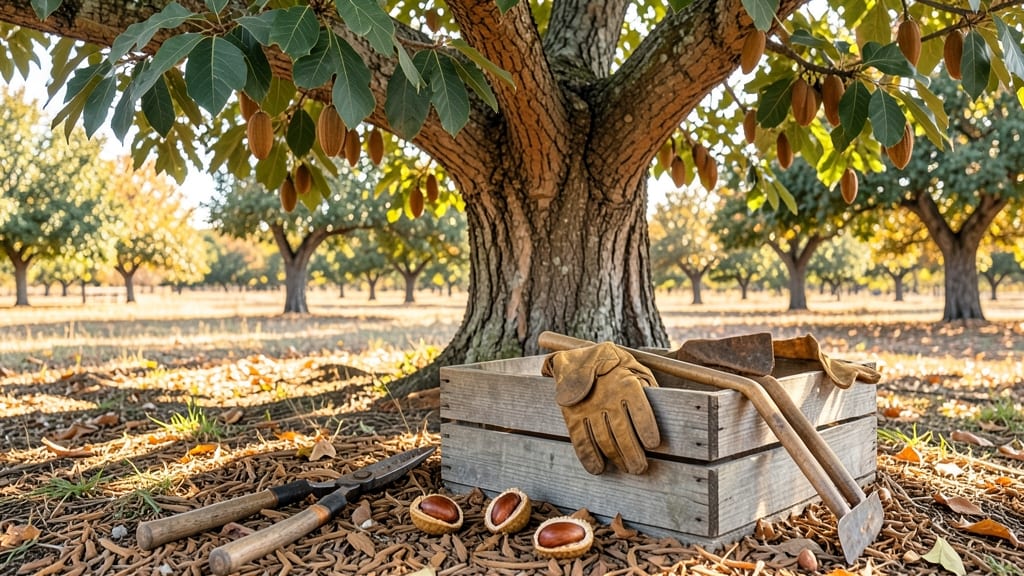
The pecan is New Mexico's state fruit, recognized in 1993 for its deep cultural roots, resilience in arid climates, and vital role in the state's agricultural heritage and Native American traditions.
New Mexico's selection of the pecan as its state fruit wasn't just about taste—it was about honoring a tree that's been part of the land for centuries. 🌳 Native American tribes like the Navajo and Pueblo peoples have cultivated pecans for generations, using them in everything from traditional foods to medicinal remedies.
What makes this nut stand out is its incredible adaptability; pecan trees thrive in New Mexico's varied climates, from the hot Rio Grande Valley to cooler high desert areas, making them a perfect fit for the state's diverse landscapes.
Beyond their cultural significance, pecans offer impressive nutritional benefits. A single ounce packs about 6 grams of plant-based protein and healthy fats that support heart health. The trees themselves are low-maintenance once established, requiring minimal water once their root systems develop—ideal for New Mexico's water-conscious gardeners.
Whether you're growing them in your backyard or simply enjoying their flavor, pecans represent both the state's agricultural heritage and its sustainable future.
💡 In This Article
- How Pecans Became New Mexico’s Iconic State Fruit
- Growing Pecan Trees in New Mexico: Climate, Soil, and Care Tips
How pecans became New Mexico’s iconic state fruit
Pecans earned their title as New Mexico's state fruit through a perfect storm of history, resilience, and cultural significance.
The story begins with Native American tribes like the Navajo and Pueblo peoples, who cultivated pecans for over 1,000 years—using the nuts in traditional foods like pemican (a high-energy trail mix) and tamales.
Spanish explorers later introduced European cultivation techniques in the 16th century, blending indigenous knowledge with new agricultural practices. This fusion created a hardy tree perfectly suited to New Mexico's arid conditions, where other nut crops would struggle.
The pecan's drought resistance comes from its deep root system, which can extend 10-15 feet underground to access moisture.
Unlike almonds or walnuts, pecans thrive in New Mexico's alkaline soils (pH 7.5-8.5) and hot summers, producing abundant crops even with minimal irrigation. 🌵 This adaptability made pecans a practical choice for both subsistence farming and commercial orchards.
When New Mexico officially designated the pecan as its state fruit in 1993, it wasn't just about flavor—it was about recognizing a tree that had sustained communities for centuries.
What truly set pecans apart was their dual role in both agriculture and tradition. While other states chose fruits like apples or oranges for their commercial value, New Mexico's selection highlighted the pecan's cultural heritage.
The 1993 legislative vote (House Bill 12) was a celebration of how pecans connected the state's past—Native American stewardship—with its present, as they became a $10 million annual crop by the 2000s.
This economic boost, combined with their nutritional profile (rich in vitamin E and healthy fats), made pecans a natural symbol of New Mexico's identity.
Consider this contrast: While California's state fruit is the fig (a Mediterranean import), or Georgia's is the peach (a Southern staple), New Mexico's pecan represents something uniquely its own—a native nut that doesn't need imported water or special soil.
The tree's slow but steady growth (taking 5-10 years to bear fruit) mirrors the state's patient approach to agriculture, where quality often outweighs speed. This philosophy is embedded in the pecan's journey from sacred food to state symbol.
Today, you can still see this legacy in New Mexico's pecan orchards, particularly in the Rio Grande Valley and Southern Plains, where trees like the 'Western Schley' variety dominate.
These orchards aren't just farms—they're living testaments to how a single species can bridge centuries of culture, survival, and innovation. When you crack open a pecan, you're tasting 1,000 years of New Mexico's story in every bite.
What most people don't realize is how pecans also played a role in New Mexico's water conservation efforts. Unlike thirsty crops like alfalfa, pecan trees require only 20-30% of the water per acre compared to traditional row crops.
This efficiency made them a sustainable choice long before modern water concerns became urgent. The pecan's ability to thrive with less than 12 inches of annual rainfall is a masterclass in resilience that aligns perfectly with New Mexico's arid climate.
So next time you enjoy pecan pie or a handful of raw pecans, remember: you're savoring a fruit that's more than just delicious—it's a living piece of New Mexico's history, science, and culture all wrapped in a crunchy, buttery shell. 🌟