
Plants
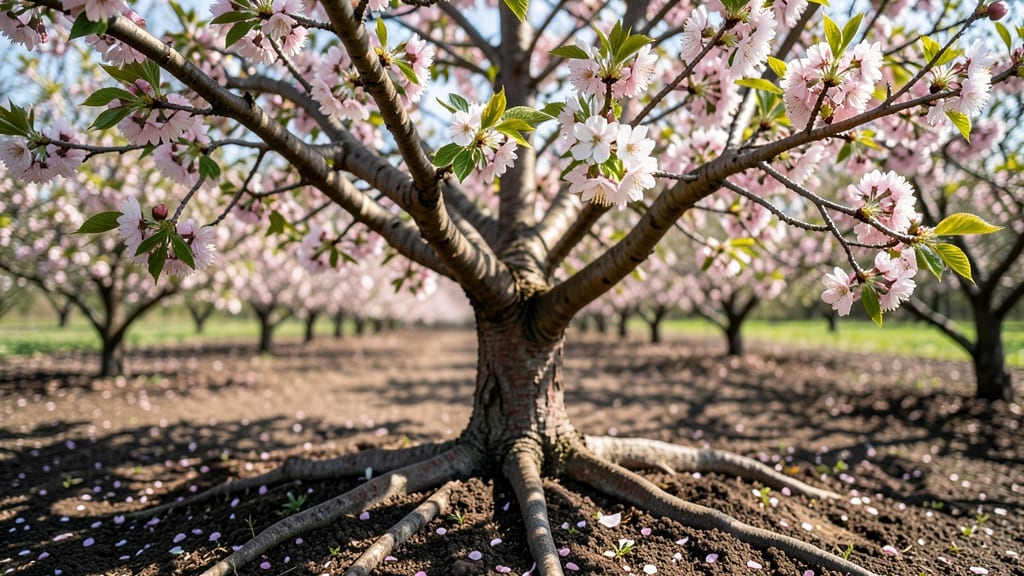
Fruits like cherries—such as apricots, peaches, plums, and nectarines—belong to the Prunus genus, sharing stone pits, sweet-tart flavors, and similar growing needs. Lesser-known options like loquats, saskatoons, and chokecherries also thrive in comparable climates and soil types.
These stone fruits all belong to the same botanical family, which means they need similar care: full sun, well-draining soil, and consistent moisture. 🌱 The key to growing them successfully lies in understanding their pollination needs—many require cross-pollination from other varieties to produce fruit.
For example, while cherries need a second tree for pollination, saskatoons often self-pollinate, making them a great choice for small gardens.
What makes these fruits particularly rewarding is their versatility in the kitchen. You can enjoy them fresh, baked into pies, or even fermented into wines. I’ve found that loquats, for instance, ripen earlier than most stone fruits, giving you a head start on summer harvests.
Plus, their tropical flavor profile adds a unique twist to traditional recipes.
💡 In This Article
- Stone Fruit Family Traits: Why Cherries Share Growing Conditions
- Top 5 Easy-to-Grow Cherry-Like Fruits for Home Gardens
Stone fruit family traits: why cherries share growing conditions
All stone fruits—including cherries, peaches, and plums—belong to the Prunus genus, which explains their shared traits. These plants produce a single large seed encased in a hard pit, surrounded by fleshy fruit.
This botanical structure requires similar growing conditions: full sun exposure (6-8 hours daily), well-draining soil with a pH between 6.0 and 7.0, and consistent moisture during flowering and fruiting.
The Prunus genus also shares a dormancy requirement, meaning these trees need a period of cold weather (200-1,000 chill hours, depending on variety) to break dormancy and produce fruit the following spring.
The pollination process is another key similarity. Most stone fruits require cross-pollination between different varieties to set fruit—meaning you’ll need at least two trees for optimal yields.
For example, a sweet cherry tree needs a compatible sour cherry pollinator, while plums often self-pollinate but produce more fruit with a second variety nearby.
This shared dependency creates challenges but also opportunities for gardeners who want to plant multiple compatible varieties in close proximity. 🌿 The flowering period typically occurs in early spring, right before leaves emerge, making timing critical for successful pollination.
Seasonal cycles align closely across stone fruits, with most varieties flowering in late winter to early spring and ripening in late spring to early fall, depending on the species. Cherries, for instance, ripen in May-June, while peaches and nectarines peak in July-August.
This synchronization allows gardeners to stagger harvests and extend their fresh fruit supply. The trees also share similar growth habits, reaching maturity in 3-5 years and producing fruit for decades with proper care. This longevity makes them a worthwhile investment for home gardens.
Cold hardiness varies slightly within the Prunus genus, but most stone fruits can tolerate USDA zones 5-9, with some exceptions like apricots, which prefer warmer climates (zones 6-9).
This adaptability means gardeners in diverse regions can grow these fruits, though chill hours (the number of hours below 45°F needed for dormancy) become critical in warmer areas.
For example, loquats, while not a true stone fruit, thrive in zones 7-10 and share similar care requirements, making them a great alternative for southern gardeners.
Soil composition plays a crucial role in their success. Stone fruits prefer loamy, slightly acidic soil with good drainage to prevent root rot—a common issue in heavy clay or waterlogged conditions.
Amending soil with compost or organic matter improves fertility and structure, while mulching helps retain moisture and regulate soil temperature. The roots of these trees are shallow, so consistent moisture is essential, especially during fruit set (when flowers turn into fruit) and rapid growth phases in spring and early summer.
What most gardeners don’t realize is how these shared traits extend to pest and disease management.
Stone fruits are susceptible to similar issues like brown rot, peach leaf curl, and aphid infestations, which means preventive measures—such as pruning for airflow, applying copper fungicides, and introducing beneficial insects—apply across the board.
This uniformity simplifies care once you understand the basics of one stone fruit variety. 🌱
Understanding these botanical and environmental similarities makes growing stone fruits far more manageable. Whether you're planting a classic sweet cherry or experimenting with lesser-known varieties like saskatoons, the core principles remain the same.
This shared foundation is what allows these fruits to thrive together in the same garden, creating a harmonious and productive orchard.