
Trees
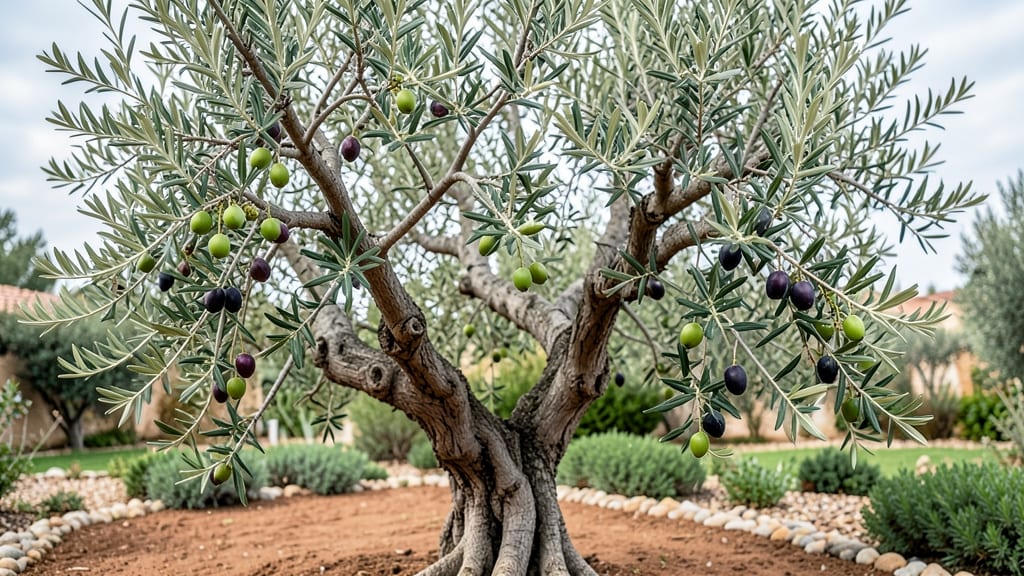
Understanding the olive tree fruit stages 🫒 is the key to predicting when your harvest will arrive—and whether it’ll be worth the wait.
Picture this: one morning, your tree is blanketed in delicate white flowers, and by autumn, you’re shaking branches for plump, purple-black olives. But somewhere in between, there’s a critical window where timing makes all the difference.
From flowering in spring to the final ripening phase by late fall, each stage brings its own challenges—like knowing when fruit is ready to pick versus still too hard or bitter. Miss it, and you could end up with olives that are either underripe or overripe.
Here’s a month-by-month breakdown of what to expect, including visual cues, common mistakes to avoid, and how to keep your olive tree thriving for a bountiful harvest.
Olive tree fruit development stages by month: flowering to green fruit
Understanding the olive tree fruit stages helps you anticipate when your tree needs extra care—and when to expect that first harvest. From delicate white blossoms to firm green fruit, each month brings distinct changes.
Let’s break down what to watch for between April and August, when most olive varieties transition from flowering to early ripening.
Olive trees typically bloom in late spring (April-May), producing small white flowers that develop into tiny fruit. These early stages are critical because environmental factors like temperature and water stress can drastically affect fruit set.
In Mediterranean climates, where olives thrive, consistent warmth and moderate moisture create ideal conditions for healthy fruit development.
In April, your olive tree’s white flowers transform into tiny green olives, a process called fruit set. This stage is delicate—too much water or wind can cause fruit drop.
Prune any dead or diseased branches immediately to redirect energy to developing fruit. If you notice excessive fruit drop, it may signal poor pollination or stress.
By May, olives enter the pit hardening phase, growing to about half an inch in size. The pit (seed) inside becomes firm, a critical milestone for oil production. This is also when olive fruit flies become active—use yellow sticky traps to monitor populations.
If you’re in a hot climate, increase shade slightly to prevent sunburn on young fruit.
June marks the cell division peak, where olives grow rapidly to nearly three-quarters of an inch. Their skin turns glossy green, and you’ll notice a slight sweetness if you taste one (though they’re still bitter!).
Reduce watering now—overwatering can lead to split fruit. Apply a balanced fertilizer (5-10-10) to support this growth spurt without promoting excessive foliage.
In July, olive growth slows as the fruit focuses on texture development. They’ll feel firmer and reach their final size, typically 1–2 inches long, depending on the variety.
This is a good time to inspect for peacock spot disease (brown spots with yellow halos). If detected, remove infected fruit and treat with copper fungicide.
August signals the start of early ripening, where olives may begin to dull in color or develop slight purple tinges. While they’re not yet ready for harvest, this is when you should start weekly ripeness checks.
Gently twist an olive—if it detaches easily, it’s approaching maturity. For oil olives, harvest in green stage; for table olives, wait until they darken.
Pro tip: Keep a harvest journal to track color changes, size, and taste tests. Note when olives turn from bright green to matte green or purple, as this indicates ripening progress.
Adjust your watering schedule based on local heat—drought stress can stall development, while excessive moisture may lead to rot or cracking.
🌱
How to identify ripeness in olive fruit: color, texture, and taste tests
Determining when your olive fruit is ready for harvest depends on three key factors: color changes, flesh firmness, and taste tests. Unlike many fruits, olives don’t ripen further after picking, so timing is everything.
For table olives, you’ll want them to turn deep purple or black, while oil olives are typically harvested when still green but fully sized.
Color is your first clue—green olives start bright and firm, gradually darkening to purple or black as they ripen. However, color alone isn’t enough; you’ll also need to check the olive texture.
A ripe olive should feel slightly soft when gently squeezed, though it shouldn’t be mushy. If it’s still rock-hard or overly firm, it’s not ready yet.
Olive Ripeness Guide
Ripe Olives
- 🟣 Color: Deep purple/black (varies by variety)
- 🤏 Texture: Slightly soft, plump
- 🍯 Taste: Sweet or mild (if eaten fresh)
- ✂️ Detachment: Easily twists off branch
Unripe Olives
- 🟢 Color: Bright green, firm
- 🤲 Texture: Rock-hard, small
- 😖 Taste: Extremely bitter
- 🤲 Detachment: Stays firmly attached
Note: Regional climates affect ripening—cooler areas may take 2-4 weeks longer than warmer Mediterranean zones.
For a definitive test, try a taste test on a few olives. Ripe olives will be sweet or mildly bitter, while unripe ones are painfully bitter. If you’re harvesting for olive oil, aim for green olives that are fully sized but still firm.
For table olives, wait until they’ve darkened to your preferred shade—some varieties stay green even when ripe!
Regional variations play a big role in ripening times. In California or Spain, olives typically ripen between October and December, while cooler coastal climates like Greece may see harvests stretching into January.
Pay attention to your local climate—drought stress can delay ripening, while excessive heat may cause olives to ripen too quickly.
If you’re unsure, harvest a few olives early and monitor their progress. Store them in a cool, dark place for 1-2 weeks to see if they soften or darken further.
This hands-on approach ensures you’ll never miss the perfect harvest window. Once you’ve mastered these cues, you’ll be picking olives at their peak every season!
Pro tip: Use a harvest basket with soft lining to avoid bruising the fruit. And remember—overripe olives become mealy and lose flavor, so don’t wait too long! 🫒