
Shrubs
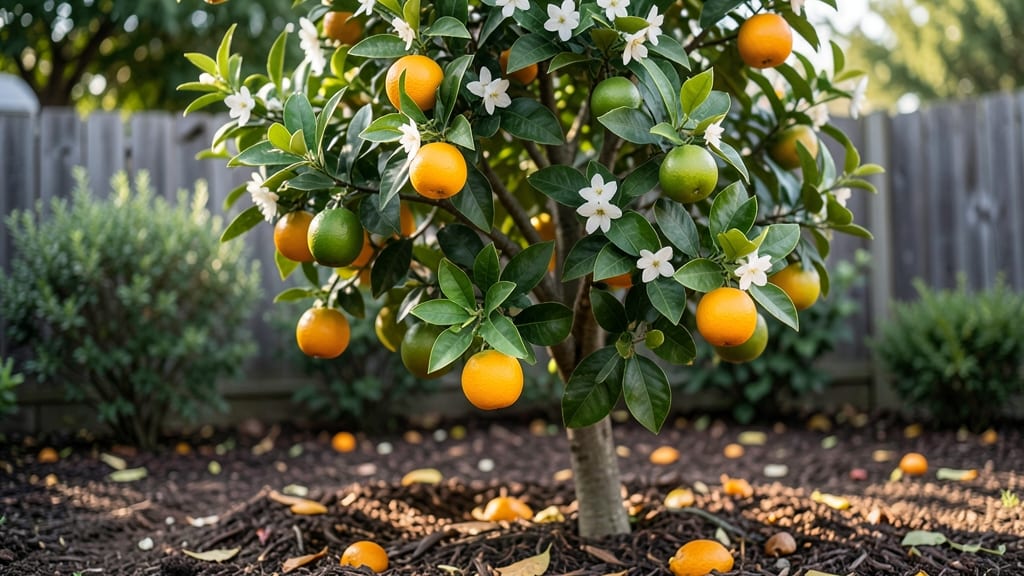
An orange-red fruit is most likely a persimmon, especially the Fuyu variety, which develops its signature bright hue when fully ripe. This fruit's honeyed sweetness and striking color make it a favorite among gardeners in temperate regions, where it thrives in well-drained soil.
Persimmons belong to the Diospyros genus and come in two main types: astringent (like Hachiya) and non-astringent (like Fuyu).
The vibrant orange-red color appears as the fruit's natural sugars develop, signaling peak ripeness. 🌿 Unlike many fruits, persimmons actually improve in flavor after being picked, making them perfect for both fresh eating and baking into pies or jams.
Their hardy nature means they can survive in USDA zones 5-9, but they do best with full sun exposure and slightly acidic soil.
When harvesting, wait until the fruit's skin turns uniformly orange-red and feels slightly soft to the touch. Never pick them green—this prevents them from ripening properly. Once harvested, store them at room temperature until fully ripe, then refrigerate to extend freshness.
The fruit's versatility shines in both sweet and savory dishes, from simple snacks to elegant desserts.
💡 In This Article
- Identifying and Cultivating Persimmon Trees for Orange-Red Fruit
- Harvesting and Using Persimmons: From Garden to Table
Identifying and cultivating persimmon trees for orange-red fruit
Persimmons (Diospyros species) develop their signature orange-red color through a fascinating botanical process called anthocyanin accumulation. These pigments—responsible for red, purple, and blue hues in plants—intensify as the fruit matures, triggered by sunlight exposure and temperature fluctuations.
The shift from green to vibrant orange-red occurs when the fruit's sugar content reaches 18-22% (similar to grapes used for wine), creating that signature sweetness. 🌿 Unlike apples or peaches, persimmons' color deepens even after harvest, making them unique among fruits.
The Fuyu variety, prized for its non-astringent (non-bitter) flesh, thrives in USDA zones 5-9 and requires 6-8 hours of direct sunlight daily to develop optimal color and flavor. Soil pH should range between 5.5-7.0—too acidic or alkaline stunts growth.
Young trees need consistent moisture, but mature specimens develop deep roots that tolerate brief droughts. The key to vibrant fruit? Prune branches to improve airflow and remove suckers that drain energy from the main trunk.
Seasonal care makes all the difference. In early spring, apply a balanced 10-10-10 fertilizer to promote flowering, then mulch with wood chips to retain moisture.
Persimmon trees are self-pollinating, but cross-pollination between varieties (like Fuyu and Hachiya) can double yields. 🌱 Harvest timing is critical: Fuyu persimmons are ready when they're firm, orange-red, and slightly soft at the stem end—usually late October to November in most growing regions.
Common mistakes gardeners make include overwatering (which causes root rot) or under-pruning (leading to crowded branches that reduce fruit quality). Persimmons are also sensitive to late spring frosts, which can damage blossoms.
To protect young trees, wrap trunks with burlap or use frost cloths during 28-32°F temperature drops. The reward? Trees can live for 50+ years and produce fruit annually once established.
For home gardeners, choosing disease-resistant varieties like 'Meader' or 'Eureka' minimizes pest issues. Japanese beetles and aphids are occasional threats, but a strong spray of water or neem oil usually keeps them at bay.
The tree's glossy, oval leaves and distinctive 4-inch-long fruit make it a stunning ornamental plant even when not bearing fruit. 🌟
Once established, persimmon trees require minimal intervention but reward with 50-100 pounds of fruit per tree annually. Their hardiness and low-maintenance nature make them ideal for both suburban gardens and rural homesteads.
The secret to consistent orange-red fruit? Start with healthy nursery stock, follow seasonal care guidelines, and be patient—it typically takes 3-5 years for young trees to bear their first significant harvest.