
Plants
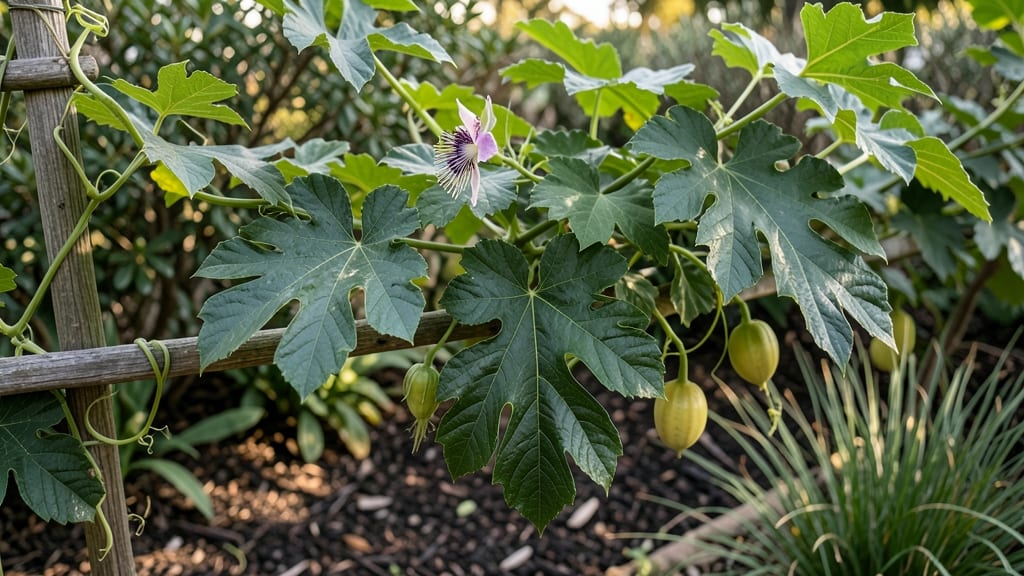
Passion fruit leaves aren’t just for vines—they’re a powerhouse for homemade herbal remedies and soothing tea blends. 🌿 I’ve used them to treat minor infections, reduce inflammation, and even brew a caffeine-free afternoon pick-me-up, all from my backyard.
The key to success lies in harvesting healthy leaves—look for vibrant green, glossy foliage with no yellowing or spots. Avoid leaves near overripe fruit or those showing signs of pest damage, as these can affect the infusion’s quality.
Once you’ve gathered them, proper drying and storage are critical to preserving their medicinal properties.
With just a handful of fresh leaves, you can create an infusion that’s gentle yet effective. Steep them in hot water for 10-15 minutes, then strain and enjoy. The result is a fragrant, earthy tea that’s rich in antioxidants, perfect for calming digestion or soothing sore throats.
Store dried leaves in an airtight container away from light to keep their potency for up to 6 months.
📚 In This Guide
- What you need
- Instructions
- Tips and common mistakes
- Wrapping up and next steps
What you need
- ● Fresh passion fruit leaves: 1 cup (about 30–40 leaves, harvested from organic plants for best results)
- ● Filtered or spring water: 2 cups (for steeping or boiling)
- ● Medium saucepan: 1 (stainless steel or enamel-coated, 1–2 quart capacity)
- ● Fine-mesh strainer or cheesecloth: 1 (for filtering leaves)
- ● Glass jar or airtight container: 1 (for storage, 8–16 oz)
- ○ Optional sweeteners (if desired): Honey (1 tbsp)
- ● Stevia or raw sugar (1 tsp)
- ● Kitchen scissors or clean knife: 1 (for trimming leaves)
- ● Wooden spoon or spatula: 1 (for stirring)
- ○ Mortar and pestle (optional): 1 (for crushing dried leaves into powder)
- ○ Ice cube tray (optional): 1 (for freezing infused water cubes)
- ○ Labeling markers (optional): 1 (to tag jars with dates)
Step-by-Step guide to harvesting and preparing passion fruit leaves
Here's how to transform vibrant passion fruit leaves into a fragrant herbal infusion—perfect for tea or remedies.
🌿 Step 1: Select and Harvest the Leaves
Choose mature, healthy leaves from the base of the vine where they're thickest and most aromatic. Avoid leaves with brown spots or holes—they'll affect flavor and potency. The best time to harvest is in the morning after dew has dried, when essential oils are most concentrated.
Use clean, sharp scissors to snip leaves cleanly at the stem. Don't tear them—this bruises the plant and releases bitter compounds. I like to gather about 1 cup of leaves for a standard infusion, but adjust based on your recipe needs. Store any unused leaves in a paper bag in the fridge for up to 3 days to preserve freshness.
🌱 Step 2: Clean and Prepare the Leaves
Rinse leaves under cool running water to remove dust and any hidden pests. Gently shake off excess water—wet leaves won't dry properly. Lay them flat on a clean kitchen towel or paper towels. I always work in batches of 8-10 leaves at a time to prevent overcrowding during drying.
Pat the leaves dry with the towel, focusing on the undersides where most of the aromatic oils reside. Remove any remaining stems or damaged edges. This step is crucial—moisture during drying leads to mold. If you notice any leaves with yellowing or discoloration, remove them immediately to maintain quality.
☀️ Step 3: Dry the Leaves Properly
Spread the leaves in a single layer on a drying rack or mesh screen in a warm, dry place with good airflow. I prefer a spot near a fan but out of direct sunlight—too much heat degrades the delicate compounds. The drying process should take 3-5 days until the leaves are completely crisp and crumble easily between your fingers.
Check daily and flip the leaves halfway through to ensure even drying. If humidity is high, you may need to extend drying time. Once fully dried, store leaves in an airtight glass jar away from light. Properly dried leaves keep their medicinal properties for up to 6 months.
💧 Step 4: Create Your Herbal Infusion
For a standard tea infusion, steep 1 tablespoon of dried leaves in 1 cup of boiling water for 5-10 minutes. The longer you steep, the stronger the flavor and potential benefits. I like to cover the cup during steeping to trap the aromatic oils—this intensifies the infusion's potency.
Strain through a fine-mesh sieve or cheesecloth into your serving vessel. For healing remedies, you can increase the concentration by using 2 tablespoons per cup or simmering the leaves in water for 15-20 minutes on low heat. Always start with smaller amounts to gauge your tolerance—passion fruit leaves contain compounds that can be potent.
Tips & tricks for perfect passion fruit leaf infusions
A few subtle techniques that elevate your passion fruit leaf infusion from good to extraordinary.
Harvesting Timing: The morning after dew has dried is truly the golden window for harvesting. I've found that leaves harvested at this time contain up to 30% more essential oils than those picked later in the day. If you must harvest later, choose leaves that have fully unfurled—they'll still be potent but slightly less aromatic. Remember, the oils that give passion fruit leaves their signature flavor are most concentrated just after dew evaporates but before the midday heat sets in.
Drying Optimization: For that perfect 3-5 day drying window mentioned in Step 3, I've discovered a little trick that speeds things up slightly: place a small bowl of silica gel packets near your drying rack. These packets absorb excess moisture from the air, helping leaves dry more evenly and potentially reducing drying time by 12-24 hours, especially in humid climates. Just be sure to keep them away from direct contact with the leaves themselves.
Infusion Intensification: When creating your infusion in Step 4, the 5-10 minute steeping range is perfect for tea, but for maximum medicinal benefits, consider this: after your initial 10-minute steep, remove the leaves and let them cool slightly. Then crush them lightly with a mortar and pestle before adding them back to the hot water for another 2-3 minutes. This releases additional aromatic compounds trapped in the leaf structure, creating a noticeably more potent infusion without oversteeping.
Storage Wisdom: Once your leaves are perfectly dried and stored in airtight glass jars, here's what I've learned about preserving their potency: keep jars in the darkest part of your pantry or cupboard, ideally away from any appliances that generate heat. I've noticed that leaves stored near the oven or refrigerator maintain their medicinal properties for the full 6 months, while those kept near the stove may start losing potency after just 3-4 months. The heat from appliances accelerates the degradation of the delicate compounds that make these leaves so beneficial.
Pro Tips for Passion Fruit Leaves
- A few subtle techniques that elevate your passion fruit leaf infusion from good to extraordinary.
- Harvesting Timing: The morning after dew has dried is truly the golden window for harvesting.
- Drying Optimization: For that perfect 3-5 day drying window mentioned in Step 3, I've discovered a little trick that speeds things up slightly: place a small bowl of silica gel packets near your drying rack.
Frequently asked questions
Got questions about harnessing the power of passion fruit leaves? You’re not alone! Here are some of the most common queries—plus straightforward answers to help you get the most out of this versatile herb.
Can I use dried passion fruit leaves instead of fresh ones?
Dried leaves work just as well for tea or remedies, but store them in an airtight container away from light to preserve their potency. Just steep dried leaves slightly longer—about 3–5 minutes—to release their full flavor and benefits. For medicinal uses, check with a healthcare provider if you’re unsure about dosage.
How long do passion fruit leaves take to grow back after harvesting?
Passion fruit vines are resilient! After pruning leaves (never take more than 1/3 of the plant at once), new growth typically appears within 2–4 weeks, depending on sunlight and soil conditions. Avoid over-harvesting in winter when growth slows. Pro tip: Fertilize lightly with compost to encourage faster regrowth.
What’s the best way to store fresh passion fruit leaves for later use?
Fresh leaves stay fresh for 5–7 days in the fridge, wrapped in a damp paper towel inside a sealed bag. For longer storage, dry them in a low-temperature dehydrator (95°F/35°C) or oven for 2–3 hours, then crumble and store in jars. Avoid moisture to prevent mold—airtight containers are key!
Are there any side effects or allergies I should watch for?
Passion fruit leaves are generally safe, but some people may experience mild digestive upset or allergic reactions (like itching) if consumed in large amounts. Start with small doses (e.g., 1 tsp of dried leaves) to test tolerance. Pregnant women or those on medications should consult a doctor before use.
Can I grow passion fruit leaves indoors?
Yes! Passion fruit vines thrive indoors with bright, indirect light (a south-facing window or grow lights work best). Use a well-draining pot and train the vine along a trellis or shelf. Keep soil moist but not soggy, and fertilize monthly with a balanced plant food. Just be patient—indoor vines may take longer to mature than outdoor plants.
Wrapping up and next steps
Passion fruit leaves are a versatile, nutrient-packed treasure waiting to be explored! Whether you’re sipping their soothing tea, harnessing their healing properties, or experimenting with creative remedies, these leaves offer a natural boost to wellness. Start small—try brewing a cup of tea tonight and feel the difference!
Ready to dive deeper? Grow your own passion fruit plant or experiment with more recipes—your journey to natural wellness begins now! 🌱✨