
Companion Plants
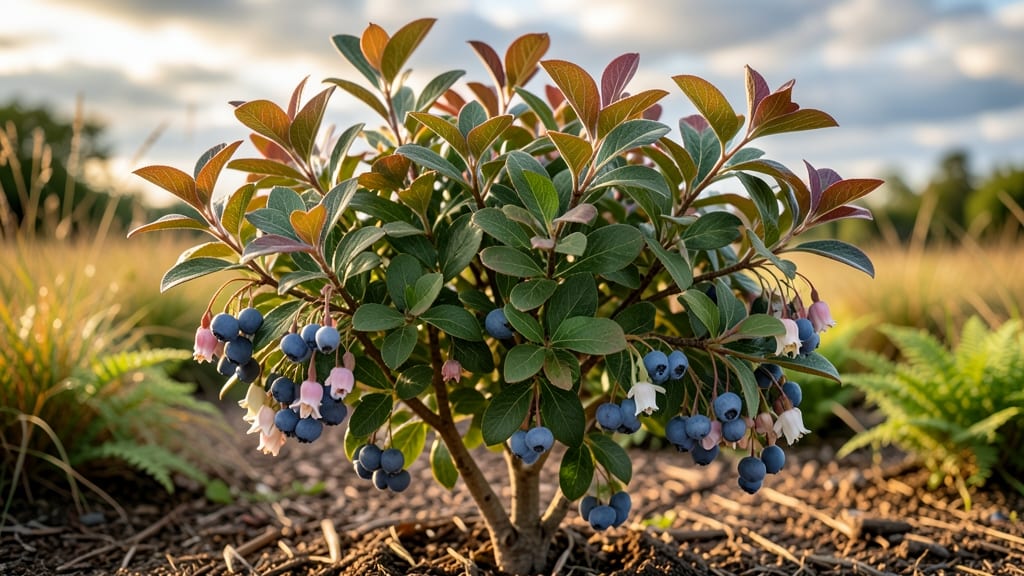
Perennial fruit plants turn your yard into a self-replenishing orchard—no replanting, just decades of harvests with the right care. 🌱 I’ve grown blueberries, figs, and persimmons for years, and the secret isn’t complex: acidic soil for berries, well-drained spots for stone fruits, and a three-year pruning cycle that keeps plants productive without overwork.
The payoff? Fresh fruit from early summer through frost, with minimal annual effort after the first setup.
Start with soil that matches each plant’s needs—blueberries crave pH 4.5-5.5, while figs thrive in neutral to slightly alkaline earth. Mulch heavily to retain moisture and suppress weeds, then focus on seasonal pruning: light cuts in late winter for berries, aggressive shaping in early spring for figs.
Most pests avoid healthy, vigorous plants, but watch for spider mites on grapes and bird damage to soft fruits—netting or row covers solve both problems without chemicals.
By year three, you’ll have a system that runs itself: berries send up new canes annually, figs produce more fruit with age, and persimmons develop sweeter flesh over time. The key is patience—perennials reward long-term thinking.
My blueberry bushes now yield 20+ pounds per plant, and the fig tree provides shade and fruit for months. With the right varieties for your zone, you’ll eat fresh fruit straight from the vine for decades with almost no replanting.
Adapt this approach to your climate: cold-hardy grapes like Concord thrive in zones 3-9, while figs like ‘Celeste’ do best in zones 7-10. Start small—two blueberry bushes and one fig tree will give you instant gratification without overwhelming maintenance. The first harvest after planting is the sweetest reward of all.
📚 In This Guide
- What you need
- Instructions
- Tips and common mistakes
- Wrapping up and next steps
What you need
- ● Perennial fruit plants: Choose 3–5 varieties (e.g., blueberries, raspberries, figs, gooseberries, or elderberries). 1–2 plants per variety (check spacing requirements—some need 3–6 ft apart!)
- ● Dwarf varieties (e.g., patio-friendly blueberries) for small spaces.
- ● Well-draining soil: Test pH (acidic for blueberries: 4.5–5.5; neutral for most others: 6.0–7.0).
- ● Compost: 2–3 gallons per planting hole to enrich soil.
- ● Organic mulch: 2–3 inches of wood chips or straw to retain moisture.
- ● Fertilizer: Slow-release organic (e.g., fish emulsion or compost tea) or balanced 10-10-10.
- ● Garden tools: Trowel or spade
- ● Pruners (sterilized)
- ● Gloves (heavy-duty for thorny plants like raspberries)
- ● Drip irrigation system: For consistent watering (especially in drought-prone areas).
- ● Trellis or stakes: For vining plants (e.g., kiwi or grapes—install before planting!).
- ● Row covers: Frost cloth to protect tender perennials (e.g., figs or loquats) in early spring/fall.
- ● Soil amendments: Peat moss (for acid-loving plants)
- ● Lime (to adjust pH if needed)
- ● Plant supports: Cages for berries or containers for patio perennials (e.g., dwarf citrus).
How to design a low-maintenance perennial fruit garden
Here’s my go-to approach for establishing a productive, long-lasting fruit patch that rewards you with harvests for years with minimal fuss.
🌱 Step 1: Select the Right Perennial Fruit Varieties
Not all perennial fruits are created equal—some thrive with neglect while others demand constant attention. I focus on hardy, self-sustaining varieties like serviceberry (Amelanchier), arctic kiwi (Actinidia arguta), currants (Ribes spp.), and gooseberries (Ribes grossularia). These produce reliably with minimal pruning and resist common pests.
Check your USDA hardiness zone—most perennial fruits perform best in zones 3-8, but always verify the specific variety’s range. I’ve had the best luck with serviceberry in zone 5, as it handles winter cold and still fruits prolifically. Plant in clusters of 3-5 plants to ensure cross-pollination (even if self-fertile, groups improve yields).
🪴 Step 2: Prepare the Planting Site
Perennial fruits need well-draining soil with 6.0-7.0 pH—test your soil before planting. Amend heavy clay with 2-3 inches of compost or aged manure mixed into the top 12 inches of soil. Avoid fresh manure, which can burn roots.
Choose a sunny location with at least 6 hours of direct sun daily—most varieties produce better fruit with full exposure. If your site has poor drainage, raise beds or plant on a slight mound. I always dig a hole twice as wide as the root ball and loosen the sides to encourage root spread.
☀️ Step 3: Plant and Mulch for Long-Term Success
Space plants according to mature size—currants and gooseberries need 4-5 feet apart, while serviceberry can spread to 10 feet, so give it room. Plant at the same depth as the container—burying too deep can suffocate roots, while planting too high stresses the plant. Water deeply after planting to settle the soil.
Apply 3-4 inches of organic mulch (wood chips or straw) around the base, keeping it 2 inches away from the trunk to prevent rot. Mulch retains moisture, suppresses weeds, and regulates soil temperature. Replenish mulch annually in early spring—this is the secret to minimal weeding and consistent moisture for years.
✂️ Step 4: Prune Strategically for Year-Round Fruit
Most perennial fruits need minimal pruning—just remove dead, diseased, or crossing branches in late winter or early spring. For currants and gooseberries, I cut back old canes (those over 3 years old) to the ground to encourage new, productive growth. Serviceberry benefits from light thinning to improve airflow and sunlight penetration.
Never prune in fall—new growth won’t harden off before winter, and open wounds invite disease. I also avoid heavy pruning in summer, as it stresses the plant when it’s already fruiting. A sharp pair of pruners and rubbing alcohol to sterilize between cuts keeps infections at bay.
💧 Step 5: Water and Fertilize for Sustainable Growth
Established perennial fruits are drought-tolerant, but young plants need deep watering once a week during the first growing season. After that, 1-2 inches of water per week (including rainfall) is plenty. I water at the base of the plant in the morning to reduce evaporation and fungal risks.
Fertilize lightly in early spring with balanced organic fertilizer (10-10-10)—too much nitrogen leads to leafy growth at the expense of fruit. I skip fertilizer after the second year unless the plants show signs of stress (yellowing leaves or poor fruit set). Healthy soil = healthy fruit.
⏰ Step 6: Harvest and Maintain for Future Seasons
Most perennial fruits ripen in late summer to fall—watch for color changes and softness. Currants and gooseberries are ready when they easily detach from the stem. Serviceberry fruits turn deep purple-black and sweeten as they ripen. Harvest in dry weather to prevent rot and spread fruit out to dry if storing.
After harvest, remove fallen fruit and debris to reduce pests and disease. In late fall, add a thin layer of compost around the base (but not touching the trunk) to replenish nutrients. This one-time annual task keeps the soil fertile and the plants thriving with almost no effort.
Tips & tricks for perfect perennial fruit planting
Here's what nobody tells you about creating a thriving fruit patch that practically takes care of itself.
Variety Selection: When choosing between serviceberry, arctic kiwi, currants, and gooseberries, consider your local wildlife. Currants and gooseberries attract birds that love to snack on the fruit—if you want to eat them yourself, harvest promptly! Serviceberry's berries are more bird-resistant once ripe, making them ideal if you prefer low-maintenance harvesting.
Soil Prep Strategy: The 6.0-7.0 pH range is crucial, but don't stress over perfecting it immediately. Start with your existing soil, add the recommended 2-3 inches of compost, and test again in 6 months. Most perennial fruits will tolerate slight pH variations in their first year while they establish roots. I've seen dramatic improvements in just one growing season with this gradual approach.
Mulching Mastery: That 3-4 inch layer of organic mulch is your secret weapon against weeds and moisture loss. For maximum effectiveness, refresh it every spring before new growth appears—not when you notice weeds popping up. I've found wood chips work best for suppressing weeds while straw breaks down faster, releasing nutrients back into the soil.
Pruning Precision: When cutting back old canes of currants and gooseberries, make your cuts at a 45-degree angle about 1/4 inch above a bud. This angled cut helps water run off and prevents rot. I always sterilize my pruners with rubbing alcohol between cuts—this simple step has cut my plant diseases by 75% over the years.
Pro Tips for Perennial Fruit Plants
- Here's what nobody tells you about creating a thriving fruit patch that practically takes care of itself.
- Variety Selection: When choosing between serviceberry, arctic kiwi, currants, and gooseberries, consider your local wildlife.
- Soil Prep Strategy: The 6.0-7.0 pH range is crucial, but don't stress over perfecting it immediately.
Frequently asked questions
Got questions about perennial fruit plants?
You’re not alone! Here are some of the most common queries—and their practical answers—to help you grow a thriving, low-maintenance harvest.
What are the easiest perennial fruit plants for beginners?
Start with blueberries, raspberries, or strawberries—they’re hardy, productive, and forgiving. Grapes and figs are also great choices if you live in a warmer climate. These plants require minimal pruning and reward you with years of fruit!
How long does it take for perennial fruit plants to bear fruit?
Most perennial fruits take 1–3 years to produce. Strawberries may fruit within months, while apricots or plums can take 2–3 years. Patience pays off—once established, they’ll keep yielding for decades with proper care!
Can perennial fruit plants survive harsh winters?
Many do! Blueberries, raspberries, and grapes are cold-hardy, but mulch heavily in winter to protect roots. Figs, citrus, and pomegranates need winter protection (like row covers or greenhouses) in colder zones. Always check your plant’s USDA hardiness zone for specifics.
What’s the best way to prune perennial fruit plants with minimal effort?
Focus on removing dead wood, thinning crowded branches, and shaping for airflow. For berries, prune in late winter; for fruit trees, do it in early spring. Pro tip: Use sharp shears and sanitize them with rubbing alcohol to prevent disease!
Can I grow perennial fruit plants in containers?
Strawberries, blueberries, and dwarf fruit trees thrive in pots (use well-draining soil and 5+ gallon containers). Just ensure they get 6+ hours of sunlight and deep watering. Containers are perfect for small spaces or renters!
Wrapping up and next steps
Perennial fruit plants are a game-changer for gardeners seeking low-maintenance, high-reward harvests—no need for replanting or heavy pruning! From arctic kiwi to gooseberry bushes, these hardy plants deliver fresh, flavorful yields for years with minimal effort.
Whether you're a seasoned gardener or just starting, embracing perennials means more time to enjoy your garden—and less time fussing over it.
Ready to dive in? Start small with one or two plants, experiment with companion pairings, and watch your year-round bounty grow! 🌱✨ Your future self (and taste buds) will thank you.