
Pruning
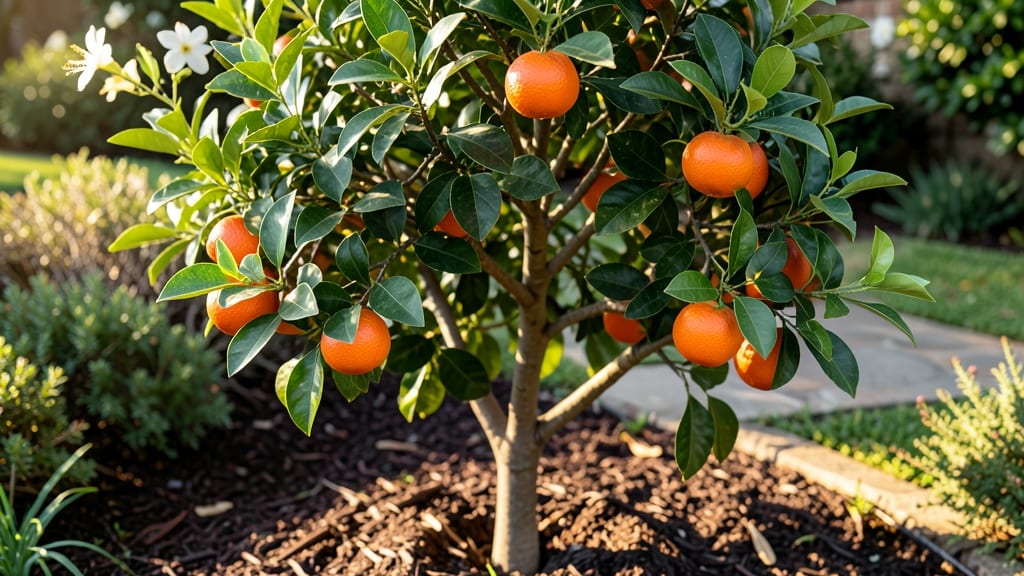
Your Rio Red grapefruit tree could bear fruit all year with the right pruning cuts. ✂️ I’ve watched mine go from a scraggly sapling to a productive citrus powerhouse by mastering just three simple pruning techniques—each timed to trigger new growth when the tree needs it most.
The secret isn’t aggressive trimming—it’s strategic cuts that open the canopy to sunlight and air, which is what turns bitter green fruit into sweet, jewel-toned Rio Reds. Most homeowners over-prune in winter, but the real magic happens in late spring and summer when the tree’s energy is already flowing.
One wrong cut can set you back a full season. By summer’s end, you’ll be harvesting fragrant, thick-skinned grapefruits that stay fresh for weeks—no more store-bought bitterness or seed spitting. The tree itself becomes a lush, evergreen centerpiece that outshines any ornamental plant in your yard.
Works in zones 9-11, but even container growers in cooler climates can keep theirs alive with winter protection. Let’s get those shears sharp and your tree thriving!
📚 In This Guide
- What you need
- Instructions
- Tips and common mistakes
- Wrapping up and next steps
What you need
- ● Rio Red Grapefruit Tree: A healthy, disease-free sapling or young tree (3–5 years old for best pruning results). Choose a variety suited to your climate (USDA Zones 9–11).
- ● Pruning Shears: Bypass pruners (sharp, 6–8" blades) for clean cuts on small branches.
- ● Loppers: For thicker branches (up to 2" diameter). Look for ratcheting or bypass loppers for precision.
- ● Pruning Saw: A folding pruning saw (with 7–10" blade) for larger limbs (2" and up).
- ● Disinfectant: 70% isopropyl alcohol or a pruning sealant (like Tanglefoot) to sterilize tools and prevent disease spread.
- ● Gloves: Heavy-duty, cut-resistant gloves to protect hands from thorns and sap.
- ○ Grafting Tape (Optional): Tree wound dressing (e.g., Tanglefoot Tree Wound Pruning Seal) for large cuts to reduce sap oozing.
- ● Compost or Mulch: Organic mulch (wood chips, straw) to retain moisture and protect roots.
- ● Location: Full sun (6+ hours daily) and well-draining soil (pH 6.0–7.5). Avoid frost-prone areas.
- ● Water Access: Drip irrigation or a hose with a soaker nozzle for deep watering.
- ● Fertilizer: Citrus-specific fertilizer (high in nitrogen, potassium, and micronutrients like zinc). Apply every 2–3 months during growing season.
- ● Patience: Young trees take 3–5 years to bear fruit; pruning should start at planting to shape the tree.
Step-by-Step guide to pruning your Rio Red grapefruit tree
Here’s how I keep my Rio Red grapefruit tree producing fruit year-round with precise, seasonal pruning.
✂️ Step 1: Prune for Airflow and Light in Late Winter
Start your pruning 2-3 weeks before your last frost date when the tree is still dormant but the threat of hard freezes has passed. Remove any dead, diseased, or crossing branches first—these compete with healthy growth and invite pests. I look for branches that rub against each other or grow inward; these will eventually damage the tree’s bark and create entry points for fungal infections.
Cut back branches that grow straight up from the trunk (called "water sprouts") to just above a outward-facing bud. This encourages the tree to grow outward rather than skyward, which improves fruit production. Use clean, sharp pruning shears to make cuts at a 45-degree angle, about ¼ inch above the bud. Avoid tearing the bark, as this stresses the tree and slows recovery.
🌱 Step 2: Shape the Tree and Thin Fruit Bearing Branches in Early Spring
Once new growth appears in early spring, focus on shaping the tree to maintain an open center. Rio Red grapefruit trees thrive with good air circulation, so I remove any branches that block sunlight from reaching the interior. Aim for a vase-like shape with the widest part of the canopy about halfway up the trunk. This ensures sunlight penetrates to the center, where fruit often develops.
If your tree is heavy with fruit, thin out clusters to 6-8 inches apart on each branch. Overloaded branches can snap under the weight, and thinning improves fruit size and quality. Cut back to a lateral bud just above the cluster you’re removing. This is also the time to remove any suckers growing from the base of the tree—they drain energy from the main canopy.
☀️ Step 3: Light Pruning and Pest Inspection in Late Summer
In late summer, after the main harvest, switch to a lighter touch. Remove only the smallest, weakest branches that haven’t contributed to fruit production. Look for signs of pests like aphids or scale insects, which often hide on new growth. If you spot infestations, prune out affected branches immediately and dispose of them in sealed bags—don’t compost them.
This is also the time to check for dieback, where branches suddenly stop growing and turn brown. Cut back to the last healthy growth, about 6 inches below the damaged section. Avoid heavy pruning now, as it stimulates new growth that won’t harden off before winter. A light trim keeps the tree balanced without stressing it before dormancy.
⏰ Step 4: Post-Harvest Cleanup and Winter Protection
After your final harvest of the season, remove all remaining fruit, even if it’s small or underripe. Leaving fruit on the tree signals the tree to store energy for next year’s growth, which can lead to alternate bearing (heavy one year, light the next). Prune out any branches that produced poor-quality fruit, as this encourages the tree to focus energy elsewhere.
Apply a 2-3 inch layer of mulch around the base of the tree, keeping it 6 inches away from the trunk. This protects roots from freezing temperatures and retains moisture. If you’re in a cold climate, wrap the trunk with burlap or tree wrap to prevent sunscald, which can occur when winter sunlight warms the bark too quickly. Remove the wrap in early spring before new growth begins.
Tips & tricks for pruning your Rio Red grapefruit tree
These seasonal strategies will help you maximize fruit production while keeping your tree healthy year after year.
Timing is Everything: The 2-3 week window before your last frost date is critical for Step 1 pruning. Check your local frost dates annually—they can shift by 1-2 weeks each year. I always mark my calendar with these dates so I don't miss the optimal window. Pruning too early risks exposing tender new growth to late frosts, while waiting too long delays the tree's energy kickstart for spring growth.
Visual Cues for Pruning: When shaping your tree in Step 2, look for branches that form a "V" shape when viewed from above—these are ideal for maintaining that vase-like structure. For water sprouts in Step 1, identify them by their vertical growth pattern and lack of leaves compared to productive branches. The outward-facing bud you're cutting to should be positioned at about a 45-degree angle from the branch you're removing. This creates the perfect angle for new growth to develop.
Pest Prevention Strategy: During your late summer inspection in Step 3, don't just focus on visible pests—check the undersides of leaves and new growth where insects often hide. I've found that keeping a small bottle of horticultural oil in my pruning kit helps me treat minor infestations immediately. For dieback, remember that the 6-inch rule below healthy growth gives the tree's vascular system time to seal off damaged areas naturally.
Seasonal Maintenance: The 2-3 inch mulch layer in Step 4 should be refreshed annually in early spring. I recommend using organic mulch like wood chips or straw, which improves soil structure over time. For tree wrap, use a breathable material—plastic wrap can trap moisture and cause bark rot. The key is balancing protection with airflow to prevent winter stress.
Pro Tips for Rio Red Grapefruit Tree
- These seasonal strategies will help you maximize fruit production while keeping your tree healthy year after year.
- Timing is Everything: The 2-3 week window before your last frost date is critical for Step 1 pruning.
- Visual Cues for Pruning: When shaping your tree in Step 2, look for branches that form a "V" shape when viewed from above—these are ideal for maintaining that vase-like structure.
Frequently asked questions
How often should I prune my Rio Red Grapefruit Tree?
Prune your tree 2–3 times a year for optimal health and fruit production. Lightly shape it in late winter (before new growth), remove dead/diseased branches in early spring, and do a final trim in summer after harvest to encourage airflow. Avoid heavy pruning during fruiting seasons to protect yield.
What’s the best time of year to harvest Rio Red grapefruits?
Harvest when the fruit is fully colored but still slightly firm—typically late fall to winter (November–February in most climates). Gently twist the grapefruit; if it separates easily from the tree, it’s ripe! Overripe fruit may split, so act fast. Pro tip: Use a fruit-picking pole for high branches to avoid damage.
Why aren’t my Rio Red grapefruits sweet or juicy?
Sweetness and juiciness depend on sunlight, water, and soil nutrients. Ensure your tree gets 6+ hours of direct sun daily and well-draining soil. Yellow leaves? It might need iron or zinc (common in alkaline soils). Troubleshoot: Check for pests (like aphids) and adjust watering—overwatering can dilute flavor.
Can I grow a Rio Red Grapefruit Tree in a container?
Yes! Choose a large pot (15+ gallons) with drainage holes and use a citrus-specific potting mix. Container trees need regular pruning to control size and winter protection (move indoors if temps drop below 30°F). Dwarf varieties like ‘Foster’ are ideal for small spaces. Remember: Containers dry out faster—water deeply 2–3 times weekly in hot weather.
What should I do if my Rio Red Grapefruit Tree gets root rot?
Root rot (from overwatering) is deadly but treatable early. Act fast: Stop watering, improve drainage, and repot in fresh, sterile soil. Trim any mushy roots with sterilized shears. For severe cases, consider a fungicide like copper fungicide. Prevent it: Water only when the top 2 inches of soil are dry.
Wrapping up and next steps
Growing a Rio Red grapefruit tree is a rewarding journey that combines patience, care, and a little pruning know-how. With the right techniques—like shaping for airflow, removing dead branches, and encouraging fruit production—you’ll enjoy year-round harvests of sweet, tangy grapefruits. 🍊✨
Now that you’re armed with the tools and tips, roll up your sleeves and get pruning! Start small, observe your tree’s growth, and soon, you’ll be savoring homegrown citrus straight from your backyard. Happy gardening!