
Propagation
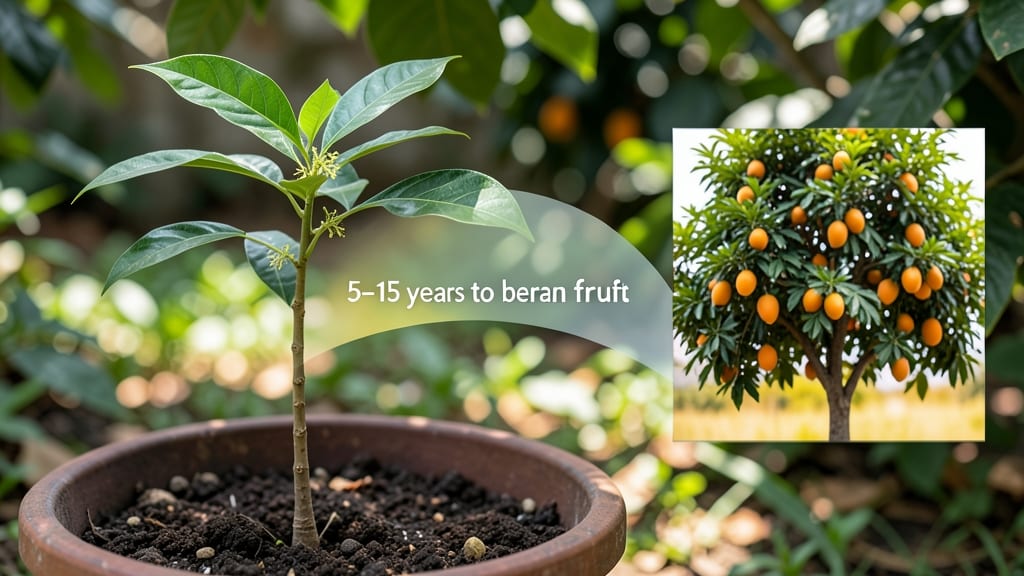
A mango tree grown from seed could take 7-10 years to bear fruit—or never at all. 🌱 I’ve watched my own seedling struggle through slow, unpredictable growth, and it’s a humbling reminder that patience is the real harvest.
The timeline isn’t just about time; it’s about climate, soil, and whether your tree even wants to fruit. Most seed-grown trees never produce quality fruit because they’re genetically unreliable. Grafted trees (the kind you buy at nurseries) fruit in 3-5 years, but seedlings? That’s a different story.
Tropical climates speed things up, while cooler zones may never see fruit—or only bitter, inedible ones. The first step is accepting that your tree might be more ornamental than productive. That said, with the right care—full sun, rich soil, and consistent watering—you can coax fruit from a seedling.
It’s not guaranteed, but the journey is worth it. I’ve seen seedlings flower in 4-6 years, though actual fruit takes longer. The key is watching for those first blooms and giving the tree every advantage. If you’re in a cooler zone, consider growing it as a houseplant first.
Even then, fruiting is a long shot—but the tropical vibe alone makes it worth the wait.
Delayed Fruit Production Explained
Understanding why a mango tree from seed takes so long to bear fruit starts with its genetic and environmental quirks. Unlike grafted trees (which fruit in 3–5 years), seed-grown mangoes are wildcards—literally. Here’s why the wait feels so long, broken down by science and survival strategy.
Mango trees grown from seed are genetically unpredictable. 🎲 Here’s why this matters: - Hybridization Chaos: When a mango seed sprouts, it’s a mix of both parents’ DNA—not a clone of the parent tree.
This genetic shuffle can produce a tree with: - Different fruit traits (size, taste, ripening time). - Slower maturation if the seed came from a slow-growing parent. - Unpredictable flowering cues (some varieties never fruit well from seed). - Juvenility Phase: Seedlings enter a "juvenile phase"—a built-in delay where the tree focuses on root and leaf growth before even considering flowers.
Think of it like a teenager ignoring dating until they’re "ready." 🧒🌱 - Actionable fix: If you want a reliable fruiter faster, graft a known variety onto your seedling after 2–3 years (ask local nurseries for scions).
Mangoes are tropical divas—they hate surprises. If your seedling isn’t in its ideal climate zone, it’ll either:
- Stunt growth (too cold? It’s napping. Too hot/dry? It’s stressed.).
- Skip flowering entirely (no chill hours = no fruit signals).
| Climate Factor | Problem | Solution |
|---|---|---|
| Low Temperatures | <50°F (10°C) stalls growth; <32°F (0°C) kills roots. | Plant in Zone 10–11 or use greenhouse protection. |
| Poor Drainage | Waterlogged roots = rot = no energy for fruit. | Amend soil with sand/perlite; raise beds. |
| Wrong Rainfall | Too little = drought stress; too much = fungal attacks. | Drip irrigation in dry zones; well-draining soil in wet ones. |
💡 Pro Tip: Mangoes need 6–8 hours of sunlight daily and consistent warmth. If your zone gets chilly winters, mulch heavily to protect roots.
A hungry mango tree won’t fruit—it’s too busy surviving.
Common deficiencies: - Nitrogen (N): Leads to yellow leaves and zero flowers. - Fix: Use balanced fertilizer (e.g., 10-10-10) in early spring. - Potassium (K): Weakens fruit development and disease resistance. - Fix: Add wood ash or banana peel compost (potassium-rich!). - Zinc/Magnesium: Causes stunted growth and poor flowering. - Fix: Spray with chelated zinc or apply Epsom salt (for magnesium).
⚠️ Warning: Over-fertilizing with phosphorus can delay flowering. Stick to low-P fertilizers (like 5-5-10) until the tree is 3+ years old.
Even if your tree is healthy, pests and pathogens can hijack its energy:
- Mango Seed Weevils: 🐛 Larvae burrow into seeds before germination, ensuring weak or dead seedlings.
- Prevent: Soak seeds in water for 3–5 days to drown weevils before planting.
- Anthracnose Fungus: 🍄 Causes black spots on leaves/fruit, reducing photosynthesis.
- Fix: Spray copper fungicide before rainy season.
- Root-Knot Nematodes: Steal nutrients, stunting growth.
- Fix: Plant in sandy soil (nematodes hate it) or use neem oil.
Even if your tree flowers, no bees = no fruit.
Mangoes rely on: - Bees/Wasps: Primary pollinators (but urban areas often lack them). - Wind: Helps some varieties, but not reliably. - Hand Pollination: If you’re in a low-pollinator zone, you’ll need to transfer pollen with a paintbrush! 🎨
🔥 Quick Hack: Plant native flowering plants (like citrus or bougainvillea) nearby to attract pollinators.
Some seedling mangoes flower early—but these blooms are sterile or produce tiny, inedible fruit. This happens because:
- The tree isn’t physically mature enough for real fruit.
- It’s stressed (drought, poor soil, or transplant shock).
- The variety is self-unfruitful (needs another tree for cross-pollination).
🌡️ Test for Readiness: A healthy, seed-grown mango tree should have: ✅ Trunk diameter of 2+ inches (at chest height). ✅ Mature leaves (dark green, 6–12 inches long). ✅ No signs of pest/disease for 1+ year.
Your seed-grown mango’s delay isn’t laziness—it’s survival programming. By fixing genetics, climate, nutrients, pests, and pollination, you’ll turn that 5–15 year wait into a guaranteed harvest. 🚀 Next up: How to Speed Up the Process (without cheating nature!).
Speed Up Your Mango Tree’s Fruit Timeline
Waiting for a mango tree grown from seed to bear fruit can feel like an eternity—especially when you’re eager to taste those sweet, juicy rewards! 🌱🍈 While patience is key, there are practical ways to encourage faster fruiting while keeping your tree healthy.
Below, we break down common delays and step-by-step fixes, along with prevention tips to set your tree up for success.
Cause: Poor soil, lack of nutrients, or weak root development can stall your tree’s growth, delaying fruiting.
Fix:
- 🔥 Test & Amend the Soil – Use a soil test kit (available at garden centers) to check pH (ideal: 5.5–7.0) and nutrient levels. Mango trees thrive in well-draining, slightly acidic soil. If needed, mix in compost, aged manure, or coconut coir to enrich it.
- 🍳 Feed with the Right Fertilizer – Use a balanced fertilizer (10-10-10 or 6-6-6) in early spring, then switch to a potassium-rich fertilizer (like 5-10-10) once the tree is 2–3 years old to encourage flowering. Avoid over-fertilizing—more isn’t better!
- 👨🍳 Water Deeply but Less Often – Mango trees hate soggy roots. Water deeply 2–3 times per week (adjust for climate) but ensure the topsoil dries slightly between waterings. Mulch around the base (with straw or wood chips) to retain moisture and regulate temperature.
💡 Pro Tip: If your tree is in a pot, upgrade to a larger container (15+ gallons) once roots start circling. Root-bound trees grow slower and fruit later.
Cause: Mango trees need warmth, sunlight, and a dry season to flower and fruit. If your climate lacks these, fruiting may take years longer.
Fix:
- ☀️ Maximize Sunlight – Plant in a full-sun spot (6+ hours daily). If growing in a container, place it where it gets direct sunlight (south-facing in the Northern Hemisphere).
- 🌡️ Simulate a Dry Season – Mango trees flower best with a short dry period (even in humid climates). Reduce watering slightly in late summer/early fall to trigger blooming.
- 🏡 Protect from Cold – If you’re in a temperate zone, grow your mango tree in a large pot and bring it indoors (or cover with frost cloth) when temps drop below 40°F (4°C). Some varieties (like ‘Haden’ or ‘Keitt’) tolerate slight cold better than others.
✨ Prevention Tip: Choose fast-growing, cold-hardy varieties like ‘Julie’ or ‘Cogshall’ if you’re in a cooler climate—they may fruit 1–2 years sooner.
Cause: Young trees (under 3–5 years) often skip flowering because they’re still growing leaves and roots. Even mature trees may fail to bloom due to stress, over-pruning, or lack of sunlight.
Fix:
- 🔪 Prune Strategically – Avoid heavy pruning in late winter/early spring (when buds form). Instead, lightly shape the tree in late spring/early summer to improve airflow and sunlight penetration.
- 🍄 Stress the Tree (Gently!) – Mango trees sometimes need a mild shock to flower. Try:
- 💧 Reducing water for 2–3 weeks in late summer.
- 🍎 Removing some fruit (if any form) to redirect energy to flowering.
- 🌿 Use Flowering Hormones (Optional) – Spray with a natural flowering hormone (like aloe vera gel + honey mix) in late winter to encourage blooms. Some gardeners swear by seaweed extract for this purpose.
🎯 Prevention Tip: If your tree is under 3 years old, don’t expect flowers yet—focus on strong growth first. Patience here pays off!
Cause: Aphids, scale insects, or fungal diseases (like anthracnose) weaken the tree, delaying fruiting.
Fix:
- 🐜 Identify the Problem – Check for:
- Sticky leaves? → Aphids or scale.
- Yellow spots? → Fungal infection.
- Wilting? → Root rot or overwatering.
- 🚿 Treat Naturally First –
- Pests: Spray with neem oil (1 tsp per quart of water) or soapy water (1 tbsp mild soap per gallon).
- Fungus: Apply copper fungicide or a baking soda spray (1 tbsp baking soda + 1 quart water + a drop of soap).
- 🔄 Prevent Future Issues –
- Space trees 20+ feet apart for airflow.
- Clean up fallen leaves to reduce fungal spores.
- Avoid overhead watering to keep foliage dry.
💡 Pro Tip: Ladybugs and lacewings are natural pest predators—encourage them by planting marigolds or basil nearby!
Cause: Some mango varieties take 5–10+ years to fruit, while others mature in 3–5 years. If you’re in a tropical vs. subtropical climate, your choice matters.
Fix:
- 🍈 Fast-Fruiting Varieties to Try:
- ‘Julie’ (3–4 years) – Cold-hardy, great for containers.
- ‘Cogshall’ (4–5 years) – Tolerates cooler temps.
- ‘Keitt’ (5–6 years) – Reliable in warmer zones.
- 🌱 Grafting (For Speed) – If you’re really impatient, graft a known fruiting variety onto your seedling’s rootstock. This can cut fruiting time by 2–3 years! (Best done by a professional or with a grafting kit.)
✨ Prevention Tip: If you’re buying a seedling, ask the nursery for grafted trees—they often fruit years sooner than seed-grown ones.
Final Thought: While you can’t completely control how long your mango tree takes to bear fruit, these targeted fixes will maximize its potential and minimize delays. Combine good care, the right variety, and a little patience, and you’ll be enjoying homegrown mangoes sooner than you think! 🍈🌿
Frequently asked questions
Why does a seed-grown mango tree take so much longer to fruit than a grafted one?
Seedlings go through a juvenile phase where they focus on root and leaf growth before flowering. Grafted trees are essentially mature clones, so they skip this phase and fruit in 3-5 years. Seedlings may take 7-15 years—or never fruit at all—because their genetics are unpredictable and they lack the stability of a known variety.
Can I speed up fruiting by using special fertilizers or growth hormones?
While potassium-rich fertilizers (like 5-10-10) and natural flowering hormones (aloe vera + honey) can help, they won’t drastically cut the timeline. The real accelerators are proper sunlight (6+ hours daily), well-draining soil, and grafting a known variety onto your seedling after 2-3 years. Patience is still key—no shortcut replaces proper care.
What’s the earliest a seed-grown mango tree can fruit, and what should I expect?
The earliest possible is 4-6 years—but these fruits are often small, bitter, or sterile. A reliable harvest typically takes 7-10 years in ideal tropical conditions. Even then, seed-grown trees may produce only 10-20% of the fruit quality of grafted varieties. The first fruits are usually a test of the tree’s maturity, not a guarantee of future harvests.
How do I know if my seedling will ever fruit, or is it just ornamental?
Watch for these signs of potential fruiting: trunk diameter ≥2 inches, mature leaves (6-12" long), and no pest/disease for 1+ year. If your tree is in Zone 10-11 with full sun and proper care, it has a chance. However, 90% of seed-grown mangoes never produce edible fruit—many gardeners treat them as decorative plants instead.
Can I grow a mango tree from seed in a pot, and will it fruit faster?
Yes, but containers slow growth—not speed it up. Use a 15+ gallon pot with drainage holes and tropical potting mix. Move it indoors during cold winters (<40°F/4°C). While potted trees can fruit, they’ll take 1-2 extra years compared to in-ground planting. The real advantage is mobility—you can protect it from frost or pests more easily.