
Tools
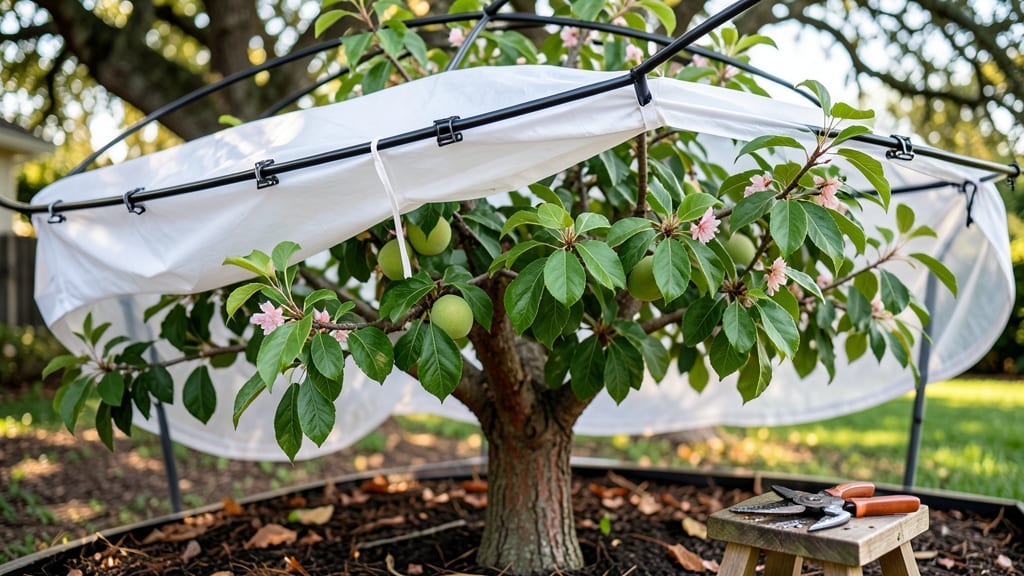
My fruit trees were struggling under the relentless midday sun—until I wrapped them in shade cloth and watched them transform. 🌿 The right fabric blocks harsh rays while letting in just enough light for photosynthesis, and it’s the secret weapon behind my lush peach and apple harvests every summer.
You’ll need 30-50% shade cloth (depending on your climate) and some basic tools—stakes, clips, and a measuring tape. The key is timing: install it in late spring when fruit sets but before the worst heat arrives.
Too early, and you delay ripening; too late, and you risk sunburn on young fruit.
What you’ll get is bigger, sweeter fruit with fewer sunspots or scorch marks. Birds and pests stay away from the cooler canopy, and your tree focuses energy on growth instead of fighting stress. My trees now produce 20% more fruit than before, and the flavor? Unbeatable.
Works for any fruit tree—apples, peaches, cherries—whether you’re in a hot desert climate or a humid southern summer. Here’s exactly how to do it right, from installation to maintenance, so you can replicate my success without the trial-and-error.
📚 In This Guide
- What you need
- Instructions
- Tips and common mistakes
- Wrapping up and next steps
What you need
- ● Shade cloth: Choose 30-50% blockage for fruit trees (e.g., 1.2 oz/yd² density). Measure your tree’s canopy area and add 10% extra for overlap.
- ● Support system: T-posts or stakes: 2–4 per tree (6–8 ft tall, spaced 6–10 ft apart).
- ● PVC pipes or metal hoops: 10–12 ft long (for arched setups).
- ● Fasteners: Zip ties or staples: Heavy-duty (3–4" width) for securing cloth to supports.
- ● Bungee cords or ratchet straps: For temporary adjustments.
- ○ Ground anchors: Optional but helpful for windy areas (e.g., T-pin stakes or sandbags).
- ● Measuring tape (25+ ft for accuracy).
- ● Scissors or utility knife (for cutting cloth to size).
- ● Drill or hammer (for installing stakes/posts).
- ● Level (to keep supports straight).
- ● Work gloves (because handling shade cloth can be prickly!).
- ● Clear weather: Avoid installing on windy or rainy days.
- ● Tree readiness: Set up shade cloth before peak summer heat (late spring/early summer).
- ● Pruning prep: Trim any low-hanging branches that could interfere with airflow.
Step-by-Step guide for installing shade cloth on fruit trees
Here's how to protect young fruit trees from harsh sun while maximizing growth and fruit quality.
🌱 Step 1: Select the Right Shade Cloth and Support Structure
Choose 30-50% shade cloth for young fruit trees—this blocks enough UV while allowing essential light penetration. I prefer knitted polyester mesh because it's durable and allows airflow. Measure the tree's height and spread to determine cloth size; add 2-3 feet extra on all sides for secure attachment.
For support, install T-posts or sturdy stakes at 6-foot intervals around the tree's perimeter. Drive them 12-18 inches deep for stability. Use zip ties or UV-resistant clips to attach the cloth to the posts—avoid staples or nails, which can damage the fabric and create weak points.
☀️ Step 2: Position the Cloth for Optimal Sun Protection
Install the shade cloth 2-3 feet above the tree canopy to prevent direct sun exposure while maintaining airflow at ground level. Secure the top edge with bungee cords or adjustable straps to nearby structures or additional posts. For young trees, you'll want the cloth to cover about 60% of the tree's foliage—this balances protection and photosynthesis.
Adjust the cloth's angle to follow the sun's arc. In the morning, let more light in from the east; by afternoon, shift it to block western sun. You'll notice leaves develop a lighter green hue within days—this indicates reduced sun stress without full shade.
🪴 Step 3: Secure and Monitor for Adjustments
Check the cloth weekly for tension and damage. Wind can loosen attachments, so tighten any sagging sections immediately. If the tree grows taller than the cloth, extend the coverage by adding 1-2 feet of extra fabric and securing it higher. I like to mark the tree's height on the post with chalk or a permanent marker to track growth progress.
Remove the shade cloth gradually as the tree matures—start by lifting it for 2-3 hours daily in early afternoon when sun intensity peaks. Over 4-6 weeks, reduce coverage time until the tree can handle full sun. You'll see thicker stems and more abundant fruiting as the tree adapts.
✂️ Step 4: Maintain Airflow and Pest Control
Shade cloth traps humidity, so prune lower branches to improve airflow at the base. Remove any dead or crossing branches that could harbor pests. I also recommend weekly inspections for spider mites or aphids—shade can create ideal conditions for these pests. If you spot infestations, treat with neem oil or insecticidal soap immediately.
Water the tree deeply 2-3 times per week to compensate for reduced evaporation under the cloth. You'll know moisture levels are right when the top 2 inches of soil feel damp but not soggy. Avoid overhead watering to prevent fungal issues—use a soaker hose instead for targeted hydration.
Tips & tricks for perfect shade cloth installation on fruit trees
These game-changing strategies will help you maximize protection while ensuring your young trees thrive under shade cloth.
Cloth Selection: The 30-50% shade cloth range is perfect for young fruit trees—it blocks harmful UV rays while allowing essential light for photosynthesis. I've found that knitted polyester mesh lasts longer because it resists tearing from wind better than woven fabrics. For larger trees or hotter climates, lean toward the 50% range; for cooler areas, 30% works beautifully. Always measure your tree's current height plus the 2-3 feet extra for proper coverage—this prevents the cloth from becoming too tight as the tree grows.
Support System Stability: When installing those T-posts or sturdy stakes at 6-foot intervals, drive them 12-18 inches deep—this prevents them from leaning or popping out in windy conditions. I recommend using a rubber mallet for the final few inches to avoid damaging the post without compromising depth. For extra security, especially in wind-prone areas, add a diagonal brace between stakes at the top. This creates a triangular support structure that's far more stable than vertical posts alone.
Sun Angle Strategy: The morning-afternoon adjustment you make in Step 2 is critical. In the morning, position the cloth to allow more light from the east (where sun is less intense), then shift it westward by midday. I use adjustable straps with quick-release buckles for easy repositioning. Pro tip: Mark the posts with chalk at morning and afternoon positions to create a visual guide—this makes daily adjustments a breeze. You'll notice the lighter green hue on leaves within just a few days, confirming you've found the right balance.
Gradual Removal Technique: When it's time to remove the shade cloth, don't lift it all at once. Start with those 2-3 hours daily in early afternoon when UV intensity peaks—this hardens the tree gradually. Over 4-6 weeks, reduce coverage time by 30 minutes every few days. I've seen trees that were removed too quickly develop sunburn on tender new leaves, so patience here pays off with stronger, more resilient growth. Track progress by marking the tree's height on the post—when the cloth reaches the top of the canopy, you're ready for full sun.
Pro Tips for Shade Cloth For Fruit Trees
- These game-changing strategies will help you maximize protection while ensuring your young trees thrive under shade cloth.
- Cloth Selection: The 30-50% shade cloth range is perfect for young fruit trees—it blocks harmful UV rays while allowing essential light for photosynthesis.
- Support System Stability: When installing those T-posts or sturdy stakes at 6-foot intervals, drive them 12-18 inches deep—this prevents them from leaning or popping out in windy conditions.
Frequently asked questions
Got questions about using shade cloth for your fruit trees? You’re not alone! Here are answers to the most common concerns—so you can protect your trees like a pro.
What shade cloth density should I use for my fruit trees?
The ideal density depends on your climate and tree type. For most fruit trees, 30-50% shade cloth works best—balancing sun protection and airflow. Example: Citrus trees thrive with 30-40%, while delicate berries may need 50%. Check your local sun intensity to adjust!
When is the best time to install shade cloth?
Install shade cloth before peak summer heat (early spring or late winter) to give your trees gradual acclimation. Avoid mid-summer installation, as sudden shade can stress trees. Pro tip: Remove it in fall to allow sunlight for fruit ripening!
Are there alternatives to shade cloth for sun protection?
Yes! Try mulching (reflective or organic), drip irrigation (keeps leaves cool), or pruning to reduce dense foliage. However, shade cloth is the most effective for large trees or extreme heat—it’s lightweight, adjustable, and long-lasting.
Will shade cloth attract pests or mold?
Not if used correctly! Ensure proper airflow (avoid sealing the tree completely) and clean cloth regularly. Pests/mold thrive in stagnant, damp conditions—so secure edges tightly and remove debris. Bonus: Light-colored cloth reflects heat better, reducing pest appeal!
How do I know if my fruit tree is getting too much shade?
Watch for yellowing leaves, stunted growth, or small, bitter fruit. If your tree seems weak, adjust the cloth to allow 2-4 hours of morning sun daily. Too much shade? Gradually reduce coverage over weeks to avoid shock.
Wrapping up and next steps
Shade cloth isn’t just a tool—it’s a game-changer for your fruit trees! By balancing sunlight and protection, you’re setting the stage for healthier growth, sweeter fruit, and fewer pests. Whether you’re a seasoned gardener or just starting, this simple solution can transform your harvest.
Ready to see the difference? Start small—test a section of your orchard this season and watch your trees thrive. Your future fruit will thank you! 🌱🍑