
Fertilization
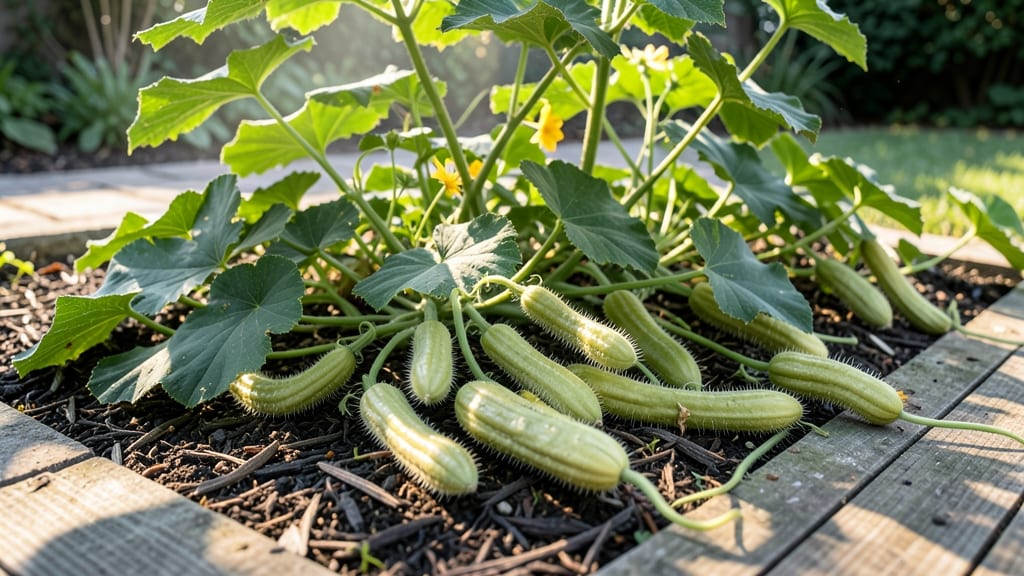
Growing spiny melon fruit (Cucumis metuliferus) turns your garden into a tropical escape with its vibrant orange, spiky fruits. 🌱 I learned the hard way that these vines need heat, patience, and just the right balance of moisture to thrive—but once they do, you’ll have a harvest unlike anything else.
The jelly-like flesh inside is packed with flavor, and the plant’s unique look makes it a conversation piece in any garden. The secret starts with a warm climate and well-draining soil. Spiny melons hate cold—even a light frost will kill them—and they need plenty of space to sprawl.
Plant seeds after the last frost when soil temperatures hit 70°F, and choose a spot with full sun (at least 6-8 hours daily). A trellis helps keep vines off the ground, reducing disease risk and making harvesting easier.
Once established, these vines produce bright orange fruits in just 80-100 days, but they’re sensitive to overwatering. Let the soil dry slightly between waterings, and pinch off early flowers to encourage stronger vines. The real reward?
A harvest that tastes like a mix of cucumber, citrus, and honey—plus, the spiky fruits add a fun, exotic touch to your garden. Don’t let frost sensitivity scare you off—grow them in containers and bring them indoors if needed.
With the right care, you’ll go from seed to harvest in a season, and your neighbors will be asking where you got those wild-looking (but delicious) melons!
📚 In This Guide
- What you need
- Instructions
- Tips and common mistakes
- Wrapping up and next steps
What you need
- ● Seeds: High-quality kiwano seeds (10–20 seeds for a small harvest or 30+ for a larger yield). Look for organic or heirloom varieties for best results.
- ● Growing Containers: 5–10 gallon pots (if growing indoors or in containers) with drainage holes.
- ● OR a well-draining garden bed in a warm, sunny location (USDA Zones 9–11; colder climates may need greenhouse or indoor growing).
- ● Potting Mix: Well-draining, nutrient-rich mix (e.g., 50% coco coir, 30% perlite, 20% compost). Avoid heavy clay soil.
- ● Fertilizer: Balanced liquid fertilizer (e.g., 10-10-10 or 5-5-5) for seedlings.
- ● Organic options like fish emulsion or compost tea for ongoing growth.
- ● Support Structure: Trellis, tomato cage, or sturdy stakes (3–6 feet tall) to guide vines upward.
- ● Watering Can or Hose: With a gentle spray nozzle for hydration without disturbing soil.
- ● Pruning Shears: For trimming vines and removing dead leaves.
- ● pH Test Kit: To monitor soil pH (ideal range: 6.0–7.0).
- ● Mulch: Straw or shredded leaves to retain moisture and regulate soil temperature.
- ● Grow Lights: LED or fluorescent lights (if growing indoors year-round).
- ● Insect Spray: Neem oil or insecticidal soap (for pest control).
- ● Gloves: To protect hands from the fruit’s spiny exterior!
Step-by-Step instructions for growing spiny melon fruit
Here's how to coax these tropical vines into thriving plants with sweet, cucumber-like fruit.
🌱 Step 1: Start Seeds Indoors 8-10 Weeks Before Last Frost
Spiny melon seeds need warmth to germinate, so begin them indoors 8-10 weeks before your last frost date. Fill small seed trays with well-draining potting mix and plant seeds ½ inch deep, spacing them 1 inch apart. Keep the soil consistently moist but not soggy—you'll know it's right when the surface stays damp to the touch but doesn't puddle.
Place the trays in a warm spot with temperatures between 70-80°F. A seedling heat mat helps speed germination, which typically occurs in 10-20 days. Once sprouts emerge, move them to a bright location with 6-8 hours of indirect light daily. You'll see the first true leaves appear within 1-2 weeks after germination.
☀️ Step 2: Harden Off and Transplant Seedlings
About 2 weeks before the last frost, start hardening off your seedlings by placing them outside in a sheltered spot for 1-2 hours the first day. Gradually increase their outdoor time by 1 hour daily until they can spend the full day outside. This process helps them adjust to wind and sun without shock.
Choose a transplant date when soil temperatures reach at least 65°F. Spiny melon vines thrive in full sun and need 10-15 feet of vertical space or a sturdy trellis. Plant seedlings 12-18 inches apart in well-draining soil amended with compost. Water deeply at the base to settle the roots and encourage growth.
💧 Step 3: Provide Consistent Care Through the Growing Season
Water spiny melon vines deeply 1-2 times per week, allowing the top 2-3 inches of soil to dry out between waterings. Overwatering can lead to root rot, so always check moisture levels before watering. Mulch around the base of the plants with 2-3 inches of organic mulch to retain moisture and suppress weeds.
Fertilize every 4-6 weeks with a balanced, water-soluble fertilizer diluted to half strength. You'll notice new growth and larger leaves within 2-3 weeks of fertilizing. Prune any leggy or weak growth to encourage bushier vines. Male and female flowers will appear in 3-4 months, signaling that fruit will soon follow.
✂️ Step 4: Harvest and Maintain for Continued Fruit Production
Spiny melon fruit is ready to harvest when it reaches 4-6 inches in length and develops a slight give when gently squeezed. Use pruning shears to cut the fruit from the vine, leaving a small stem attached. Harvesting regularly encourages more fruit production throughout the season.
After harvesting, continue to water and fertilize as needed to keep the vines productive. If your climate allows, spiny melon vines can continue producing fruit for 6-8 months. In cooler climates, bring potted vines indoors before the first frost and place them in a sunny window or under grow lights to extend the growing season.
Tips & tricks for thriving spiny melon vines
Growing spiny melon fruit takes patience, but these small adjustments make all the difference between struggling seedlings and a bountiful harvest.
Germination Boost: Don't rush the 8-10 week indoor start time—spiny melon seeds need that full period to develop strong roots before transplanting. I've found that placing seed trays on a seedling heat mat at 70-80°F speeds germination from the usual 10-20 days down to about 10 days. Once sprouts appear, those first true leaves should show up within 1-2 weeks after germination—this is your confirmation they're ready for brighter light.
Harden Off Gradually: The 2-week hardening off period in Step 2 is crucial, but I recommend starting with just 30 minutes outside on the first day rather than the full 1-2 hours. Spiny melon seedlings are sensitive to sudden temperature changes, and this gradual approach prevents shock. Watch for any wilting—if you see it, bring them back inside for another day before increasing time.
Soil Temperature Check: Never transplant when soil temps are below 65°F, even if your calendar says it's time. I test soil temperature with a thermometer—if it's cooler, wait another week. The roots need warmth to establish properly, and cold soil can stunt growth for months. Also, amend your soil with compost before planting; spiny melon vines love rich, well-draining soil that holds moisture without becoming soggy.
Watering Wisdom: The 1-2 times per week watering guideline works best when you check the top 2-3 inches of soil first. I use my finger to test moisture—if it feels dry, water deeply until you see moisture at the bottom of the pot or garden bed. Mulching with 2-3 inches of organic material keeps moisture consistent and prevents weeds, which is especially important during the hot summer months when water evaporates quickly.
Pro Tips for Spiny Melon Fruit
- Growing spiny melon fruit takes patience, but these small adjustments make all the difference between struggling seedlings and a bountiful harvest.
- Germination Boost: Don't rush the 8-10 week indoor start time—spiny melon seeds need that full period to develop strong roots before transplanting.
- Harden Off Gradually: The 2-week hardening off period in Step 2 is crucial, but I recommend starting with just 30 minutes outside on the first day rather than the full 1-2 hours.
Frequently asked questions
Got questions about growing spiny melon fruit? You’re not alone! Here are some of the most common queries—plus quick, practical answers to help you cultivate these prickly but rewarding plants like a pro.
What’s the best soil mix for spiny melon fruit?
Spiny melons thrive in well-draining, slightly acidic to neutral soil (pH 6.0–7.0). Mix equal parts cactus/succulent soil, perlite, and compost for optimal growth. Avoid heavy clay—roots rot easily! Pro tip: Add a handful of sand to improve drainage in dense soils.
How long does it take for spiny melon seeds to germinate?
Germination usually takes 10–21 days in warm (70–85°F) conditions. Keep soil moist but not soggy and place seeds in bright, indirect light. Patience is key—some seeds may take up to 30 days! Troubleshooting: If nothing sprouts after 4 weeks, try soaking seeds overnight in warm water before replanting.
Can I grow spiny melon in containers? If so, what size pot?
Yes! Spiny melons adapt well to 5-gallon+ containers with drainage holes. Choose a wide, shallow pot (12–18 inches in diameter) to accommodate sprawling vines. Use a lightweight potting mix and rotate the pot occasionally for even sun exposure. Bonus: Trellis vines to save space!
Are spiny melon fruits edible? How do I prepare them?
The flesh inside is mild, cucumber-like, and packed with nutrients. To eat it:
Common pests include aphids, spider mites, and whiteflies. Catch them early with:
Fun fact: The seeds are edible too—roast them like pumpkin seeds!
What pests should I watch for, and how do I treat them?
Preventative tip: Keep vines healthy with balanced fertilizer to deter pests!
Wrapping up and next steps
Growing spiny melon fruit is a rewarding adventure that blends patience with delicious results! 🌱 With the right soil, sunlight, and care, you’ll soon enjoy this unique, hydrating fruit—whether you savor it fresh, in jams, or as a refreshing drink.
Start small, experiment with varieties, and don’t hesitate to share your harvest with friends or local markets.
Ready to take the next step? Plant your first seeds today! 🌟 Whether you’re a beginner or a seasoned gardener, every spiny melon vine starts with a single seed. Happy growing!