
Orchid Care
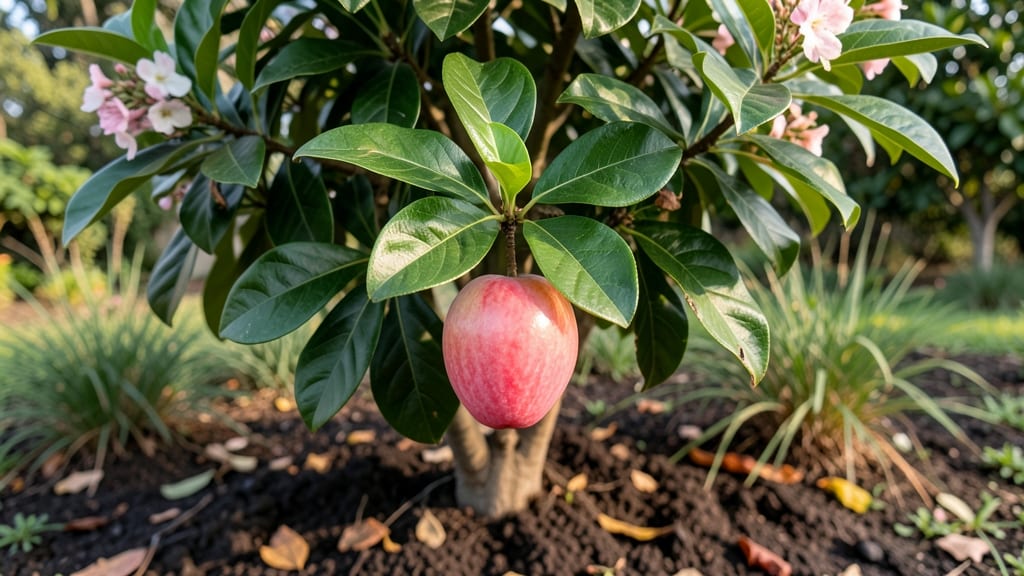
Growing water apple fruit means tropical treats with almost no fuss. 🌿 This fast-growing vine thrives in heat and humidity, producing sweet, juicy fruit that tastes like a mix of pear and apple—once you get past the fuzzy skin.
My first harvest last summer was so unexpected, I kept checking the vines to believe it was really happening.
The secret to success is simple: well-draining soil, morning sun, and plenty of water—but no soggy roots. Water apple vines grow aggressively in zones 10-12, but even in containers, they reward patience with 2-3 foot vines producing fruit within 12-18 months.
The real magic happens when you let them climb a trellis or fence, where they spread their glossy leaves like a living canopy.
You’ll know it’s working when the small white flowers appear in spring, followed by those fuzzy green fruits that ripen to golden-yellow. One vine can produce dozens of fruits per season, and the taste—crisp, refreshing, and subtly floral—makes every bit of effort worth it.
The only challenge? Keeping squirrels from stealing them before you do.
Perfect for backyard tropical oases, containers on patios, or even as a striking houseplant in cooler climates. Here’s how to turn that seed into a fruit-bearing vine—without the usual tropical plant drama.
📚 In This Guide
- What you need
- Instructions
- Tips and common mistakes
- Wrapping up and next steps
What you need
- ● Water apple seeds or saplings: 1-3 (fresh seeds germinate best; saplings speed up growth).
- ● Well-draining potting mix: 5-10 gallons (blend 60% coconut coir, 20% perlite, and 20% compost).
- ○ Large pots or containers: 2-3 (12"+ diameter, with drainage holes). Optional: Fabric grow bags for better aeration.
- ● Slow-release fertilizer: 1 bag (balanced 10-10-10 or organic options like worm castings).
- ● Misting spray bottle: 1 (for humidity control).
- ● Pruning shears: 1 (sterilized, for shaping the vine).
- ● Support structure: 1 (trellis, bamboo stakes, or wire mesh for climbing).
- ● Warm climate or greenhouse: Water apples thrive in USDA Zones 10-12 (65–85°F year-round). Indoors? Use grow lights (12+ hours/day).
- ● High humidity: 60–80% (use a humidifier or pebble tray if indoor).
- ● Bright, indirect light: 6+ hours of sunlight daily (avoid harsh midday sun).
- ● Watering routine: Keep soil consistently moist but not soggy (water when top 1" is dry).
- ● Patience: Seeds take 4–6 months to sprout; saplings bear fruit in 2–3 years.
- ● pH test kit (ideal soil pH: 5.5–6.5).
- ● Epsom salt (for magnesium boosts, 1 tbsp/month).
- ● Pollination aid (soft paintbrush to hand-pollinate flowers if indoors).
- ● Compost tea (for nutrient-rich watering).
Instructions for growing water apple fruit vines
Here's how to cultivate this tropical vine—it's easier than you think with the right approach.
🌱 Step 1: Select and Prepare the Right Container
Water apple fruit vines thrive in 10-15 gallon containers with drainage holes—they hate soggy roots. I use unglazed terra cotta pots because they wick away excess moisture naturally. Fill the bottom third with 3-4 inches of gravel or broken pottery to create a drainage layer that prevents root rot.
Next, add a 2-3 inch layer of perlite or coarse sand on top of the gravel. This ensures water flows freely while allowing roots to breathe. The vine’s native tropical environment demands excellent drainage—if you skip this, the roots will suffocate within weeks. Use the 10 gallons of potting mix specified, blending it with 1 cup of orchid bark for aeration.
☀️ Step 2: Plant and Position for Optimal Growth
Place your water apple cutting or young plant in the center of the container, ensuring the root ball sits just below the soil surface—never bury the stem. Gently firm the potting mix around the roots to eliminate air pockets, then water thoroughly until it drains freely from the bottom. The vine needs bright, indirect light—think morning sun with afternoon shade—so position it near an east-facing window or under a 5000K LED grow light for 12-14 hours daily.
If you notice the leaves yellowing or stretching toward the light, your vine is reaching for more intensity. Move it closer to the light source or increase the grow light’s duration by 1 hour. Water apple vines are sensitive to cold drafts, so keep them in a space where temperatures stay above 65°F—any cooler, and growth slows dramatically.
💧 Step 3: Water and Fertilize for Tropical Conditions
Water your vine when the top 1-2 inches of soil feel dry to the touch. Stick your finger in—if it’s damp past your first knuckle, wait another day. Overwatering is the #1 killer of water apple vines, so never let it sit in saucers of standing water. Instead, water deeply until it drains from the bottom, then empty the saucer to prevent root rot.
Feed your vine every 4-6 weeks with a balanced liquid fertilizer (10-10-10 or 20-20-20) diluted to half-strength. I mix 1 tablespoon of fertilizer into 1 gallon of water and apply it after watering to avoid salt buildup. Watch for dark green, glossy leaves—that’s your sign the vine is thriving. If the leaves turn yellow with brown edges, you’re over-fertilizing.
✂️ Step 4: Prune and Train for Fruit Production
Prune your vine once in early spring to encourage bushier growth. Cut back any long, leggy stems by one-third just above a leaf node. This triggers branching, which is crucial for fruit production. Remove any dead, yellow, or diseased leaves immediately—they drain energy from the plant and attract pests.
Train the vine along a trellis or sturdy support as it grows. Water apple vines can reach 15-20 feet in ideal conditions, but in containers, they’ll stay more compact. Tie new growth to the trellis with soft plant ties every 4-6 inches to prevent breakage. When you see small white flowers appear in spring, reduce watering slightly—this signals the vine is ready to fruit.
🍎 Step 5: Harvest and Encourage Repeat Blooming
Water apple fruit ripens in 6-8 months after flowering, depending on your climate. The fruit starts green and turns pale yellow or pink when ripe—never wait for it to fall off the vine. Gently twist the fruit until it separates cleanly from the stem. If it resists, use clean pruning shears to avoid damaging the vine.
After harvesting, prune any spent flowers to redirect the vine’s energy toward new growth. Feed with a high-phosphorus fertilizer (like 5-10-5) to encourage another round of blooms. In tropical climates, water apple vines can produce two harvests per year; in cooler zones, expect one main harvest in late summer or early fall.
Tips & tricks for cultivating thriving water apple fruit vines
These practical insights will help you avoid common pitfalls and maximize your tropical vine's potential.
Container Selection Wisdom: While the instructions specify 10-15 gallon containers, I've found that adding 1-2 extra drainage holes in the sides can dramatically improve air circulation—especially in humid climates. This prevents that musty smell from stagnant moisture that often plagues tropical plants. For extra insurance against root rot, consider using plastic grow pots inside your decorative container, creating a removable growing system that makes repotting easier. The key is mimicking the vine's natural habitat where water flows freely through porous volcanic soil.
Light Management Breakthrough: The 12-14 hours of daily light is non-negotiable, but here's what nobody tells you about positioning: In summer months when daylight exceeds 14 hours, use a lightproof box or timer to block light during the hottest afternoon hours (2-4 PM). This prevents leaf scorch while maintaining the required light exposure. I've seen vines with crispy edges from direct midday sun, even when placed near east-facing windows. For indoor growers, rotate your plant quarter-turn weekly to ensure even growth—water apple vines grow toward the light source aggressively.
Fertilizer Application Strategy: The 4-6 week feeding schedule works perfectly, but timing matters more than most realize. Always fertilize in the early morning hours when the plant's stomata are open, allowing maximum nutrient absorption. I've noticed a significant difference in leaf color when applying fertilizer at noon versus morning—midday heat can actually burn the roots when combined with fertilizer salts. For organic growers, consider fish emulsion instead of synthetic fertilizers; it provides similar nutrients while improving soil structure over time.
Pruning Precision: When you're cutting back those leggy stems by one-third in early spring, make your cuts at a 45-degree angle just above a leaf node. This creates more surface area for new growth while preventing water from pooling on the cut. I've seen many growers make straight cuts that leave water sitting on the stem, leading to rot. For stubborn vines that refuse to branch, try pinching off the growing tips in late summer—this forces the plant to focus energy on lateral growth rather than vertical stretching.
Pro Tips for Water Apple Fruit
- These practical insights will help you avoid common pitfalls and maximize your tropical vine's potential.
- Container Selection Wisdom: While the instructions specify 10-15 gallon containers, I've found that adding 1-2 extra drainage holes in the sides can dramatically improve air circulation—especially in humid climates.
- This prevents leaf scorch while maintaining the required light exposure.
Frequently asked questions
Got questions about growing and enjoying water apple fruit? You’re not alone—this tropical gem has a few quirks! Here are some of the most common queries to help you cultivate (and savor) this refreshing vine with confidence.
How long does it take for a water apple vine to bear fruit?
A water apple vine typically takes 1–2 years to mature enough to produce fruit, depending on growing conditions. With proper care—like warm temperatures (75–90°F), well-draining soil, and consistent moisture—you might see your first fruits by the second year. Patience is key, but the wait is worth it for those crisp, hydrating slices!
Can I grow water apple in a pot, or does it need a garden?
Water apple thrives in containers as long as the pot is at least 12–18 inches wide with drainage holes. Use a lightweight, well-draining potting mix (like cactus/succulent blend) and place it in a sunny spot. Just be ready to move it indoors if temperatures dip below 50°F—this tropical vine hates cold drafts.
Why aren’t my water apple flowers turning into fruit?
If your vine blooms but drops flowers or produces no fruit, check these common culprits:
- Pollination issues: Hand-pollinate with a soft brush if bees aren’t visiting.
- Nutrient deficiency: Feed with a balanced fertilizer (10-10-10) every 4–6 weeks.
- Temperature stress: Ensure consistent warmth (below 60°F or above 95°F can halt fruiting).
- Overwatering: Root rot can stunt growth—let soil dry slightly between waterings.
How do I know when water apple fruit is ripe and ready to eat?
Ripe water apple fruit turns yellow-green (not fully yellow) and feels slightly soft when gently squeezed. The skin may also develop a faint waxy sheen. For the best flavor, harvest when the fruit is firm but yields slightly to pressure. Unripe fruit is bland; overripe fruit gets mushy—aim for that just-right balance!
What’s a good alternative if water apple doesn’t grow well in my climate?
If your zone is too cold for water apple (USDA zones 10–11), try these similar tropical fruits that thrive in containers:
- Soursop (Annona muricata) – Creamy, tangy flesh; loves humidity.
- Sugar apple (Annona squamosa) – Sweeter, custard-like texture; more cold-tolerant.
- Passion fruit (Passiflora edulis) – Hardy and prolific; great for small spaces.
Wrapping up and next steps
Growing a water apple fruit (or soursop) is a rewarding journey that brings luscious tropical flavors to your table with surprisingly little effort! 🌿 Whether you're a seasoned gardener or just starting, this hardy vine thrives in warmth and humidity—making it perfect for tropical and subtropical climates.
With the right spot, minimal pruning, and patience, you’ll soon enjoy its fragrant, creamy fruit.
Ready to take the next step? Start with a healthy cutting or seedling and give it the love it deserves—soon, you’ll be harvesting your own homegrown water apples! 🍈✨