
Trees
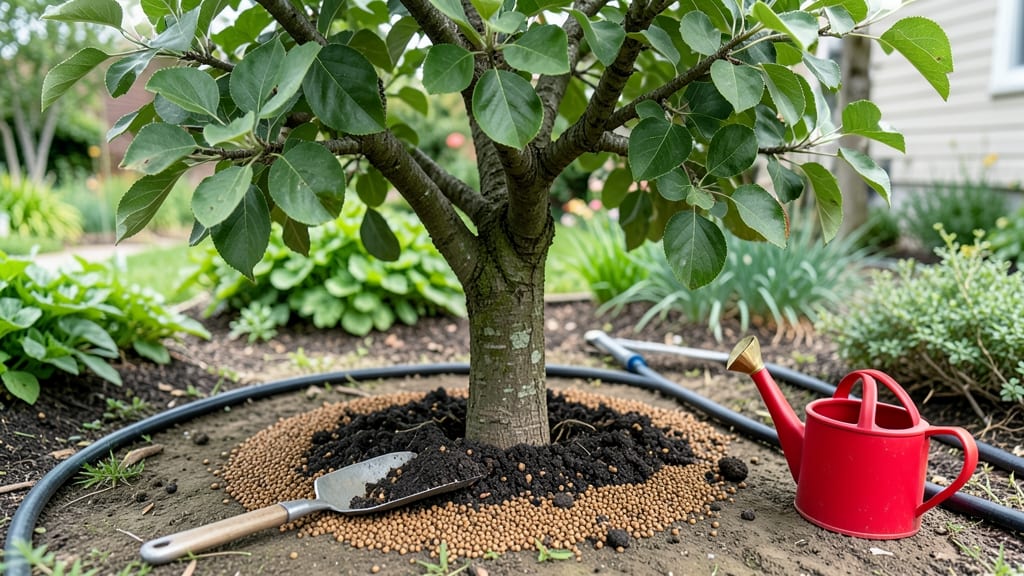
The best time to fertilize fruit trees is in early spring and again in late spring—just as buds swell and leaves emerge—when your 🍎 needs a nutrient boost to fuel its most critical growth phase.
Picture this: You’ve spent months tending to your fruit tree, only to watch it struggle with weak branches or sparse fruit. The issue isn’t always water or pests—it’s often poor timing on fertilization.
Too early, and you risk burning delicate roots; too late, and you miss the window for peak harvest potential.
This seasonal schedule isn’t just about throwing fertilizer on the ground. It’s about syncing nutrients with your tree’s natural rhythm—whether it’s an apple tree in Zone 6a or a peach tree in a warmer climate.
We’ll break down the exact months, the signs your tree is hungry (or overfed), and how to adjust for regional differences.
By the end, you’ll know not just when to fertilize, but how much, what type, and even how to read your tree’s leaves for clues. No more guesswork—just stronger roots, bigger blooms, and a harvest that puts your neighbors’ trees to shame.

Optimal fertilization timeline by fruit tree type and climate zone
Fertilizing your fruit trees at the right time is like giving them a perfectly timed energy boost—too early or late, and you risk stunted growth or wasted nutrients.
The best time to fertilize depends on your climate zone, tree type (citrus, apple, peach), and whether your tree is young or mature.
In temperate zones, like USDA Zones 5-8, timing aligns with seasonal growth cycles, while tropical climates (Zones 9-11) allow for year-round adjustments with fewer dormant periods.
For young fruit trees (under 3 years old), focus on root development and early spring fertilization to support rapid growth.
Mature trees, on the other hand, benefit from light feedings during fruit production phases. Citrus trees, for example, thrive with 4-6 monthly feedings in warm climates, while apple trees in cooler regions need 2-3 targeted applications per year. Let’s break down the science-backed schedule to maximize your harvest.
🌱
In temperate climates, your early spring fertilization (right after last frost) kickstarts growth, while late spring feedings support flowering and fruit set.
For apple and peach trees, a high-nitrogen fertilizer in late spring encourages lush foliage, but switch to balanced NPK (like 10-10-10) in summer to support fruit development. Citrus trees in tropical zones, however, benefit from monthly light feedings year-round, with a focus on potassium during fruiting phases to prevent blossom end rot.
Young trees (under 3 years old) need gentler, frequent feedings—think 1 cup of slow-release organic fertilizer every 6-8 weeks—to build strong roots. Mature trees, on the other hand, can handle heavier applications
Signs your fruit trees need fertilizer (and when to avoid it)
Your fruit trees communicate their needs through subtle (and sometimes obvious) clues—yellowing leaves, stunted branches, or sparse blooms. These visual cues often signal nutrient deficiencies or over-fertilization, both of which can derail your harvest. Recognizing these signs early helps you adjust your fertilization schedule before problems become irreversible.
For example, pale yellow leaves with green veins typically indicate a nitrogen deficiency, while purple stems or reddish foliage often point to a lack of phosphorus.
Meanwhile, leaf burn or crispy edges are classic signs of over-fertilization, especially if you’ve applied too much synthetic fertilizer during hot weather. Understanding these signals ensures you’re feeding your trees—not overloading them.
Never fertilize during active blooming or fruit set—this can cause excessive vegetative growth at the expense of fruit production. For most fruit trees, early spring (just before buds swell) and late summer (after harvest) are the optimal windows. Avoid fertilizing 6–8 weeks before first frost to prevent tender new growth from winter damage.
Another key indicator is branch growth. Healthy fruit trees should show steady, balanced growth with a mix of new shoots and mature wood. If your tree’s branches are thin, weak, or dying back, it may need a phosphorus-rich fertilizer to support root and flower development.
Conversely, if branches are growing too fast with soft, spindly wood, you’re likely overdoing the nitrogen, which can lead to poor fruit quality and increased pest susceptibility.
Don’t ignore fruit development either. Small, misshapen, or poorly colored fruit often stems from nutrient imbalances, particularly a lack of potassium or calcium. For instance, blossom end rot in tomatoes (or similar issues in peaches and apples) is a classic sign of calcium deficiency.
In these cases, a balanced fertilizer with micronutrients or a targeted calcium supplement can restore health.
Timing matters just as much as what you fertilize with. For example, young fruit trees (under 3 years old) need gentler, frequent feedings to build root systems, while mature trees can handle heavier applications in early spring.
Always water deeply after fertilizing to help nutrients reach the roots, and mulch around the base to retain moisture and regulate soil temperature.
If you’re unsure whether your tree needs fertilizer, perform a simple soil test in early spring. This will reveal pH levels and nutrient deficiencies so you can tailor your approach.
For instance, acid-loving trees like blueberries or citrus need lower pH soils, while stone fruits like peaches thrive in slightly alkaline conditions. Adjusting your fertilizer type based on these results can save you time and money in the long run.