
Pests and Diseases
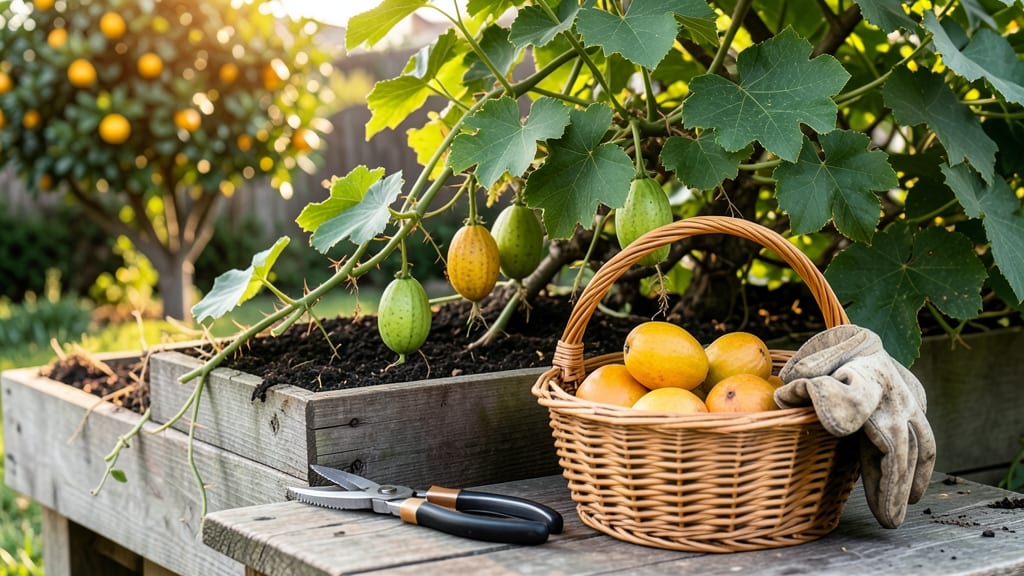
Passionfruit is ripe when its skin shifts from green to vibrant yellow or deep purple 🍈—but timing this perfectly means the difference between sweet, juicy perfection and a mealy mess.
Picking too early gives you bitter, seedy disappointment, while waiting too long turns the fruit into a mushy pulp. The good news? With just five simple visual cues, you can tell exactly when to harvest for peak flavor.
Look for a fully colored fruit that yields slightly when gently squeezed, a sweet aroma wafting from the skin, and a stem that pulls away easily. These signs—plus variety-specific tricks—ensure you never miss the window.
Below, I break down the exact ripeness cues, how to test without damaging the fruit, and what to do if you’ve already harvested too early (or too late). Your next batch will be sweeter than ever.


5 Visual signs your passionfruit is perfectly ripe (with photos)
Nothing beats the thrill of harvesting your own passionfruit—but timing is everything. A passionfruit picked too early tastes bitter and seedy, while overripe fruit turns mushy and loses flavor. The key lies in these 5 visual ripeness cues that guarantee peak sweetness and texture.
Whether you're growing tropical yellow varieties or deep purple passionfruit, these signs apply to both.
First, let's address the biggest mistake gardeners make: assuming all passionfruit ripen the same way. Color changes are your first clue, but texture and scent play equally important roles. For example, a purple passionfruit might look ripe but feel underdeveloped, while a yellow one could be overripe if ignored.
Mastering these visual signals ensures you never miss the perfect harvest window.
🌱 5 Visual Signs of Perfectly Ripe Passionfruit
-
🟡/🟣 Fully Developed Color
Yellow varieties turn deep golden yellow while purple types develop rich purple or maroon hues. Avoid fruits with green patches—they're not ready yet. -
🤏 Slightly Soft Texture
Gently press the fruit—it should yield slightly like a ripe avocado but not feel mushy. A hard passionfruit is unripe; a too-soft one is overripe. -
👃 Sweet, Floral Aroma
Hold the fruit near your nose—ripe passionfruit emits a fragrant, sweet scent. No smell? It's not ready. A fermented odor means it's past its prime. -
🌡️ Warmth to the Touch
Ripe fruit feels slightly warmer than unripe ones due to internal sugar development. Compare a ripe and unripe fruit—you'll notice the difference instantly. -
🌿 Stem Separation
The fruit should detach easily from the vine when twisted gently. If it resists, it's not fully ripe; if it falls apart, it's overripe.
Let's break down the most critical sign: color changes. For yellow passionfruit, the shift from green to golden signals ripeness, but don't stop there. The skin should also develop a slight sheen, almost like a waxy finish.
Purple varieties, like the Granadilla, turn deep maroon or purple-black—never stop at light purple. Pro tip: Check the blossom end (where the flower was) first—it often changes color before the rest of the fruit.
Texture is where many gardeners go wrong. A ripe passionfruit should feel slightly firm but yielding—imagine pressing a ripe peach. If you leave a faint thumbprint when you press, it's ready. But if the skin springs back immediately, it's still hard and unripe.
Overripe fruit will dent deeply or feel mushy when squeezed. Remember, passionfruit don't ripen further after picking, so timing is crucial.
Your nose is your best tool for scent detection. A ripe passionfruit releases a sweet, floral aroma that's unmistakable once you know what to look for. Think of it like the smell of a tropical breeze mixed with honey.
If you can't detect any scent, the fruit needs more time on the vine. And if you catch a fermented or alcoholic smell, it's past its peak and best used immediately or composted.
Seasonal timing matters too. In USDA Zone 6a, passionfruit typically ripen between August and October, depending on your planting date. Early varieties might start as soon as July, while late-season vines can produce until November.
Always harvest in the morning when temperatures are cooler—this helps preserve flavor and texture. Store ripe passionfruit in the fridge for up to 5 days if you can't use them immediately.
Here's a pro tip I learned after my first failed harvest: don't wait for every fruit to ripen at once. Passionfruit ripen asynchronously, meaning some may be ready while others need weeks more.
Check your vines weekly once fruits start changing color. Use a harvest basket lined with paper towels to catch any that fall prematurely—this prevents bruising and extends shelf life.
For those growing purple passionfruit, pay extra attention to the fruit's shape. Ripe Granadilla varieties develop a slightly oblong shape with smooth, unblemished skin. Any wrinkling or soft spots indicate overripeness.
Yellow varieties, on the other hand, should be rounder and plumper, almost like a small melon. Always compare fruits side by side—visual differences become obvious once you know what to look for.
Finally, let's address a common question: what if my passionfruit never ripens? Several factors could be at play. First, check your vine's sunlight exposure—passionfruit need 6+ hours of direct sun daily. Second, ensure you're fertilizing with a balanced 5-10-10 NPK during the growing season.
And third, consider your climate—some regions simply don't get warm enough for full ripening. In these cases, you might need to harvest early and ripen indoors with a paper bag method (place the fruit in a bag with a ripe banana for 2-3 days).
How to test passionfruit ripeness without cutting it open
Passionfruit vines produce fruit that ripens quickly, making it tricky to judge ripeness without damaging the fruit. The good news? You can test passionfruit ripeness using simple, non-destructive methods that protect your harvest.
These techniques help you avoid underripe (tart and seedy) or overripe (mushy and fermented) fruit. Let’s explore the best ways to check ripeness without cutting open a single fruit.
First, focus on the fruit’s texture and weight. A ripe passionfruit should feel slightly soft but still firm—like a ripe avocado. If it feels too hard, it’s not ready yet.
If it feels mushy or squishy, it’s past its prime. This gentle squeeze test is your first clue, but don’t press too hard to avoid bruising the fruit.
Next, inspect the stem attachment. When passionfruit is ripe, the stem near the fruit will start to dry out and shrink slightly. Gently wiggle the fruit—if it detaches easily from the vine, it’s ready to pick.
This stem separation check is a foolproof way to confirm ripeness without harming the fruit.
⚠️ WARNING: Overripe Passionfruit Pitfalls Overripe passionfruit can be a gardener’s nightmare—fermented, seedy, and inedible.
Here’s how to spot the warning signs before it’s too late: - Skin color: Deep purple (purple varieties) or dark yellow (tropical varieties) with dark spots or bruising. - Scent: A fermented or sour smell instead of sweet and floral. - Texture: The fruit feels mushy or leaks liquid when squeezed. - Stem: The stem may fall off easily but the fruit itself is soft and squishy. Action: Harvest only when the fruit is firm, fragrant, and detaches with gentle tugging.
Never wait until the stem falls off naturally—this means the fruit is overripe!
Weighing the fruit can also give you clues about ripeness. A ripe passionfruit should feel heavier for its size due to the fully developed pulp inside. Compare it to nearby fruits—if it’s noticeably lighter, it’s likely underripe. This weight analysis works best when comparing multiple fruits on the same vine.
Finally, trust your nose. A ripe passionfruit emits a sweet, floral aroma near the stem end. If you can’t smell anything, the fruit isn’t ready yet.
This scent test is especially useful for tropical passionfruit varieties, which often ripen to a bright yellow color but may not show obvious external changes.
By combining these non-destructive tests—squeeze, stem check, weight, and scent—you’ll never miss the perfect harvest window again. Happy picking! 🍈