
Trees
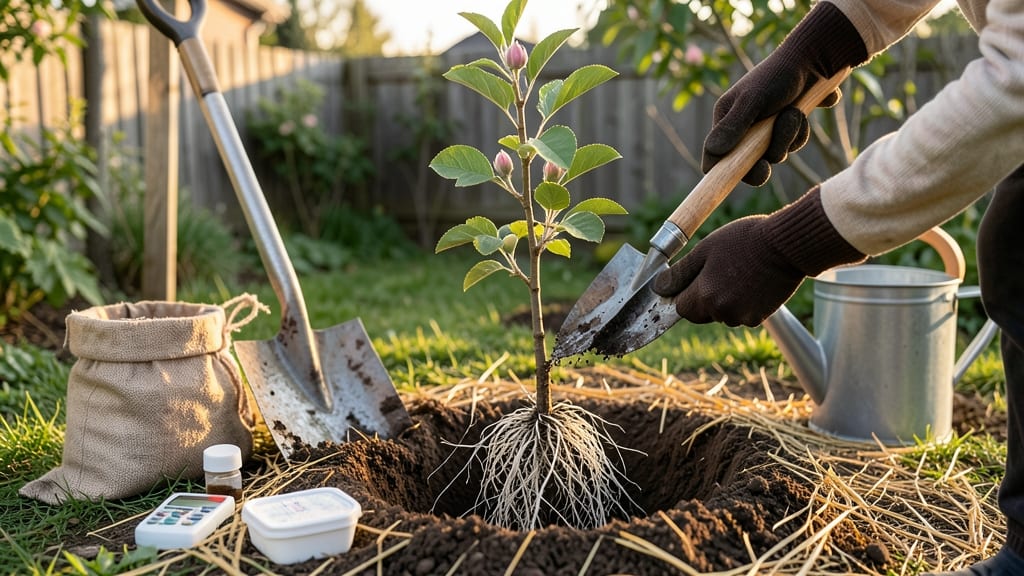
Planting fruit trees in Massachusetts at the right time 🍎 is the difference between a thriving orchard and years of disappointment.
Massachusetts gardeners know timing is everything—plant fruit trees too early, and frost will stunt growth; too late, and roots won’t establish before winter. Get the perfect window for USDA Zones 5-6, where cold-hardy varieties like apples, pears, and cherries thrive when planted just right.
Early spring (April–May) and early fall (September–October) are your best bets, but the choice depends on whether you’re planting bare-root saplings or container-grown trees. A wrong move here can leave your young trees vulnerable to winter kill or summer stress.
Below, I break down the exact months to plant by variety, how to prep your soil for maximum root growth, and the one mistake that ruins even the best timing. Let’s get those trees in the ground the right way.
Best planting months for fruit trees in Massachusetts by variety
Massachusetts gardeners face a delicate balance when planting fruit trees—timing directly impacts survival and fruit production. In USDA Zones 5b-6b, our short growing season means planting too early risks frost damage, while late planting delays root establishment.
The ideal window depends on your tree type, with apples, pears, and cherries each having unique dormancy needs.
For bare-root fruit trees, the best months are early spring (April-May) or early fall (September-October). Container-grown trees offer more flexibility but still benefit from cooler soil temperatures. Let’s break down the perfect planting schedule by variety to maximize your orchard’s success.
Spring planting (April-May) gives roots time to establish before summer heat, while fall planting (September-October) allows trees to root before winter dormancy. Sweet cherries are the most frost-sensitive—plant them in late April or early May when frost risk drops significantly.
For container-grown trees, you can plant as late as June (though growth may slow), but bare-root trees planted after May 15th risk transplant shock. Always check your local last frost date—most of Massachusetts sees frost until mid-April, but coastal areas warm earlier.
Soil temperature is critical—roots need 45°F+ soil to grow. Use a soil thermometer to confirm before planting. In Zone 5b, aim for late April; in Zone 6b, early April may work for hardy varieties.
Fall planting (September-October) works best for apples, pears, and tart cherries. The key is to plant 6-8 weeks before first frost—typically mid-September in western MA and early October in coastal areas. This gives roots time to establish before winter.
If you miss the ideal window, container-grown trees can be planted in June or August, but expect slower initial growth. For bare-root trees, never plant after July—they’ll struggle to recover before winter. Mulch heavily after planting to protect roots from temperature swings.
Pro tip: Acid-loving varieties like blueberries (yes, they’re fruit trees!) need soil pH 4.5-5.5. Test your soil before planting—apples and pears prefer pH 6.0-6.5. Adjust with sulfur or lime as needed to avoid nutrient lockout.
Remember: Dwarf varieties establish faster than standard trees, making them ideal for smaller spaces or container growing. Space them 8-12 feet apart, while standard trees need 20-40 feet of room to thrive. Planting too close leads to crow
How to adjust planting time for bare-root vs. container-grown fruit trees
Planting fruit trees in Massachusetts requires understanding the root establishment needs of each type. Bare-root trees have exposed roots and need urgent planting, while container-grown trees offer more flexibility.
The key difference lies in how roots handle transplant shock and soil integration—bare-root trees must be planted when dormant, while container-grown trees can adapt to warmer soil.
For bare-root fruit trees, the ideal window is early spring (April) or early fall (September-October). This timing aligns with dormancy periods, allowing roots to establish before winter or summer stress.
In contrast, container-grown trees can be planted from late spring through early fall (May-September), as their roots are already in soil, reducing shock.
Soil preparation is equally critical. For bare-root trees, amend the soil with compost and organic matter to improve drainage and nutrient availability. For container-grown trees, loosen the soil to minimize root circling and add a mulch layer to retain moisture.
Both types benefit from a well-draining, slightly acidic soil (pH 6.0-7.0) for optimal growth.
Bare-Root vs. Container-Grown Fruit Trees: Planting Time Comparison
- ✅ Best for: Dormant planting
- ✅ Ideal months: April, September-October
- ✅ Root advantage: Faster establishment in cool soil
- ✅ Soil prep: Loosen soil deeply
- ✅ Best for: Extended planting season
- ✅ Ideal months: May-September
- ✅ Root advantage: Less transplant shock
- ✅ Soil prep: Prune circling roots
- ❌ Late planting: Roots won’t harden before winter
- ❌ Dry soil: Roots desiccate quickly
- ❌ Poor soil: Slow growth due to compaction
- ❌ Root circling: Strangles growth if unpruned
- ❌ Late fall planting: Weak root system for winter
- ❌ Overwatered pots: Roots rot before transplant
When planting bare-root trees, soak the roots in water for 1-2 hours before planting to rehydrate them. For container-grown trees, gently remove excess soil from the root ball to encourage outward growth.
Both types should be planted at the same depth as their previous growing level—burying too deep can suffocate roots, while planting too shallow exposes them to drying.
After planting, water deeply to eliminate air pockets and keep the soil moist for the first 4-6 weeks. For bare-root trees, apply a 3-inch mulch layer to protect roots from temperature swings.
Container-grown trees benefit from a slow-release fertilizer to support early growth, while bare-root trees should wait until spring for feeding.
Remember, Massachusetts’ frost dates (mid-April and mid-October) are your guide. Plant bare-root trees at least 4-6 weeks before frost to ensure roots establish, while container-grown trees can handle slightly later planting due to their established root systems.
With the right timing and care, your fruit trees will thrive in USDA Zones 5-6 for decades of harvests. 🌳